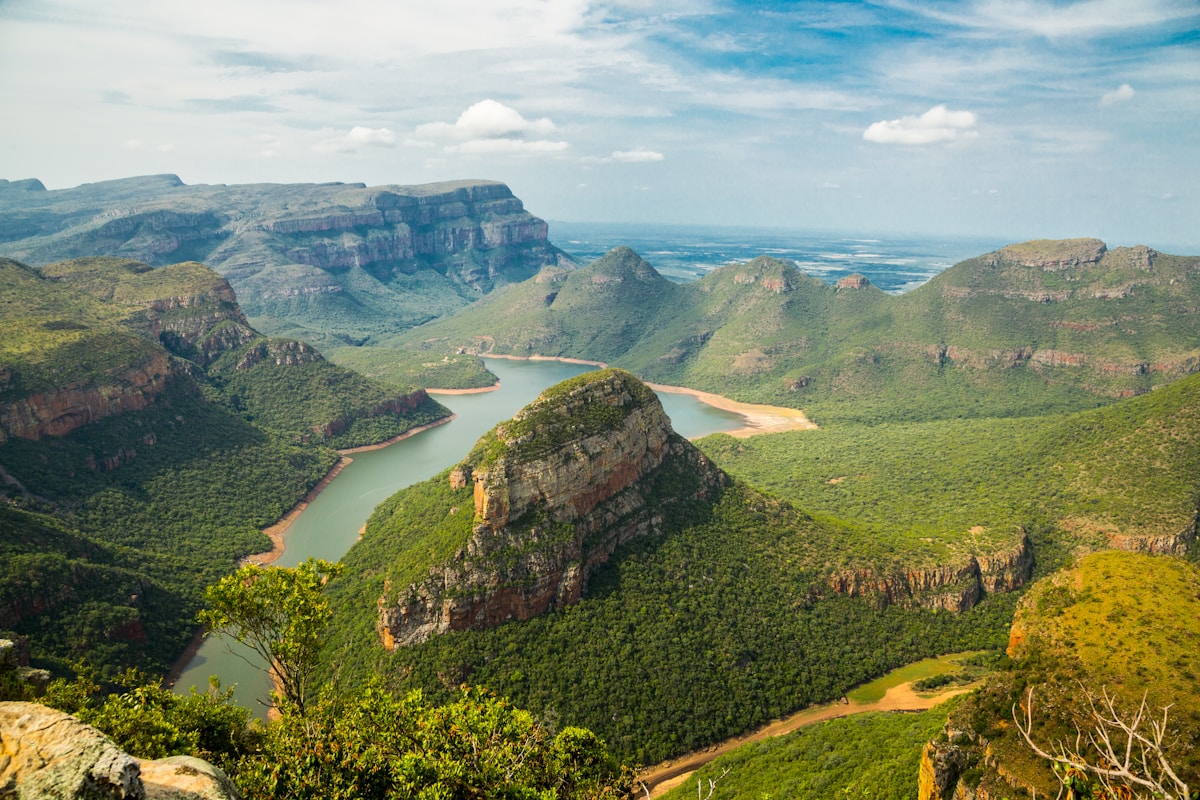
President Lai Ching-te visited a flagship Taiwanese industrial and oil reserve park project in Africa this week, marking Taipei's continued efforts to expand economic diplomacy amid sustained diplomatic pressure from Beijing.
The visit, documented on social media and reported by Taiwanese outlets, comes as Taiwan maintains formal diplomatic relations with only 12 countries worldwide, down from 15 just five years ago. Of those remaining allies, only one is in Africa: Eswatini, the small landlocked kingdom in southern Africa that has resisted Beijing's overtures to switch recognition.
Economic Diplomacy as Statecraft
The industrial park represents a strategic shift in Taiwan's diplomatic toolkit. Unable to compete with China's vast Belt and Road Initiative funding, Taipei has focused on targeted industrial partnerships that leverage Taiwan's manufacturing expertise, particularly in semiconductors, petrochemicals, and precision manufacturing.
"Watch what they do, not what they say. In East Asian diplomacy, the subtext is the text," as veteran observers note. President Lai's visit is less about ribbon-cutting and more about signaling Taiwan's long-term commitment to its remaining African partner.
The oil reserve component of the project carries particular strategic weight. Taiwan, which imports 98% of its energy needs, has prioritized energy security as a national security imperative. Establishing strategic reserves in friendly territories diversifies risk beyond the island's vulnerable domestic storage facilities.
Beijing's Shadow Over Africa
China has systematically courted Taiwan's African allies over the past two decades. In 2018, Burkina Faso and 's neighbor, the , both severed ties with in favor of . Most recently, switched recognition in 2021, and followed in 2023.