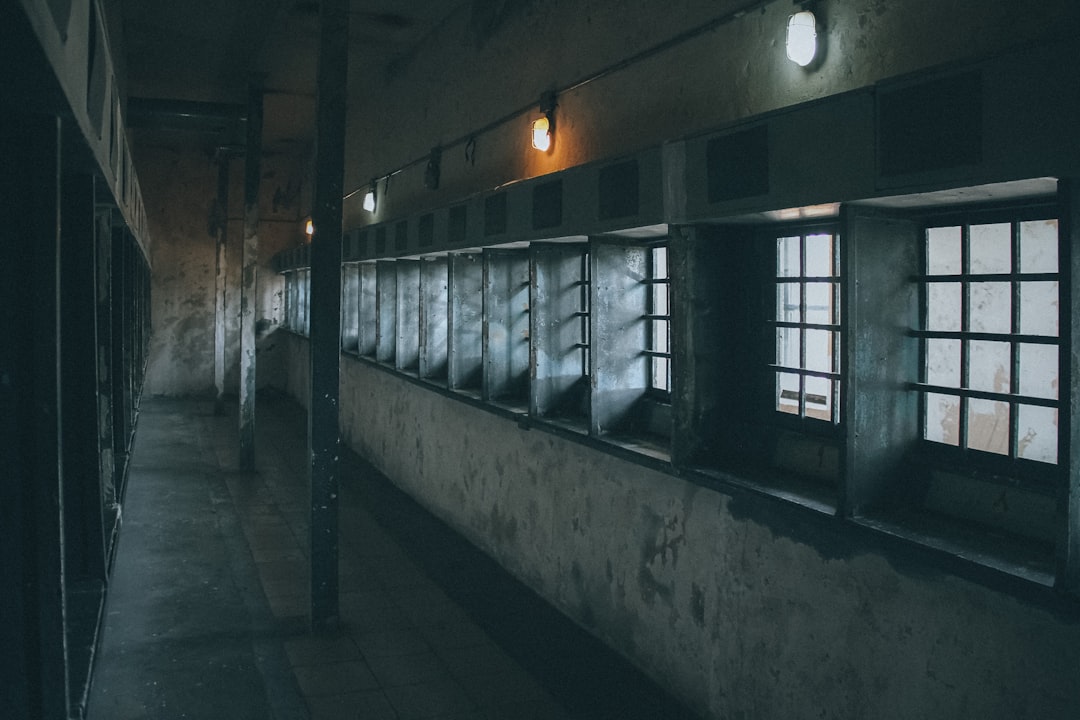
Nobel Peace Prize laureate Narges Mohammadi remains in critical condition in an Iranian prison as authorities continue to deny her adequate medical treatment, according to her foundation and international human rights organizations.Mohammadi, awarded the 2023 Nobel Peace Prize for her decades-long campaign against oppression of women in Iran, has been imprisoned multiple times for her activism. Reuters reports that her deteriorating health has sparked urgent calls from the international community for her release on humanitarian grounds.The 52-year-old activist reportedly requires specialized cardiac care and treatment for other conditions exacerbated by harsh prison conditions. Her family and the Narges Mohammadi Foundation say Iranian authorities have blocked her transfer to civilian hospitals where she could receive proper treatment.The denial of medical care represents a familiar pattern in Iran's treatment of political prisoners. To understand today's headlines, we must look at yesterday's decisions—Tehran has long used medical neglect as a tool of pressure against dissidents, calculating that international outcry will eventually fade while imprisoned activists suffer in silence.Mohammadi's case gained global prominence when she was awarded the Nobel Prize while incarcerated in Tehran's notorious Evin Prison. Her daughter and son accepted the award on her behalf in Oslo, delivering a speech she had smuggled out of prison calling for continued resistance to authoritarian rule.The timing of her medical crisis is particularly acute given ongoing tensions between Iran and Western nations. Some observers suggest Iranian authorities may be using Mohammadi's health as implicit leverage in broader diplomatic confrontations, though officials deny any connection.International pressure has intensified in recent days. The Norwegian Nobel Committee, which awarded Mohammadi the prize, issued a rare statement expressing grave concern. The European Union's foreign policy chief called for her immediate release and access to medical care, while human rights groups have launched coordinated campaigns demanding action.Yet such appeals have yielded few results in the past. Iran has demonstrated consistent willingness to endure international criticism over human rights abuses, viewing Western pressure as interference in domestic affairs. The regime appears to calculate that economic and security concerns will ultimately prevent meaningful consequences.Mohammadi's imprisonment has become emblematic of Iran's broader crackdown on dissent, particularly following the "Woman, Life, Freedom" protests that erupted in 2022 after the death of Mahsa Amini in police custody. Thousands remain detained for participating in or supporting those demonstrations.
|