
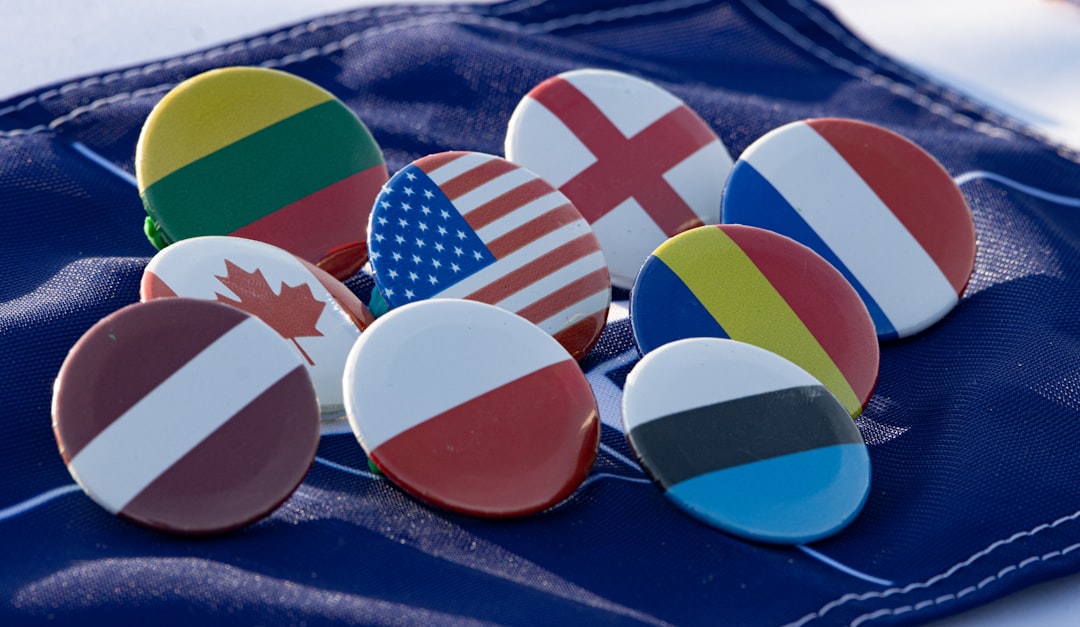
Canada will participate in the European Political Community summit as the first non-European nation, marking a significant expansion of the forum as Prime Minister Mark Carney seeks to build alliances amid strained relations with the United States.The invitation, reported by The Guardian, reflects European interest in deepening ties with like-minded democracies beyond the continent's geographic boundaries. The summit, being held in Armenia, brings together leaders from across Europe to discuss security, economic cooperation, and shared challenges.Carney, who became Canada's prime minister earlier this year, has prioritized diversifying Ottawa's international partnerships as uncertainty grows over American reliability under President Donald Trump. The move signals a potential reorientation of Canadian foreign policy toward greater engagement with Europe.To understand today's headlines, we must look at yesterday's decisions. Canada has historically oriented its foreign policy around three pillars: the transatlantic alliance, Commonwealth ties, and hemispheric relationships. However, recent American unpredictability has prompted Ottawa to explore new frameworks for international cooperation.The European Political Community, established in 2022, emerged from French President Emmanuel Macron's vision of a broader European forum beyond European Union membership. It includes EU members alongside countries like Norway, Switzerland, United Kingdom, and Turkey—creating a space for coordination without the bureaucratic constraints of formal EU structures.Inviting Canada represents a logical extension of this inclusive approach. Ottawa shares fundamental values with European democracies, maintains deep economic ties through the Comprehensive Economic and Trade Agreement, and contributes to European security through NATO membership and military deployments.Carney, the former Bank of England governor and Bank of Canada head, brings unique credibility in European capitals. His background in international finance and central banking gives him relationships across the continent that few Canadian leaders have enjoyed.The timing is significant. Europe faces potential isolation as American foreign policy becomes more transactional and Asia rises economically. Building partnerships with democratic middle powers like Canada, Australia, and potentially Japan and South Korea offers Europe a way to maintain global influence.For Canada, EPC participation provides insurance against American unreliability. If Washington weakens NATO commitments or imposes punitive trade measures, Ottawa will need alternative security and economic partnerships. The European connection, while not replacing the American relationship, provides options.
|