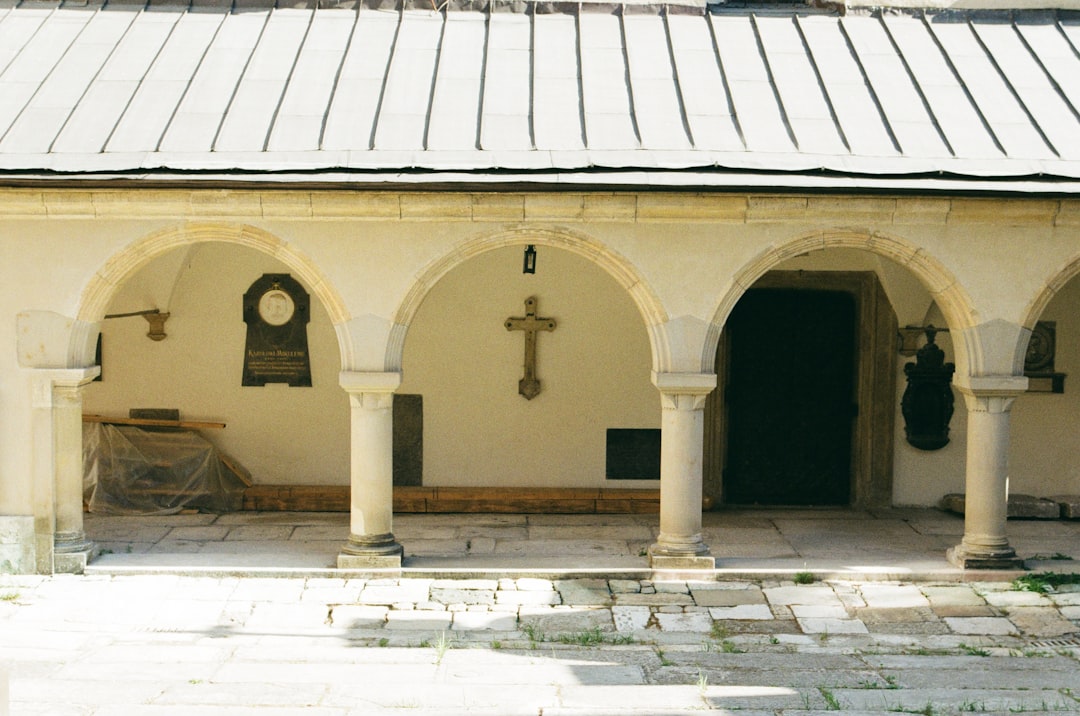
European institutions are mounting a coordinated response after Azerbaijan demolished the historic Armenian Mother Church in Nagorno-Karabakh, an act critics denounce as cultural genocide and a violation of international heritage protection laws.The church, which stood for centuries as a symbol of Armenian Christian heritage in the disputed region, was razed in recent days despite international calls for preservation. The National Catholic Register reports that European officials are exploring sanctions and other measures in response.The demolition represents the latest chapter in a centuries-old conflict over Nagorno-Karabakh, a predominantly ethnic Armenian enclave that was controlled by Armenian forces for nearly three decades before Azerbaijan recaptured it in a lightning offensive in September 2023.To understand today's headlines, we must look at yesterday's decisions. The region has been contested since the collapse of the Soviet Union, with a devastating war from 1988-1994 killing an estimated 30,000 people. Intermittent clashes continued for decades until Azerbaijan's decisive 2020 victory, backed by Turkish military support, which retook most of the territory.The church's destruction follows a pattern that UNESCO and human rights organizations have documented: systematic erasure of Armenian cultural and religious sites in territories now controlled by Baku. Satellite imagery analyzed by heritage preservation groups shows dozens of Armenian churches, monasteries, and cemeteries have been damaged or destroyed since 2020.Azerbaijan denies targeting heritage sites, claiming that some structures were damaged during military operations or have been removed for safety reasons. However, the Mother Church demolition occurred months after hostilities ended, suggesting a deliberate cultural policy rather than collateral damage.European response has been complicated by energy politics. Azerbaijan has positioned itself as a crucial alternative gas supplier to Europe, particularly after the continent reduced dependence on Russian energy. This economic leverage has limited European willingness to impose meaningful consequences.The European Parliament passed a resolution condemning the demolition and calling for targeted sanctions against Azerbaijani officials responsible for cultural destruction. However, actual implementation requires unanimous support from EU member states, where and some others maintain close ties to ., landlocked and diplomatically isolated, has few means to prevent the destruction. The country's traditional security guarantor, , has been distracted by its war in and has proven unwilling or unable to restrain .
|