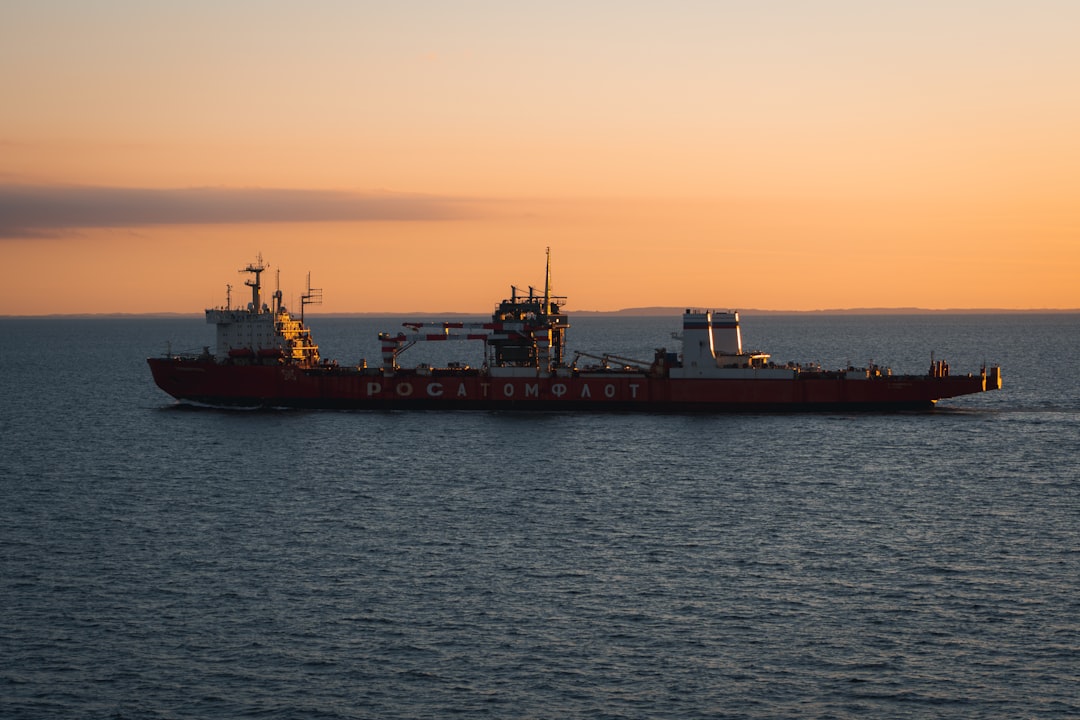

The Philippines and Japan have conducted joint live-fire military exercises for the first time, a significant deepening of security cooperation as both nations navigate increasingly assertive Chinese territorial claims in regional waters.The drills, reported by the Philippine Star, mark a milestone in bilateral defense relations and reflect broader realignment of security partnerships across the Indo-Pacific region.Both nations face direct pressure from Beijing. The Philippines has experienced repeated confrontations with Chinese coast guard vessels near disputed features in the South China Sea, including water cannon attacks on Filipino supply missions. Japan faces similar challenges around the Senkaku Islands, which China claims as the Diaoyu Islands.The live-fire component represents a qualitative escalation from previous cooperation, which focused on humanitarian assistance and disaster relief. Training together with live ammunition signals readiness for potential combat scenarios and demonstrates interoperability between the two forces.To understand today's headlines, we must look at yesterday's decisions. Japan's security posture has evolved dramatically over the past decade. Once restricted by constitutional constraints to a purely defensive military, Tokyo has gradually expanded its forces' capabilities and willingness to operate beyond Japanese territory.The Philippines, meanwhile, has pivoted back toward its treaty ally the United States after years of ambiguity under former President Rodrigo Duterte. Current President Ferdinand Marcos Jr. has embraced closer American security ties while also building partnerships with other regional democracies like Japan and Australia.The exercises come weeks after the Philippines, Japan, Australia, and the United States conducted naval drills in the South China Sea. This emerging "squad" of democratic allies represents an informal coalition working to preserve freedom of navigation against Chinese claims that much of the sea falls under Beijing's jurisdiction.China has condemned the drills as provocative and accused participating nations of forming an "Asian NATO" designed to contain Chinese power. However, officials from all involved countries insist the exercises are defensive in nature and comply with international law.The military cooperation carries economic dimensions as well. Japan is considering arms exports to the Philippines, including radar systems and potentially patrol vessels—transactions that would have been unthinkable a decade ago given Tokyo's post-war restrictions on weapons sales.
|