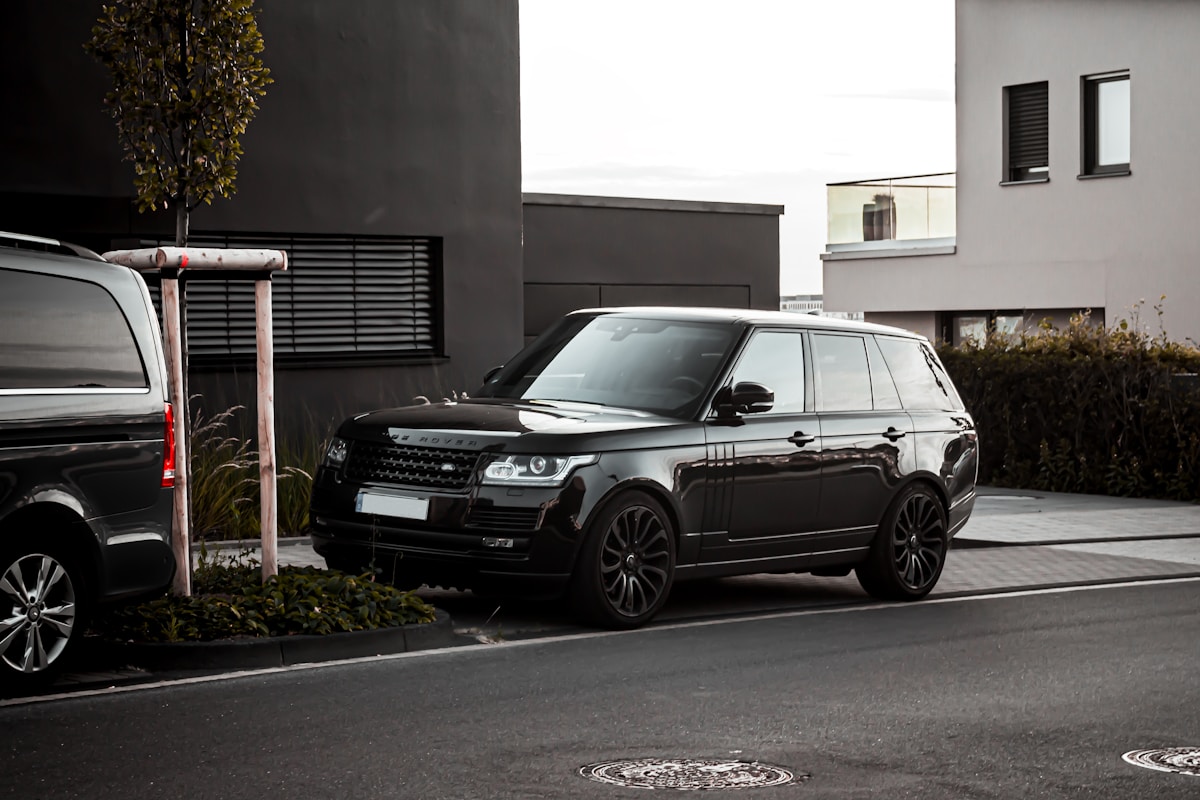
Islamabad—Pakistan Senate Chairman Yousuf Raza Gilani has confirmed the purchase of a Rs 90 million ($1 million) luxury vehicle from the Senate's budget, even as ordinary citizens face severe fuel shortages and new motorway speed restrictions to conserve energy.
The expensive vehicle has already been delivered to the Senate Secretariat, according to sources familiar with the procurement. The purchase comes at a time when Pakistan's government has imposed strict fuel conservation measures, including reducing motorway speed limits from 120 km/h to 100 km/h.
"While we're being fined for driving at normal speeds to save fuel, the Senate chairman gets a million-dollar car," said Ahmed Malik, a businessman who received two motorway challans in a single day under the new speed restrictions. "The hypocrisy is breathtaking."
The new speed limit policy has sparked widespread frustration among motorway users, who question the logic of slowing traffic on highways designed for efficient high-speed travel. Many see the measure as window dressing while government officials continue enjoying luxury perks.
A billion people aren't a statistic—they're a billion stories. For Fatima Noor, a nurse who commutes between Lahore and Islamabad for work, the new speed limits add an hour to her already exhausting journey, while fuel prices continue climbing beyond her budget.
Gilani, who previously served as Pakistan's Prime Minister from 2008 to 2012, defended the purchase as "necessary for the dignity of the office." Senate officials said the vehicle meets security requirements for the chairman's position.
But the timing has amplified public anger over what many Pakistanis see as a ruling class disconnected from ordinary struggles. Pakistan recently secured another bailout package from the International Monetary Fund, which required steep cuts to energy subsidies that have pushed household fuel costs to record highs.