
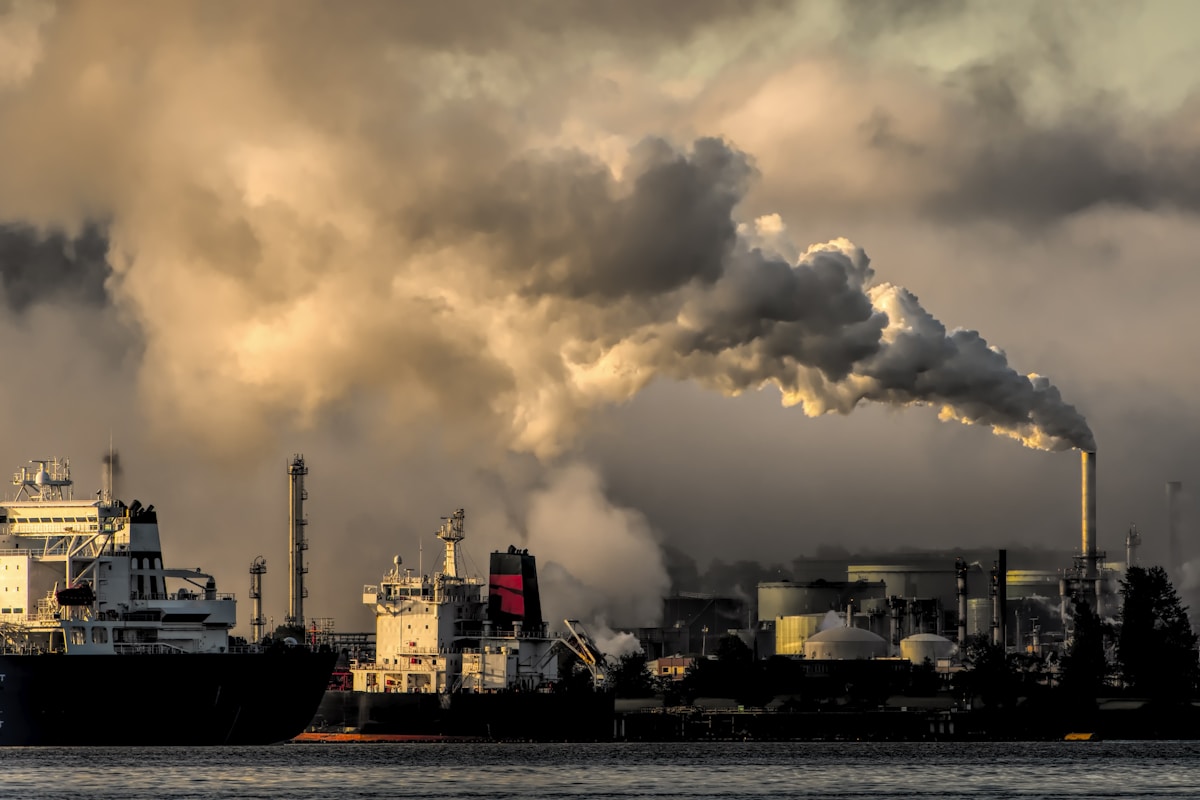
State legislatures across the United States are advancing bills designed to pre-emptively block climate liability lawsuits against fossil fuel companies and other major emitters, representing what legal scholars characterize as the latest front in the battle over who pays for accelerating climate damages.
Legislation introduced in multiple states would prohibit municipalities and state agencies from pursuing legal action seeking compensation for climate-related infrastructure damage, rising sea levels, extreme weather costs, and public health impacts. The coordinated push, detailed in an Ars Technica analysis, follows the template of similar corporate liability shields enacted for other industries facing mass litigation.
"This is accountability prevention masquerading as economic policy," said Ann Carlson, environmental law professor at UCLA. "As climate damages mount into the hundreds of billions annually, these bills essentially socialize the costs while privatizing the profits that created the problem."
The timing proves significant. Cities and states have filed dozens of climate liability lawsuits seeking to recover costs for seawall construction, stormwater infrastructure upgrades, wildfire response, and heat-related public health expenses. Several cases have survived preliminary dismissal motions, with discovery proceedings potentially exposing internal fossil fuel industry documents regarding climate science knowledge and public misinformation campaigns.
Proponents argue the legislation protects jobs and prevents what they characterize as frivolous lawsuits that would raise energy costs. "You can't sue your way to energy security," said State Senator Jim Patterson of Louisiana, sponsor of one such bill. "These cases threaten American energy independence and working families' livelihoods."
In climate policy, as across environmental challenges, urgency must meet solutions—science demands action, but despair achieves nothing. Legal liability represents one mechanism for forcing internalization of climate costs that market prices currently externalize. Economic research demonstrates that when polluters face potential liability, investment patterns shift toward cleaner alternatives faster than policy mandates alone achieve.