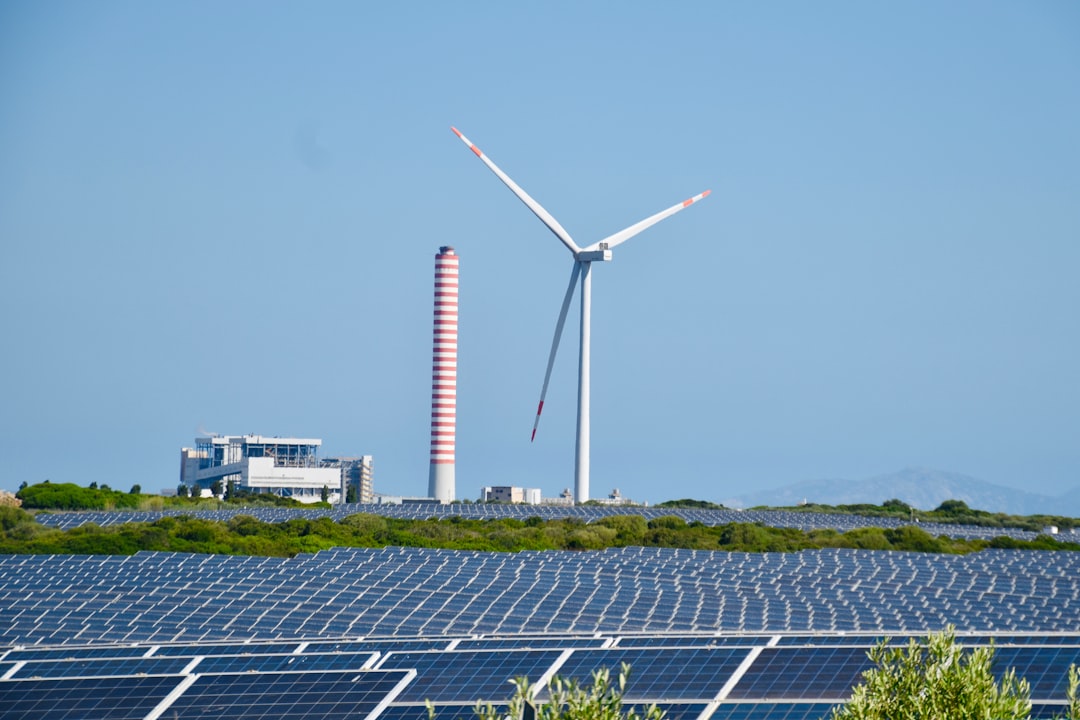
Global renewable energy reached an unprecedented milestone in April 2026, as wind and solar generation surpassed natural gas for the first time in recorded history, according to new data from Ember, the independent energy think tank.
The historic crossover, detailed in Ember's latest analysis, reflects massive clean energy deployment across China, the European Union, and the United States. Combined wind and solar capacity generated approximately 23.5 percent of global electricity in April, edging past gas at 22.8 percent.
The shift demonstrates unprecedented momentum in clean energy deployment, though climate scientists emphasize that emissions reductions still lag behind Paris Agreement targets for limiting warming to 1.5°C.
"This is a genuine inflection point in the energy transition," said Dave Jones, Ember's global insights director. "Ten years ago, wind and solar provided just 5 percent of global electricity. Now they've overtaken gas—the fastest-growing fossil fuel of the past two decades."
The milestone reflects dramatic cost reductions in renewable technology. Solar panel costs have declined 89 percent since 2010, while offshore wind costs have fallen more than 70 percent. Battery storage costs have dropped by similar magnitudes, addressing the intermittency challenge that once limited renewable deployment.
China accounted for nearly 60 percent of global solar installations in 2025, adding capacity equivalent to the entire United Kingdom's electricity system. The EU accelerated deployment following the energy security crisis triggered by reduced Russian gas imports, while the US Inflation Reduction Act catalyzed unprecedented manufacturing investment.
Yet the achievement carries caveats. Global electricity demand continues growing, meaning fossil fuels—particularly coal in developing economies—remain significant. Total emissions from power generation declined only 2.4 percent in 2025, far short of the 7 percent annual reductions scientists say are necessary through 2030.
Climate justice advocates emphasize that developed nations must accelerate both their own transitions and financial support for developing countries' clean energy investments. Current climate finance commitments fall billions short of needs identified by the International Energy Agency.
"China and the EU are proving the transition is technologically and economically viable," said Fatih Birol, IEA executive director. "But we need similar urgency globally, especially in supporting nations that lack the capital for rapid deployment."
The renewable milestone comes as extreme weather events—from European heat waves to South Asian floods—underscore climate impacts already locked into current warming levels. Scientists warn that even with rapid decarbonization, adaptation investments must increase dramatically.
Ember projects wind and solar could reach 30 percent of global electricity by 2027 if current deployment rates continue. Coal, which peaked at 41 percent of generation in 2007, now provides approximately 35 percent—a decline accelerated by renewable competition and air quality regulations.
The energy transition's geopolitical implications are becoming apparent. China's dominance in solar manufacturing and critical mineral processing creates new dependencies, even as it reduces reliance on Middle Eastern oil. European and American industrial policies increasingly prioritize domestic renewable manufacturing capacity.
In climate policy, as across environmental challenges, urgency must meet solutions—science demands action, but despair achieves nothing. The renewable milestone demonstrates that technological progress enables climate action, even as political will remains insufficient for the most ambitious climate goals.
The next critical test comes at COP32 in Abu Dhabi later this year, where nations will assess progress toward tripling renewable capacity by 2030—a target agreed at COP28. Current trajectories suggest the world may achieve approximately double capacity, progress unprecedented in energy history but still short of what atmospheric science demands.