
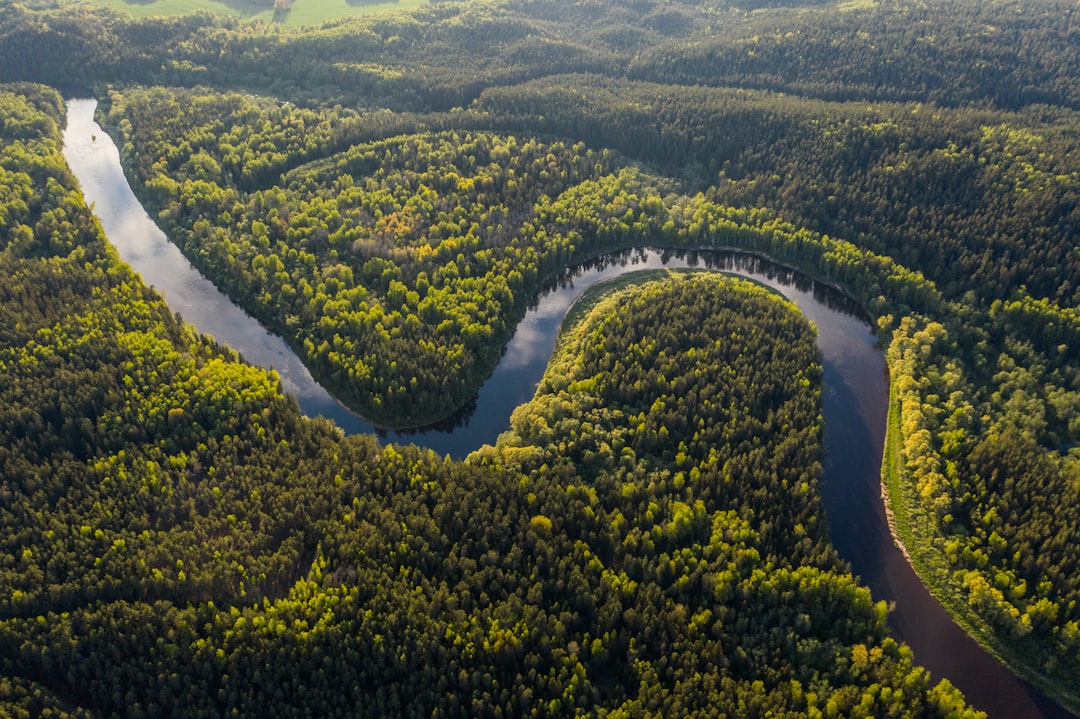
Deforestation in Brazil's Amazon rainforest has slowed to its lowest level in six years, marking a dramatic conservation success story in one of the planet's most critical ecosystems.
The achievement reflects a remarkable policy reversal under Brazil's current government, which has combined aggressive enforcement with historic financial investment. The government recently committed $617 million to Amazon ecological investment, demonstrating that conservation requires both political will and sustained funding.
Monitoring data shows deforestation rates have dropped significantly compared to the devastating losses recorded just three years ago, when illegal logging, cattle ranching, and agricultural expansion threatened to push the rainforest past critical tipping points. Scientists warn that losing more than 20-25% of the Amazon could trigger irreversible ecological collapse, transforming the rainforest into degraded savanna.
The turnaround demonstrates what conservation advocates have argued for decades: protecting biodiversity and reversing habitat loss is possible when governments prioritize environmental protection over short-term economic gains. Enhanced satellite monitoring, increased enforcement against illegal loggers, and support for Indigenous land rights have all contributed to the decline.
In nature, as across ecosystems, every species plays a role—and humanity's choices determine whether the web of life flourishes or frays. The Amazon contains approximately 10% of all species on Earth, serves as a critical carbon sink absorbing billions of tons of CO2 annually, and influences rainfall patterns across South America. Its protection affects not just jaguars and macaws, but global climate stability and water security for millions of people.
The $617 million investment will fund forest monitoring systems, support sustainable development in Amazon communities, and create economic alternatives to deforestation. Conservation experts emphasize that protecting the Amazon requires addressing the economic needs of people living in and around the forest—showing that successful conservation must benefit both wildlife and human communities.
Indigenous territories, where communities have protected forests for generations, show significantly lower deforestation rates than surrounding areas. Recognizing and supporting Indigenous land rights has proven one of the most effective conservation strategies.
Yet challenges remain formidable. Illegal gold mining continues in remote areas, and agricultural interests still push for development. Climate change itself threatens the Amazon, with more frequent droughts stressing forests and increasing fire risk. The recent progress, while significant, requires sustained commitment to prevent backsliding.
Conservation organizations welcome the trend but caution that six years of data represents just the beginning of what must be a permanent shift. The Amazon took millions of years to evolve into the world's most biodiverse terrestrial ecosystem—its protection demands thinking in generational timescales, not electoral cycles.
This success story offers hope that other critical ecosystems—from Congo Basin forests to Southeast Asian rainforests—can be protected with similar combinations of funding, enforcement, and community engagement. The Amazon's recovery demonstrates that conservation can succeed when it becomes a national priority backed by resources and resolve.