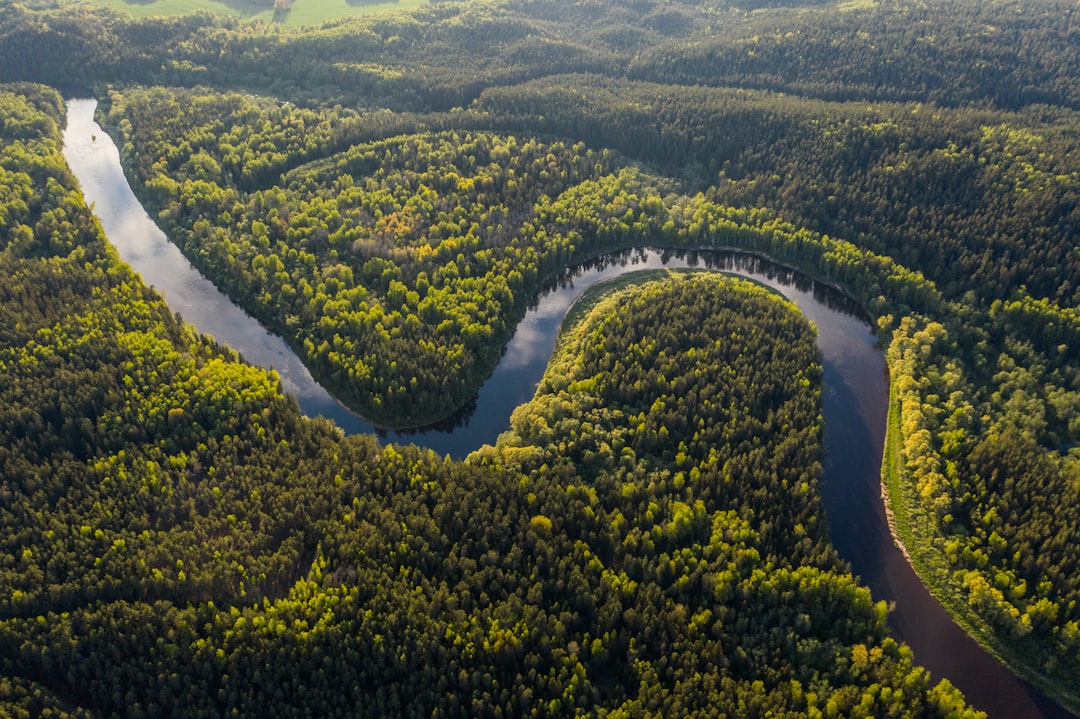
Across the globe, hundreds of aging dams are being dismantled in one of the largest ecosystem restoration efforts underway, reconnecting rivers and allowing wildlife to reclaim habitats blocked for decades.
The dam removal movement represents conservation through subtraction—recognizing that some of humanity's largest infrastructure projects have caused more ecological harm than the benefits they provide. From Europe to North America to Asia, governments and conservation groups are choosing restoration over maintenance, letting rivers flow freely again.
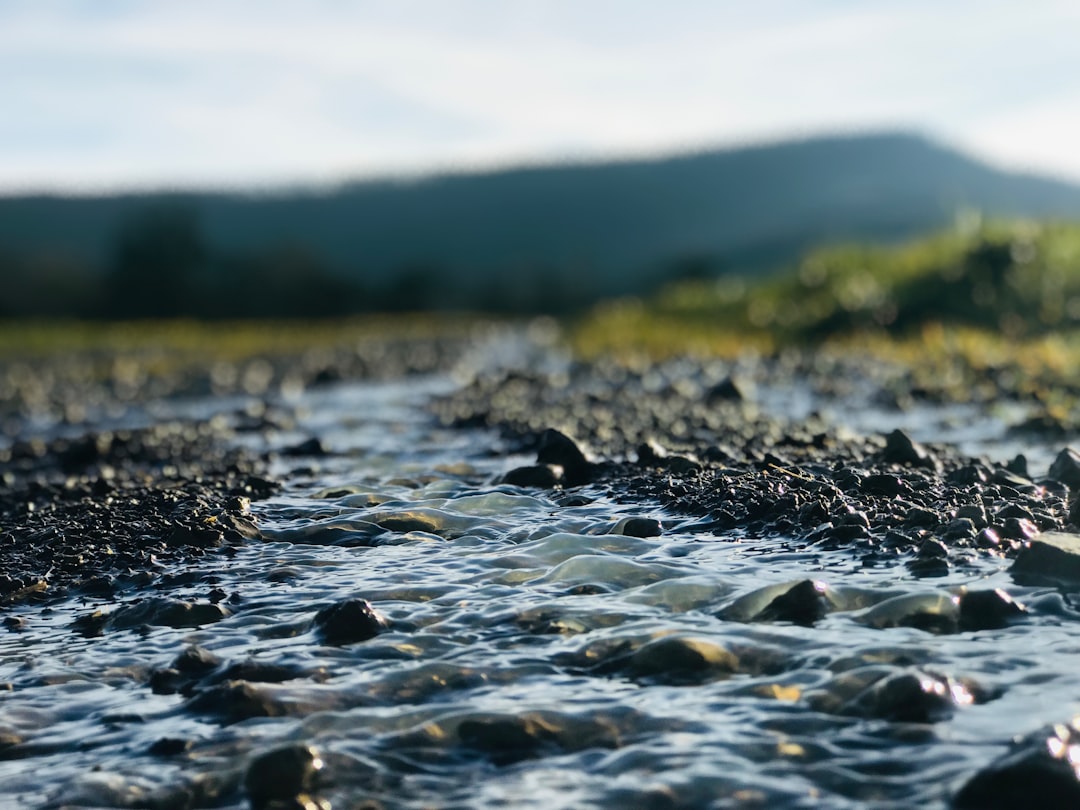
The results have been spectacular. Salmon have returned to spawn in rivers they abandoned generations ago. Wetlands are regenerating in former reservoir beds. Sediment trapped for decades is rebuilding downstream deltas and beaches. Entire aquatic ecosystems are being reborn.
"We're seeing ecological recovery happen faster than anyone predicted," explained river restoration experts tracking the phenomenon. Within months of dam removal, fish species return, water quality improves, and riparian forests begin regenerating along newly freed shorelines.
In nature, as across ecosystems, every species plays a role—and humanity's choices determine whether the web of life flourishes or frays. Dams fragment river ecosystems, blocking fish migration routes, altering water temperatures and flow patterns, trapping vital sediments, and drowning riverside forests. Their removal reverses these impacts in ways that benefit countless species.
Many dams slated for removal were built in the early-to-mid 20th century and have outlived their intended lifespans. Some no longer generate significant electricity or provide flood control. Others present safety hazards as aging concrete deteriorates. But the ecological case for removal often proves even more compelling than engineering concerns.
The Elwha River in Washington State exemplifies dam removal success. After two large dams came down in 2011-2014, salmon returned within months to rivers they'd been blocked from for a century. Today, all five Pacific salmon species spawn in the Elwha, with populations increasing annually. Sediment released from former reservoirs has rebuilt river deltas and expanded beaches.
In Europe, the movement has accelerated dramatically, with over 200 dams removed in recent years. Spain, France, Sweden, and Finland lead efforts to restore free-flowing rivers. The return of migratory fish species—salmon, sturgeon, eels—demonstrates how quickly ecosystems respond when barriers disappear.
Dam removal isn't always straightforward. Communities may depend on reservoirs for water supply or recreation. Hydroelectric dams provide renewable energy. Sediment release can temporarily impact downstream water quality. Successful projects require extensive planning, community engagement, and sometimes alternative infrastructure.
Yet the ecological benefits—reconnected habitats, restored fish populations, healthier river systems—increasingly outweigh the costs of maintaining outdated infrastructure. Rivers are among Earth's most biodiverse ecosystems per unit area, supporting species from microscopic invertebrates to apex predators.
Climate change adds urgency to river restoration. Free-flowing rivers prove more resilient to droughts and floods than dammed systems. Healthy wetlands and floodplains filter water, store carbon, and provide refuges for species facing changing conditions. Restoring river connectivity helps ecosystems adapt.
Conservation success stories often focus on protecting what remains—establishing parks, fighting development, preventing habitat loss. Dam removal offers something rarer: actively giving back to nature, undoing past damage, allowing ecosystems to heal. It's conservation that doesn't just prevent further losses but reverses them.
As the movement grows, it demonstrates that major environmental restoration is achievable with commitment and funding. The same principles—removing barriers, reconnecting habitats, letting nature recover—apply to other ecosystems from grasslands to forests to coral reefs. Rivers returning to life offer hope that humanity can repair what we've broken.