NASA has unveiled detailed plans for a permanent lunar base at the Moon's south pole, backed by $20 billion in committed funding and an aggressive timeline calling for three uncrewed missions this year, according to The Guardian. The announcement marks the transition from Artemis exploration missions to operational lunar presence—the first sustained human infrastructure beyond low Earth orbit.
The agency selected Jeff Bezos's Blue Origin to conduct the first of three cargo missions, delivering critical base components including power systems, life support equipment, and radiation shielding. The selection represents a major milestone for Blue Origin, which has pursued NASA contracts for years while watching SpaceX dominate commercial space partnerships.
"This is not Apollo 2.0," explained NASA Administrator Bill Nelson during the announcement. "Apollo was flags and footprints. This is infrastructure. This is staying."
The lunar base architecture envisions modular habitats supporting rotating crews of four astronauts for missions lasting up to three months. Located near the Shackleton Crater at the lunar south pole, the site offers near-constant solar illumination for power generation and access to water ice deposits in permanently shadowed craters—resources critical for long-duration operations and eventual propellant production.
In space exploration, as across technological frontiers, engineering constraints meet human ambition—and occasionally, we achieve the impossible. The base design reflects decades of lessons learned from the International Space Station, incorporating closed-loop life support systems far more efficient than earlier designs and radiation protection exceeding anything previously deployed in deep space.
But the plan also navigates unprecedented legal and diplomatic territory. During the announcement, NASA officials acknowledged ongoing discussions about establishing a "perimeter" around base operations—language that immediately raises questions under the 1967 Outer Space Treaty, which prohibits national appropriation of celestial bodies.
"We're very mindful of the Outer Space Treaty," Nelson emphasized. "This isn't about claiming territory. It's about operational safety zones, similar to maritime exclusion zones during naval exercises. The international community deserves clarity on these frameworks, and we're working through appropriate channels."
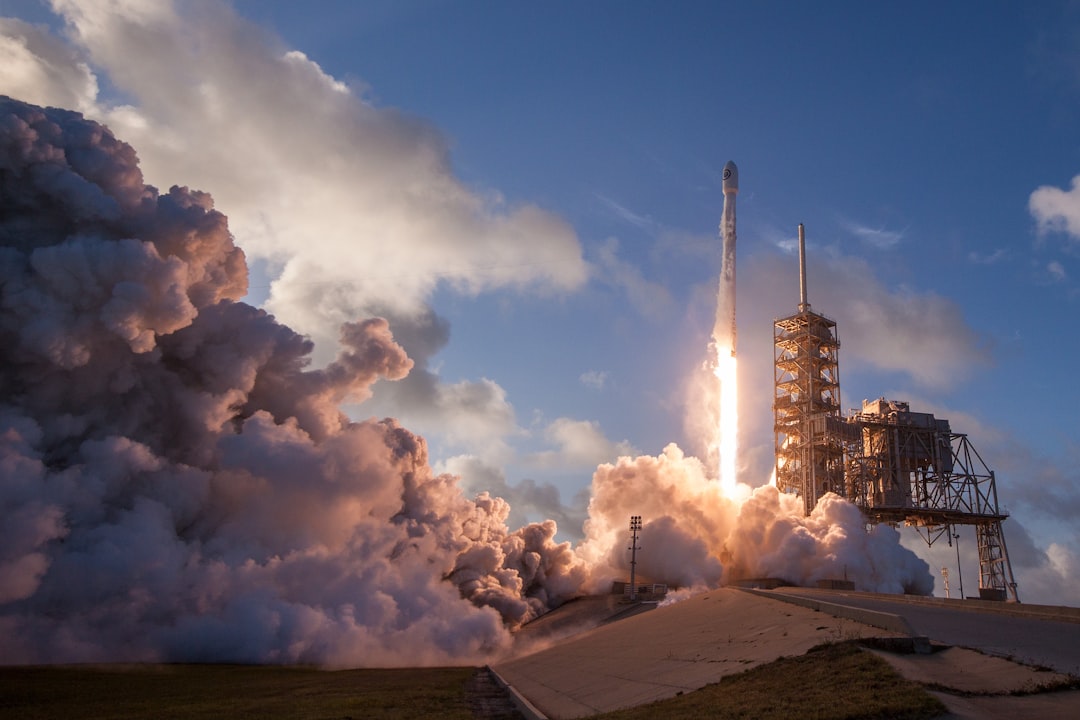
The base timeline assumes operational Starship vehicles from SpaceX for crew transportation and heavy cargo delivery. Blue Origin's New Glenn rocket will handle initial cargo flights, with each of the three 2026 missions delivering approximately 15 tons of equipment and supplies.
The ambitious schedule reflects both scientific opportunity and geopolitical urgency. China has announced plans for its own lunar base by the early 2030s, while several nations have expressed interest in lunar resource utilization. NASA's strategy centers on establishing operational presence and international partnership frameworks before lunar activity becomes contested.
The $20 billion price tag covers initial base construction through 2030, including three habitat modules, power and thermal systems, mobility vehicles, and landing pad infrastructure. Operating costs will add billions more annually, though NASA projects eventual cost recovery through lunar resource utilization and commercial partnerships.
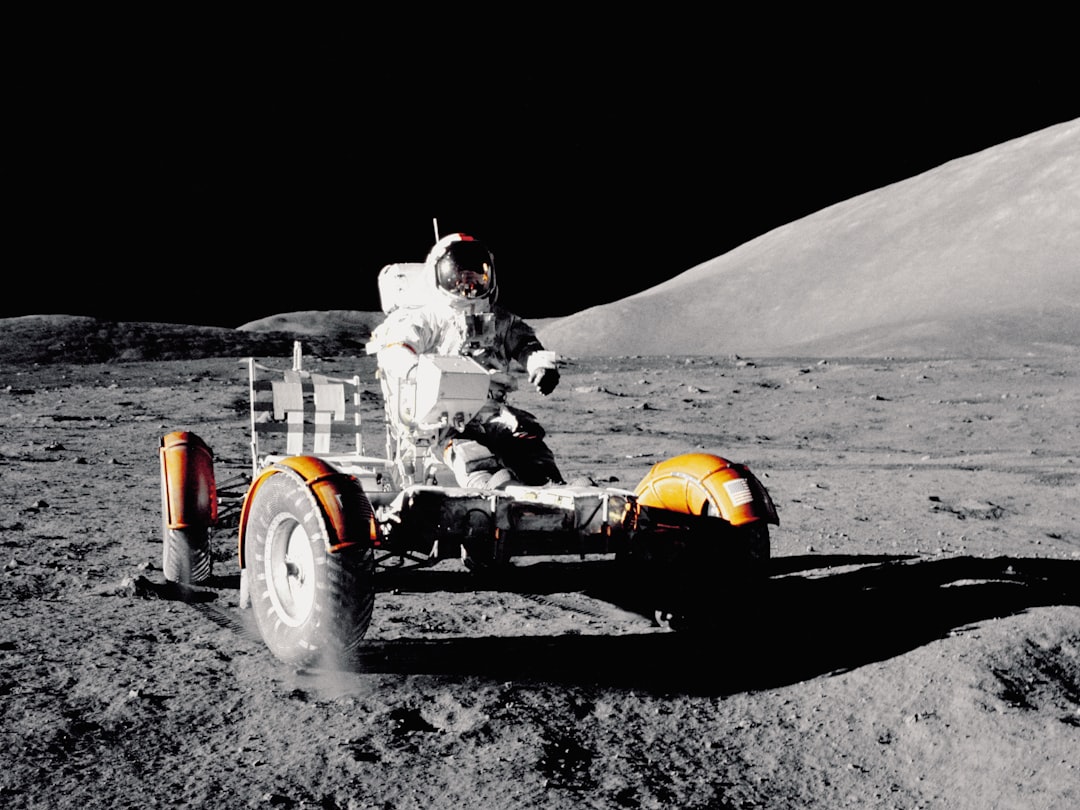
The base serves dual purposes: advancing human Mars mission capabilities through deep-space operations experience, and establishing the foundation for lunar resource economy. Water ice extraction, solar power generation, and eventual in-situ propellant production could transform the Moon from destination to departure point for deeper solar system exploration.
Critical challenges remain beyond the engineering complexity. Radiation exposure in deep space exceeds International Space Station levels significantly. Lunar dust poses mechanical and health hazards that require solutions beyond ISS experience. And the logistical challenge of maintaining continuous supply lines across 240,000 miles will test every system NASA and its partners deploy.
Yet the announcement signals a fundamental shift in human spaceflight philosophy: from exploration missions to permanent presence, from government-only operations to public-private infrastructure, from symbolic achievements to operational capabilities that could make cislunar space as routinely accessible as low Earth orbit.