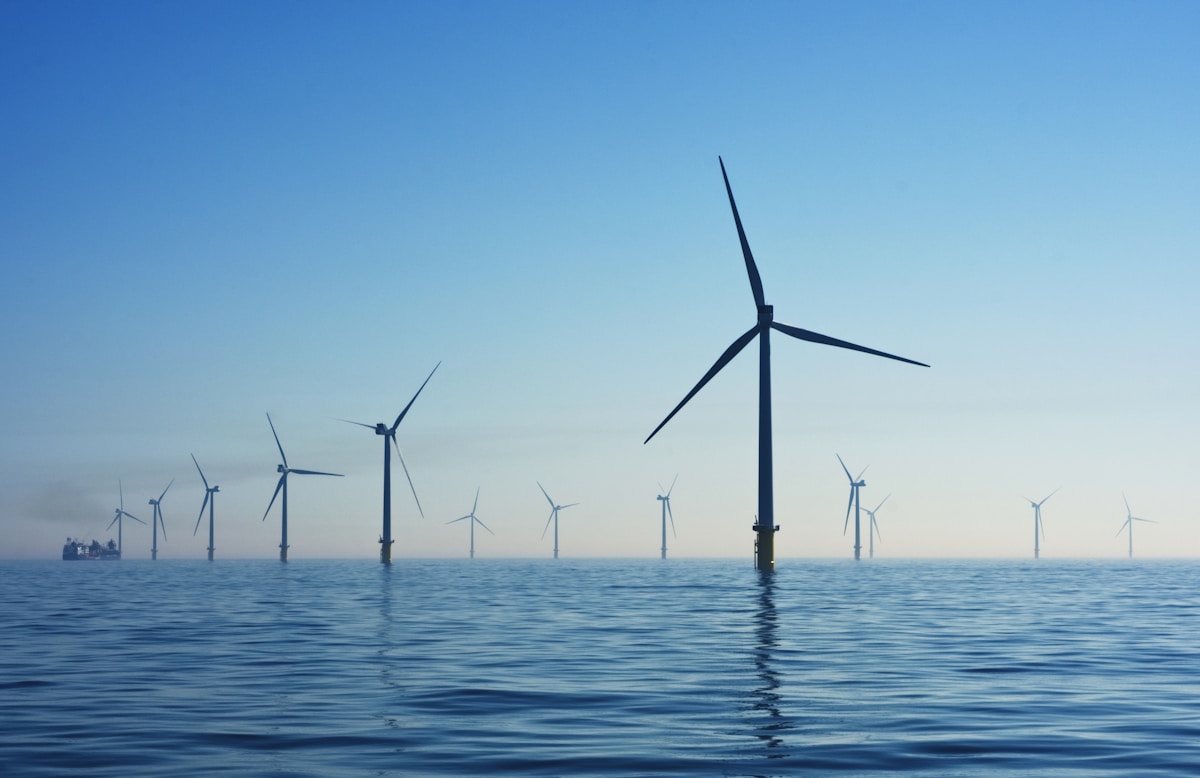
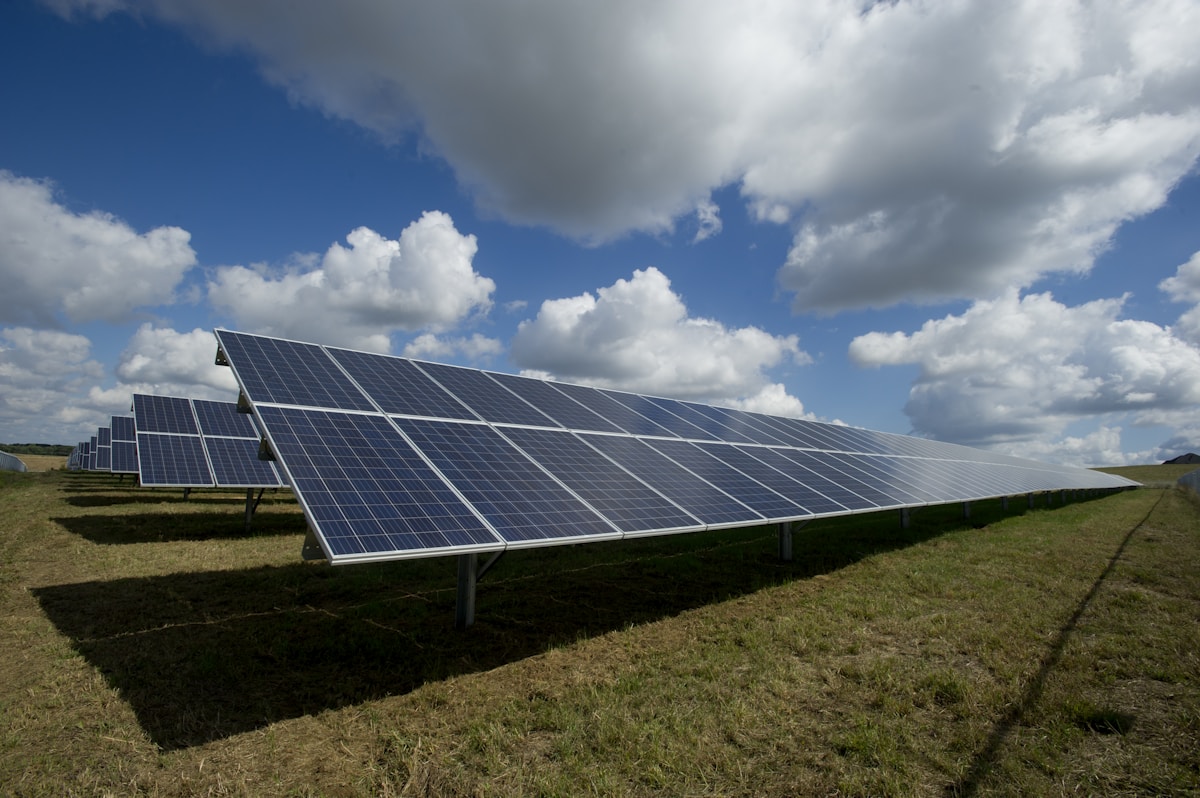
Wind and solar power surpassed natural gas in global electricity generation for the first time in April 2026, marking a historic turning point in the decades-long energy transition away from fossil fuels.
The milestone, documented by energy analysts at Ember, reflects the culmination of more than two decades of exponential growth in renewable energy deployment, particularly across China, the European Union, and India. Combined wind and solar capacity has grown from barely 1% of global electricity generation in 2000 to overtaking one of the world's dominant power sources.
This represents tangible progress in climate action - the kind of structural shift that alters emissions trajectories rather than simply announces commitments. Global renewable investment, accelerated by falling technology costs and policy support, has fundamentally reshaped electricity markets. Solar panel costs have dropped more than 90% since 2010, while wind turbine efficiency has improved dramatically.
The achievement comes with important caveats. Natural gas remains a crucial component of most electricity systems, providing flexible generation when renewables production varies. Coal, the most carbon-intensive fossil fuel, still generates more electricity globally than any single source. And monthly fluctuations mean gas may surpass renewables again in months with lower wind and solar resources.
Yet the trend lines are clear. China alone installed more solar capacity in 2025 than the entire world did in 2020. The EU has accelerated renewable deployment in response to energy security concerns following geopolitical disruptions. Even in India, solar has become cheaper than coal-fired generation in many regions.
Climate scientists emphasize this progress represents an inflection point, not a finish line. Electricity generation accounts for roughly one-quarter of global greenhouse gas emissions. Transportation, industrial heating, and agriculture remain heavily dependent on fossil fuels. Meeting Paris Agreement targets requires similar transformations across those sectors - and faster than electricity has managed.
The renewable milestone also highlights an often-overlooked climate reality: action changes outcomes. The worst-case climate scenarios from two decades ago assumed continued fossil fuel dominance. Those projections are no longer credible precisely because of the kind of structural shifts this milestone represents.
Developing economies face particular challenges and opportunities. The plummeting cost of renewables means countries can increasingly skip fossil fuel infrastructure entirely, leapfrogging directly to clean energy systems. Yet this requires financing mechanisms that reflect the reality that wealthier nations built their economies on cheap fossil fuels while poorer nations face pressure to adopt costlier alternatives.
In climate policy, as across environmental challenges, urgency must meet solutions - science demands action, but despair achieves nothing. This renewable energy milestone demonstrates that technological progress and political will can drive systemic change.
The question facing policymakers globally is whether this momentum accelerates. Renewable deployment must roughly triple by 2030 to remain on track for limiting warming to 1.5°C. That requires not just continued growth, but acceleration - along with parallel transformations in transportation electrification, grid infrastructure, energy storage, and industrial decarbonization.
Energy analysts note that the hardest work lies ahead. The first 30% of electricity system decarbonization proves easier than the final 70%, which requires solving intermittency challenges, building transmission infrastructure, and managing grid stability without fossil fuel baseload. Yet April 2026 will likely be remembered as the month when renewables definitively crossed from alternative to mainstream.