Researchers have developed a solar-powered desalination device that simultaneously produces fresh water and extracts lithium and other critical minerals from brine, addressing two pressing sustainability challenges with a single elegant technology.
The innovation, detailed by Interesting Engineering, represents the kind of dual-benefit climate solution that could accelerate both water security and clean energy transitions. As global water scarcity intensifies and battery mineral demand surges, technologies that tackle both challenges simultaneously offer compelling economics and environmental benefits.
Traditional desalination consumes enormous energy and produces toxic brine waste. The process accounts for roughly 1% of global industrial energy demand. Disposing of concentrated brine harms marine ecosystems when discharged into oceans. Meanwhile, lithium extraction for batteries typically involves energy-intensive mining or evaporation pond methods that take years and consume vast water quantities.
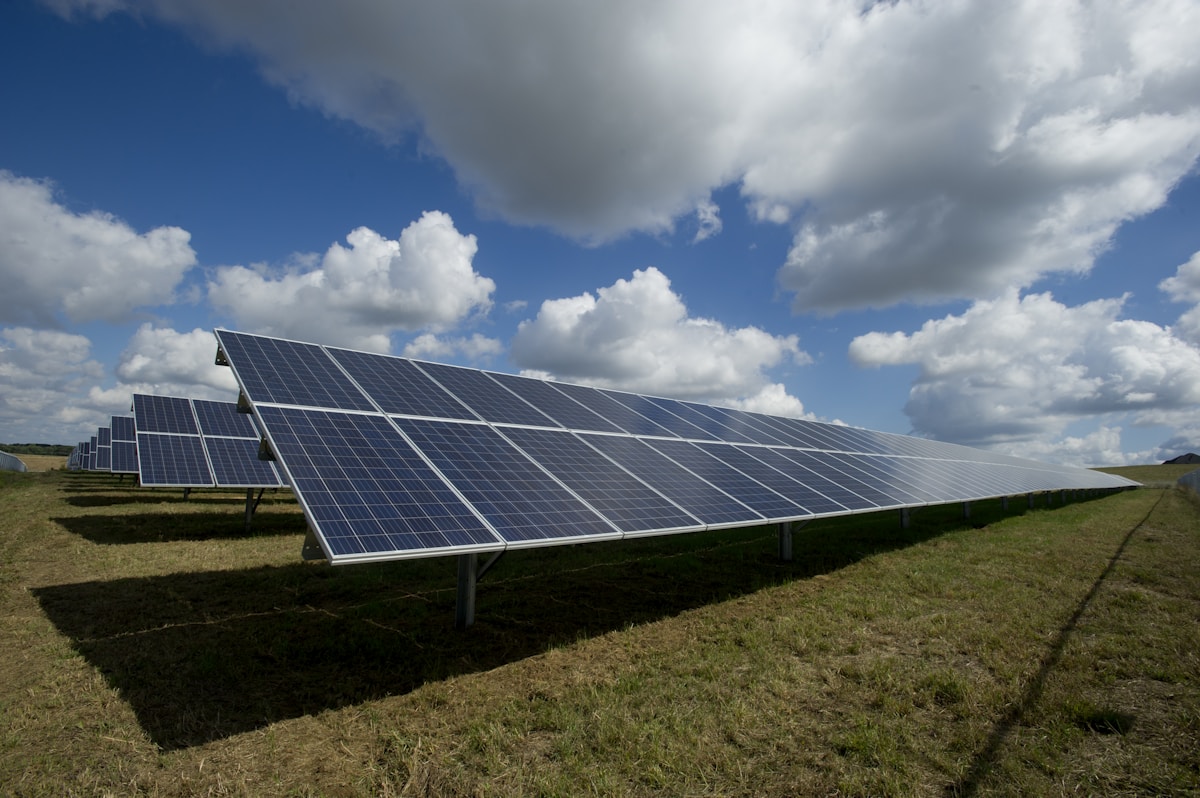
The new solar desalination technology addresses both problems. Solar energy powers the water purification process, eliminating fossil fuel dependence. The concentrated brine, rather than becoming waste, becomes feedstock for extracting lithium, potassium, magnesium and other minerals valuable for battery production and agriculture.
The implications for developing world water access are significant. Roughly 2 billion people lack reliable access to safe drinking water, with coastal and arid regions facing particularly acute shortages. Climate change is intensifying droughts and straining freshwater supplies globally. Affordable, solar-powered desalination could dramatically expand water access in regions with high solar resources but limited freshwater.
Battery mineral supply chains present a different bottleneck. Electric vehicle adoption and grid storage deployment require massive lithium production increases. Current extraction methods face environmental opposition and production constraints. Recovering lithium from desalination brine could supplement conventional sources while monetizing what currently constitutes toxic waste.
The technology remains in development phases, and critical questions about scalability persist. Lab demonstrations don't guarantee commercial viability. Capital costs, maintenance requirements, and real-world efficiency all require validation. Mineral extraction rates must prove economically competitive with conventional mining.