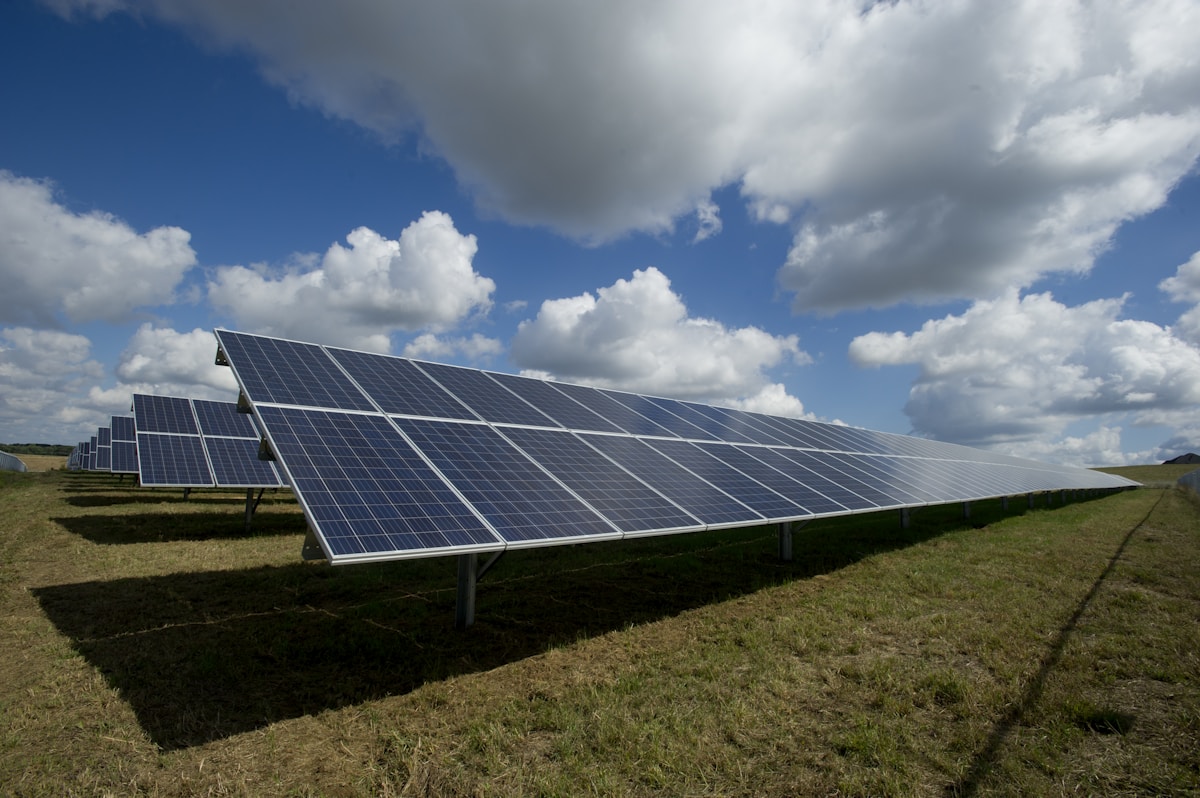
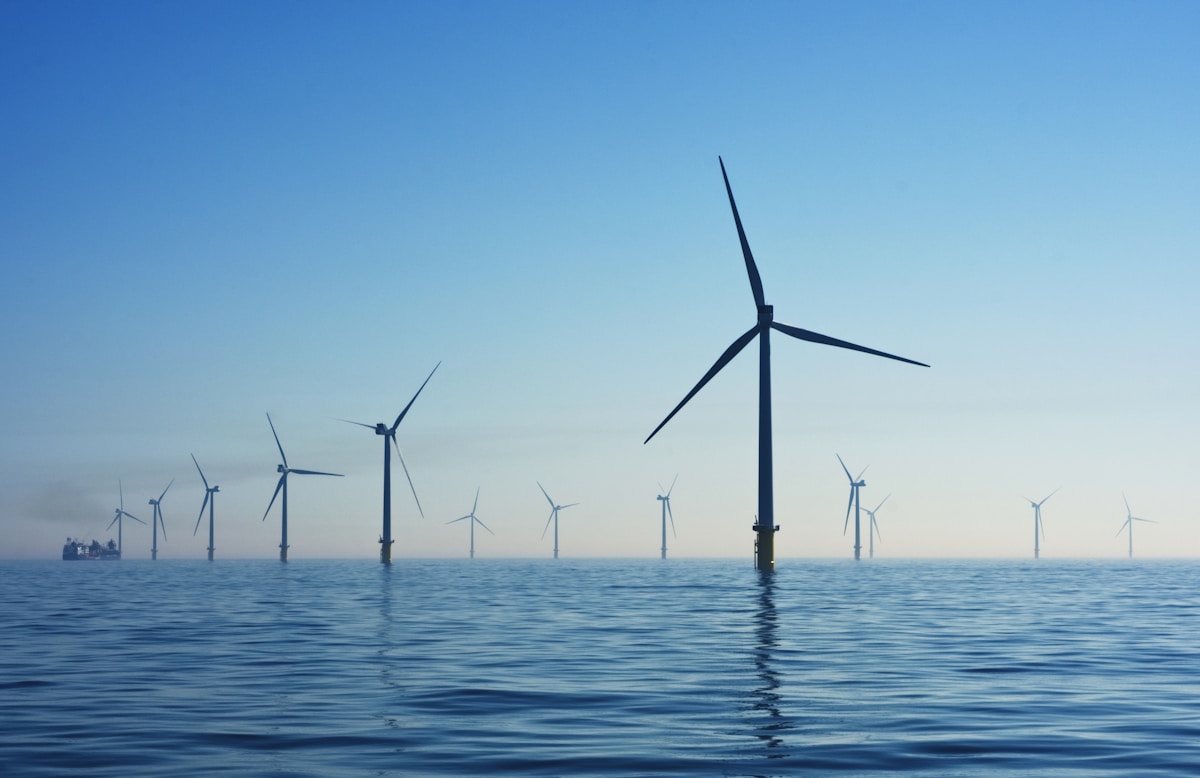
Spain has launched Paiporta, a modular offshore floating solar platform designed to bypass land-use constraints and potentially hybridize with offshore wind farms, demonstrating how maritime renewable deployment can unlock clean energy capacity where terrestrial sites face limitations.
The installation, detailed by Interesting Engineering, represents a significant step in offshore solar technology - a sector that has lagged behind offshore wind despite similar potential. As prime land sites for solar farms face increasing competition from agriculture, conservation, and development, maritime deployment offers vast untapped capacity.
Floating solar platforms confront unique engineering challenges. Marine environments impose harsh conditions - saltwater corrosion, wave action, storm exposure, and biofouling all threaten equipment. Mooring systems must withstand extreme weather while allowing platforms to move with waves. Electrical connections to shore require underwater cabling. Maintenance proves more complex and costly than terrestrial installations.
Yet the advantages are substantial. Ocean surfaces offer effectively unlimited area in coastal nations. Water cooling improves solar panel efficiency compared to hot land installations. Locating generation near coastal demand centers reduces transmission requirements. Hybridizing with offshore wind farms can share grid connection infrastructure, reducing costs.
The modular design proves crucial for scalability. Rather than single massive platforms, the Paiporta system uses interconnected smaller units. This approach simplifies manufacturing, transportation, installation, and maintenance. Units can be added incrementally as demand grows and technology matures. Failures affect only individual modules rather than entire installations.
Potential hybridization with offshore wind represents particularly interesting synergy. Wind and solar generation patterns complement each other - wind often blows strongest at night and during storms when solar output drops. Combining both at single offshore sites maximizes grid connection utilization and provides more stable aggregate output.
In climate policy, as across environmental challenges, urgency must meet solutions - science demands action, but despair achieves nothing. Offshore solar deployment demonstrates how technological innovation can overcome geographical constraints on renewable energy.