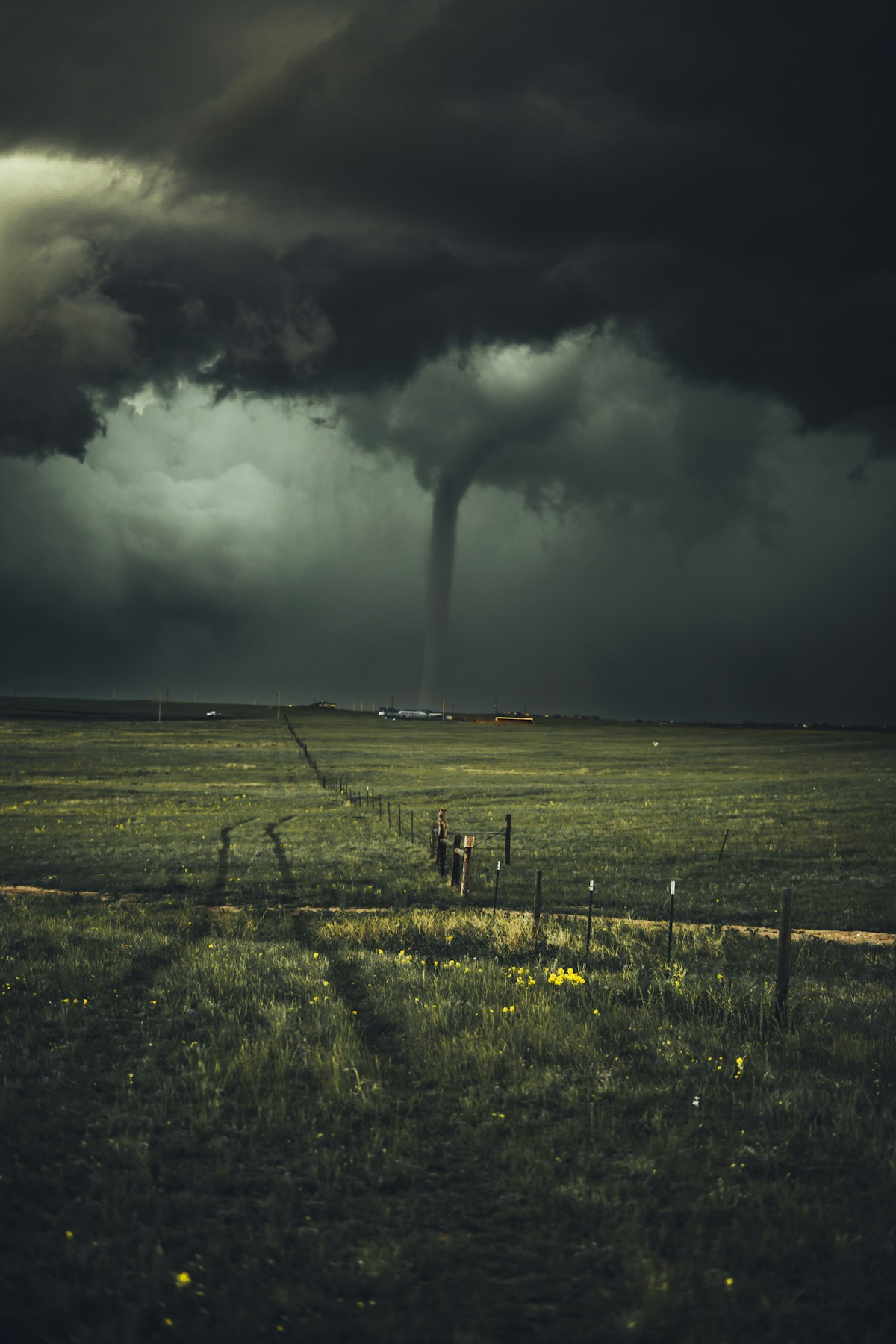
An analysis from The Conversation examines what made Wellington's recent deluge so intense, despite being classified as an 'ordinary' storm.
Climate scientists point to local geography, urban development, and changing rainfall patterns that amplified impacts - turning a routine weather event into a disaster.
This matters beyond Wellington. It's about how 'ordinary' weather events are becoming extraordinary disasters due to climate change and poor planning. Pacific cities face the same intensification, and most have far fewer resources than Wellington.
The Wellington region experienced severe flooding in recent days from a storm system that, by meteorological standards, wasn't particularly extreme. No cyclone, no atmospheric river, no unprecedented low-pressure system - just a solid rainstorm. Yet it caused significant flooding, evacuations, and infrastructure damage.
That disconnect between "ordinary" meteorology and extraordinary impacts reveals how climate change and urban development are amplifying risks from routine weather events.
Climate scientists analyzing the event identified several compounding factors. Wellington's steep topography concentrates runoff, turning hillside suburbs into efficient water funnels during heavy rain. Urban development has increased impermeable surfaces - concrete and asphalt that shed water rather than absorbing it - accelerating runoff and overwhelming drainage systems designed for historical rainfall patterns.
But the critical factor is changing rainfall intensity. Climate change is loading the atmosphere with more moisture, meaning that when it rains, it rains harder. An "ordinary" storm now delivers more water in shorter timeframes than the same meteorological setup would have decades ago.
Wellington's infrastructure - stormwater drains, flood defenses, urban planning - was designed for historical rainfall patterns. When those patterns shift, previously adequate infrastructure becomes inadequate. The city's drainage system can handle routine rain, but "routine" keeps getting redefined upward.
The same dynamic plays out across Pacific cities, often with more severe consequences. Suva, Port Moresby, Honiara, and dozens of smaller urban centers face similar geography - steep terrain, coastal locations, concentrated development - but with less robust infrastructure and fewer resources for climate adaptation.
When an ordinary storm hits Suva with extraordinary intensity, the flooding overwhelms drainage systems designed for old climate patterns. When Port Moresby gets a routine rainfall event that's 20% more intense than historical norms, hillside settlements face landslides and flooding.
For low-lying Pacific atoll nations, the challenge is even more acute. Rising seas mean that routine high tides now cause flooding that required storm surges in the past. Ordinary king tides become extraordinary inundation events.
The Wellington analysis offers lessons for climate adaptation planning across the region. First, infrastructure designed for historical weather patterns will increasingly fail under future conditions - even without unprecedented extreme events. Ordinary storms are getting less ordinary.
Second, urban development amplifies climate risks. Every impermeable surface, every hillside cleared for housing, every wetland filled for development increases flood vulnerability. Planning regulations that worked for old climate patterns become dangerously inadequate.
Third, the gap between meteorological classification and actual impacts is widening. A storm that meteorologists classify as "routine" can still cause disaster-level impacts if it hits infrastructure and communities designed for a climate that no longer exists.
For Wellington, the solution involves infrastructure upgrades, improved urban planning, and climate adaptation strategies with substantial funding. For Pacific island cities, the same solutions are needed but resources are far more constrained.
The cruel mathematics of climate change: wealthy cities struggle to adapt fast enough, while vulnerable communities face the same intensification with fraction of the resources.
Wellington's ordinary storm with extraordinary impacts isn't an anomaly - it's a preview. As climate change continues loading the atmosphere with moisture and shifting rainfall patterns, what meteorologists classify as routine will increasingly cause crisis-level impacts.
The question isn't whether adaptation is needed. It's whether communities can adapt fast enough, with adequate resources, before the next ordinary storm arrives with extraordinary consequences.