Examination centers administering Nigeria's Joint Admissions and Matriculation Board (JAMB) exams have forced students to cut their hair before entering facilities, despite no official policy requiring it—the latest example of arbitrary bureaucratic power that undermines Nigeria's youth.
A 19-year-old student described being turned away from his examination center and forced to cut the natural hair he had grown for two years, despite JAMB's official dress code mentioning only dreadlocks, not general hair length. The student wrote the 50-minute exam after experiencing what he called a traumatic forced haircut, while other centers allowed students with similar hairstyles to enter without incident.
"The biggest joke was the batch that came before mine had guys with full hair, and other centres didn't even act like this," the student wrote in an emotional account posted to social media. "Were we keeping answers in our hair?"
The incident at the JAMB center reflects systemic issues in Nigerian bureaucracy, where officials wielding minor authority impose arbitrary requirements that official policies do not mandate. A female student at the same center was forced to remove gold teeth, while another attempted to wash off traditional henna (lahli) designs—none of which appear in JAMB's published examination guidelines.
Arbitrary Power and Youth Frustration
For the affected student, who had endured years of criticism and insults about his natural hair, the forced cutting represented more than a grooming requirement—it symbolized the arbitrary exercise of power by officials disconnected from the struggles of young Nigerians trying to access education.
"I know boys should always cut their hair but i never look at the mirror and think I'm handsome when i do," he wrote. "It felt like the entire world against me for me keeping my hair. I got dragged and humiliated in teenage church. Some ppl said I'll end up getting arrested by police because keeping my hair means engaging in cyberfraud."
The association between hairstyle and criminal activity reflects broader stereotypes affecting Nigerian youth, particularly young men. As Yahoo Yahoo (internet fraud) became a social concern, visible markers like long hair, dreadlocks, or flashy clothing became associated with criminality in the public imagination—leading to harassment by police and discrimination by officials.
Systemic Dysfunction in Education Access
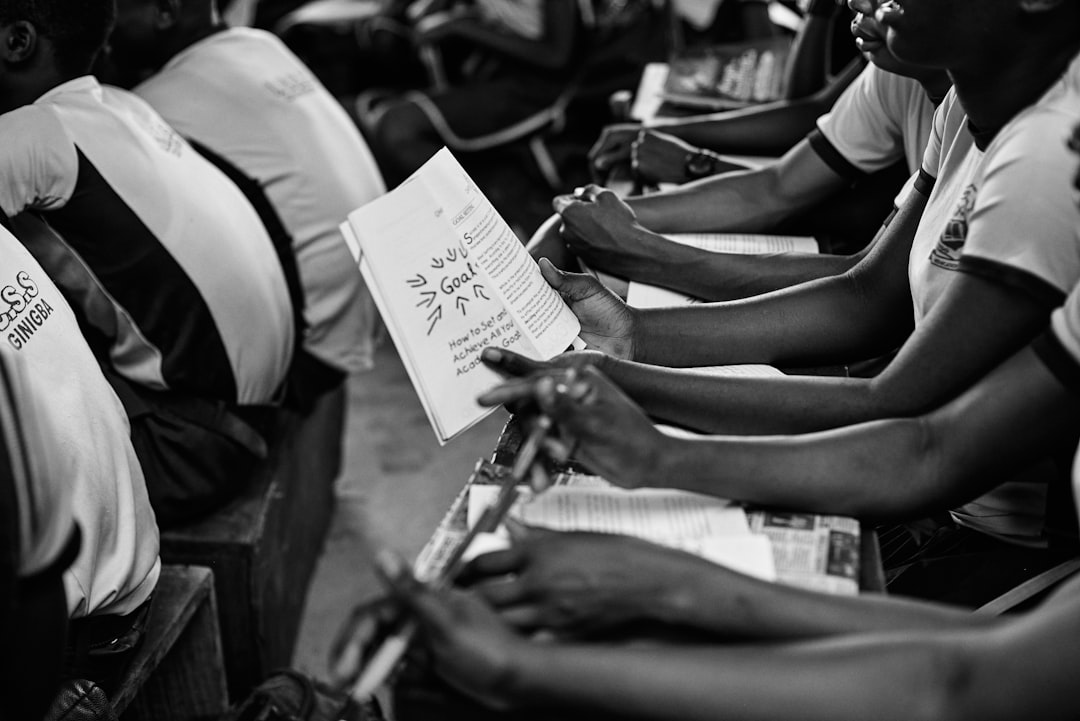
The JAMB examination serves as the gateway to Nigerian universities, making it one of the highest-stakes tests young Nigerians face. Over 1.8 million candidates registered for the 2024 JAMB exams, competing for far fewer university spaces in a system strained by underfunding and capacity constraints.
The exam's importance makes the arbitrary haircut requirement particularly cruel—students facing potential denial of university admission over unofficial grooming standards enforced inconsistently across centers. The incident highlights how Nigerian bureaucracy often focuses on controlling citizens' appearance and behavior while failing to address substantive problems in education quality, infrastructure, or accessibility.
The differential treatment across examination centers reveals the arbitrary nature of the enforcement. While some centers turned away students with natural hair, others allowed identical hairstyles without comment—demonstrating that individual officials' preferences, not policy, drove the requirements.
Pattern of Bureaucratic Overreach
The JAMB haircut incident fits a broader pattern of Nigerian officials imposing requirements beyond their mandate. Similar arbitrary enforcement occurs at National Identification Number (NIN) registration centers, passport offices, and other government facilities where officials wield control over services citizens need.
"That's the thing about this country: always trying to fix the wrong things, especially random individuals who have power," the student wrote, capturing widespread frustration with a system that prioritizes conformity over competence.
In Nigeria, as across Africa's giants, challenges are real but entrepreneurial energy and cultural creativity drive progress. Yet that progress requires systems that support young Nigerians' aspirations rather than imposing arbitrary obstacles. The student vowed to grow his hair again and "hopefully will leave this country one day"—a sentiment shared by many young Nigerians who see their future elsewhere.
JAMB officials have not commented on the incident or clarified whether hair length restrictions represent official policy. The silence leaves students preparing for future exams uncertain whether they too will face forced haircuts—or what other arbitrary requirements officials might impose.