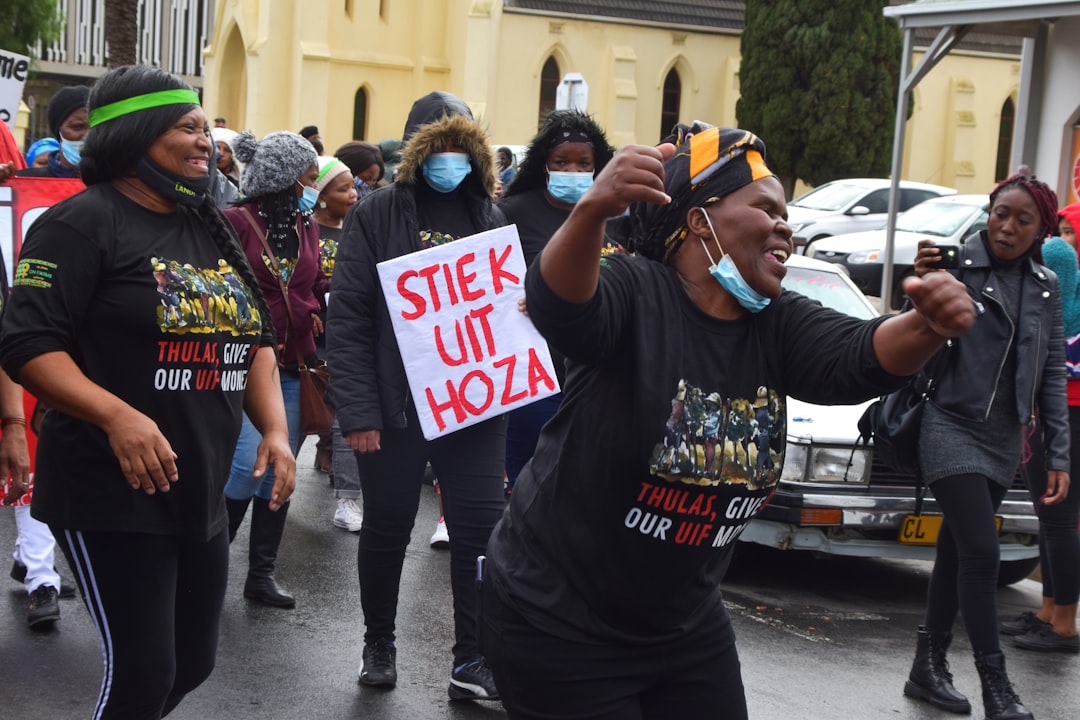
A protest outside South Africa's consulate in New York has brought international attention to the legal troubles of Julius Malema, leader of the Economic Freedom Fighters, raising fresh questions about judicial independence and selective prosecution in the Rainbow Nation.
The demonstration, held under the banner "Hands Off Malema," reflects growing concern among diaspora communities and international observers about whether South Africa's judicial system is being weaponized against political opponents—or whether it's simply holding all citizens, including politicians, accountable to the law.
Malema faces firearms-related charges that could result in significant prison time. His supporters argue the prosecution is politically motivated, pointing to what they see as disproportionate legal attention compared to other public figures. Critics counter that Malema has long courted controversy and that no politician should be above the law.
The debate cuts to the heart of South Africa's post-apartheid democratic project. The country's Constitution, adopted in 1996, established one of the world's most progressive legal frameworks, including a fiercely independent judiciary that has frequently ruled against government positions. That independence has been tested repeatedly—from the Constitutional Court's landmark decisions against former President Jacob Zuma to ongoing corruption prosecutions.
Yet the Malema case highlights persistent questions about equal application of the law. Civil rights organizations like AfriForum have been vocal in demanding prosecution of Malema for various alleged offenses. These same groups, critics note, appear less energized about other cases involving alleged violence or hate speech.
The internationalization of Malema's case reflects the EFF's growing profile beyond South Africa's borders. Founded in 2013 after Malema's expulsion from the African National Congress, the party has positioned itself as representing radical economic transformation and has cultivated links with progressive movements globally.
According to local media, the New York protest drew attention from Pan-Africanist groups and diaspora activists who see Malema as a champion of economic justice. His calls for land redistribution and nationalization of key industries resonate with communities frustrated by persistent inequality thirty years after apartheid's end.
But the question of judicial fairness versus political accountability remains unresolved. South Africa's National Prosecuting Authority insists prosecutorial decisions are made independently, without political interference. The authority's credibility took significant damage during the Zuma years, when allegations of "state capture" suggested systematic corruption of law enforcement agencies.
Current President Cyril Ramaphosa has pledged to restore institutional integrity, appointing respected legal figures to key positions. Yet critics from across the political spectrum question whether prosecutorial resources are allocated fairly—whether corruption cases are pursued with equal vigor regardless of political connections.
The Malema prosecution also occurs against the backdrop of South Africa's new Government of National Unity, formed after no party secured a majority in 2024 elections. The coalition brings together the ANC, Democratic Alliance, and smaller parties—but excludes the EFF, leaving Malema in opposition and potentially more vulnerable to prosecution.
In South Africa, as across post-conflict societies, the journey from apartheid to true equality requires generations—and constant vigilance. The firearms case against Malema will test whether the country can maintain judicial independence while ensuring equal justice for all, regardless of political position or public profile.
For now, the New York protest signals that the case will be watched internationally, adding pressure on South Africa's institutions to demonstrate both fairness and accountability—democratic values that remain essential to the nation's post-apartheid project.