A 1993 US federal court order revealed that Nigeria's current president Bola Tinubu forfeited $460,000 to the United States government in connection with a Chicago heroin trafficking investigation, according to court documents circulating on social media and verified by researchers.
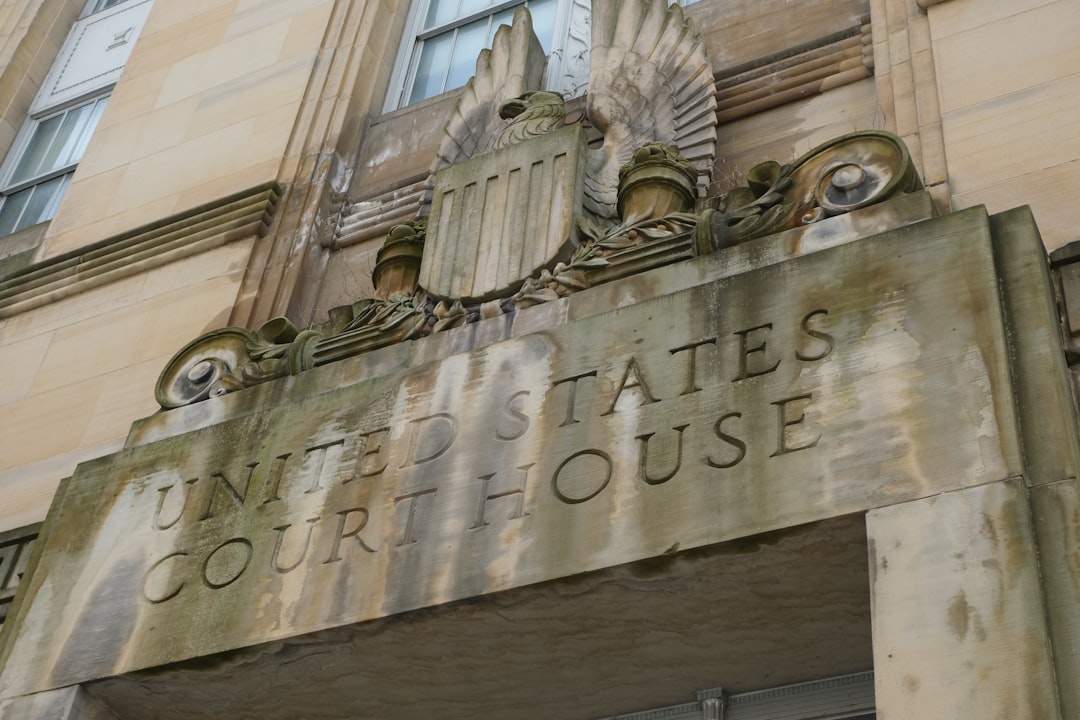
The Northern District of Illinois court filing shows that funds in ten accounts held by Tinubu at Citibank were subject to civil forfeiture proceedings. The accounts, opened with his name and social security number, came under scrutiny during an investigation into Adegboyega Mueez Akande and Abiodun Agbele, both of whom were convicted in the heroin trafficking case.
The forfeiture was civil rather than criminal—a crucial legal distinction. Tinubu was never charged with drug trafficking, and civil forfeitures require only a preponderance of evidence linking assets to illegal activity, not proof beyond reasonable doubt. Legal experts note that such forfeitures often occur when prosecutors believe funds derive from criminal proceeds but lack sufficient evidence for criminal charges.
"In Nigeria, as across Africa's giants, challenges are real but entrepreneurial energy and cultural creativity drive progress," yet this revelation strikes at the heart of Tinubu's carefully cultivated political legitimacy. The president has previously addressed questions about his American past, stating he was neither arrested nor convicted of drug offenses.
The timing is politically explosive. Tinubu, who took office in May 2023, has positioned himself as an economic reformer tackling Nigeria's deep-rooted corruption. His administration removed fuel subsidies and floated the naira, painful measures presented as necessary medicine for Africa's largest economy. Opposition parties immediately seized on the documents, demanding explanations.
Atiku Abubakar, who lost to Tinubu in the disputed 2023 election, called for "full transparency on what these court records reveal about our president's past." The People's Democratic Party described the revelations as "confirmation of what many Nigerians have long suspected about the murky origins of certain political fortunes."
The president's spokesperson has not issued a formal statement on the resurfaced documents. Aso Rock, Nigeria's presidential villa, remained silent as the story dominated Nigerian social media throughout the day, with the hashtag #TinubuForfeiture trending nationally.
For a nation that has battled perception as a hub for financial crime—from the "419" scams of the 1990s to modern cybercrime—the revelations about its sitting president create uncomfortable ironies. Tinubu's government has championed anti-corruption initiatives and sought to rehabilitate Nigeria's international reputation.
Legal analysts point out that civil forfeiture does not equal guilt, and that Tinubu may have chosen settlement over prolonged legal battle. "The forfeiture could mean many things," noted Femi Falana, a prominent Nigerian lawyer. "But transparency demands he explain what precisely happened, rather than leaving Nigerians to speculate."
The documents surface as Tinubu faces mounting domestic pressure over Nigeria's economic crisis. Inflation exceeds 30%, the naira has collapsed, and millions of Nigerians struggle with soaring food prices. Many citizens who tolerated painful reforms under the promise of honest leadership now question that premise.
Nigeria's young, digitally connected population—over 60% under age 25—has proven increasingly unwilling to accept political opacity. The same social media networks that powered the #EndSARS protests against police brutality in 2020 are now dissecting these court documents with forensic intensity.
Whether this becomes a defining scandal of Tinubu's presidency or fades into Nigeria's complex political memory depends partly on his response. For a leader who ran on credentials as Lagos' transformative governor, the gap between cultivated image and documented past has never seemed wider.
The revelations also test Nigeria's democratic institutions. Will the National Assembly demand accountability? Will opposition parties pursue this through legal channels? Or will Nigeria's often transactional politics absorb another scandal without consequence?
As Nigerian entrepreneurial dynamism continues reshaping Africa's largest economy—from Lagos tech startups to Nollywood's global cultural reach—these questions about leadership integrity loom over the nation's potential. The forfeiture documents remind Nigerians that the same questions about accountability that plague other sectors also reach the presidency itself.