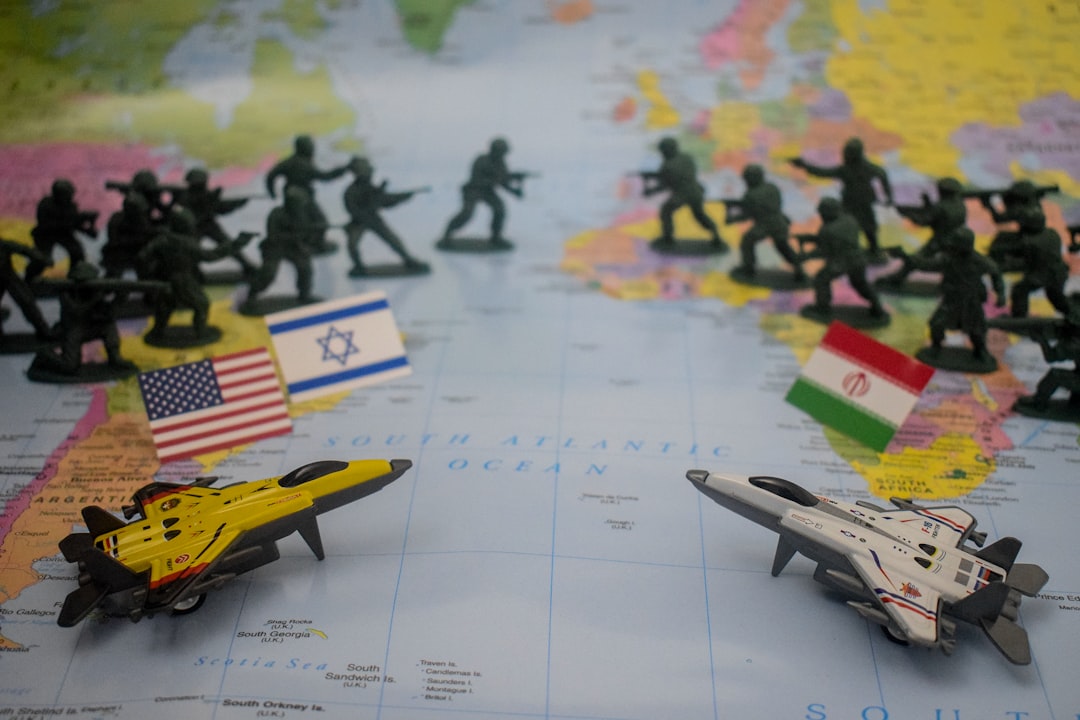
The United States has agreed to release billions in frozen Iranian assets held in banks in Qatar and other financial institutions, according to Iranian sources cited by Reuters, marking a significant diplomatic development as tensions between Washington and Tehran reach their highest point in years.
The agreement comes as the Trump administration navigates a complex regional crisis following escalating military confrontations in the Middle East. According to sources familiar with the matter, the release of Iranian funds—which have been frozen under U.S. sanctions since 2018—represents a potential breakthrough in backchannel negotiations that have intensified in recent weeks.
"This is classic crisis diplomacy," said Richard Haass, president emeritus of the Council on Foreign Relations and a veteran of multiple administrations. "When you're staring down the barrel of a wider regional war, frozen assets become a bargaining chip rather than a punishment."
The funds in question, estimated at $6 billion to $10 billion, were originally paid by South Korea and other countries for Iranian oil exports before sanctions tightened. They have been held in escrow accounts, primarily in Qatari banks, inaccessible to the Iranian government for years.
While the White House has not officially confirmed the agreement, administration officials speaking on background indicated that any release of funds would come with strict humanitarian restrictions. The assets would reportedly be designated solely for food, medicine, and other non-sanctioned humanitarian goods—a framework similar to one briefly implemented during the Biden administration in 2023.
"If we're going to de-escalate, both sides need to show flexibility," a senior State Department official told reporters, declining to discuss specific negotiations. "But let's be clear: this doesn't change our fundamental approach to Iranian behavior or our commitment to regional partners."
The timing of the reported agreement is particularly significant. U.S. intelligence officials recently indicated that China is preparing weapons shipments to Iran, according to CNN, complicating Washington's efforts to isolate Tehran diplomatically and militarily. The potential release of frozen assets may represent an effort to create diplomatic space while preventing further escalation.
For Americans watching from home, the immediate question centers on what the United States receives in return. Congressional sources familiar with the negotiations suggested the deal may include commitments from Iran to restrain proxy forces in Iraq, Syria, and Yemen—though such promises have proven difficult to verify and enforce in the past.
Republican lawmakers swiftly criticized the reported agreement. Senator Tom Cotton of Arkansas, a leading voice on Iran policy, called it "ransom payments to a regime that sponsors terrorism and threatens American troops." Democrats have been more circumspect, with several noting the complexity of managing simultaneous crises in multiple regions.
The release of Iranian assets remains politically contentious in Washington, particularly among those who remember the 2016 payment of $400 million to Iran that coincided with the release of American prisoners. Critics labeled that transfer a ransom; the Obama administration insisted it was a longstanding legal settlement.
For swing state voters—particularly in states like Pennsylvania and Michigan with significant Middle Eastern diaspora communities—the Iran question cuts across traditional political lines. Many Americans of Iranian descent support engagement with Tehran, while Arab-American communities remain divided based on sectarian and political alignments.
As Americans like to say, "all politics is local"—even in the nation's capital. And on Iran policy, the local politics of Washington increasingly reflect the reality that military options carry enormous risks, while diplomatic options require accepting imperfect compromises.
The reported agreement will likely face scrutiny from Congress, though the administration appears to be structuring any asset release to avoid triggering mandatory sanctions reviews. Whether this represents a genuine de-escalation or merely a temporary pause in a longer confrontation remains the central question facing policymakers in both Washington and Tehran.