President Luiz Inácio Lula da Silva finds himself in a statistical dead heat with three right-wing challengers for the 2026 presidential election, according to a new Datafolha poll published by G1 that signals potential trouble for Brazil's left after years of dominance.
The survey shows Lula tied in hypothetical second-round matchups with Flávio Bolsonaro, the senator and son of former president Jair Bolsonaro; Ronaldo Caiado, the governor of Goiás; and Romeu Zema, governor of Minas Gerais. Each pairing falls within the poll's margin of error, marking a dramatic shift from Lula's comfortable victories in previous electoral cycles.
In Brazil, as across Latin America's giant, continental scale creates both opportunity and governance challenges. The polling data reveals deep geographic and economic divisions, with Lula maintaining strength in the Northeast while struggling in the prosperous Southeast states of São Paulo and Minas Gerais, where economic concerns dominate voter priorities.
The results represent a significant reversal for the Workers' Party, which has governed Brazil for much of the past two decades. Analysts point to persistent inflation, slow economic growth, and frustration with corruption scandals as eroding Lula's support among middle-class voters who once formed part of his coalition.
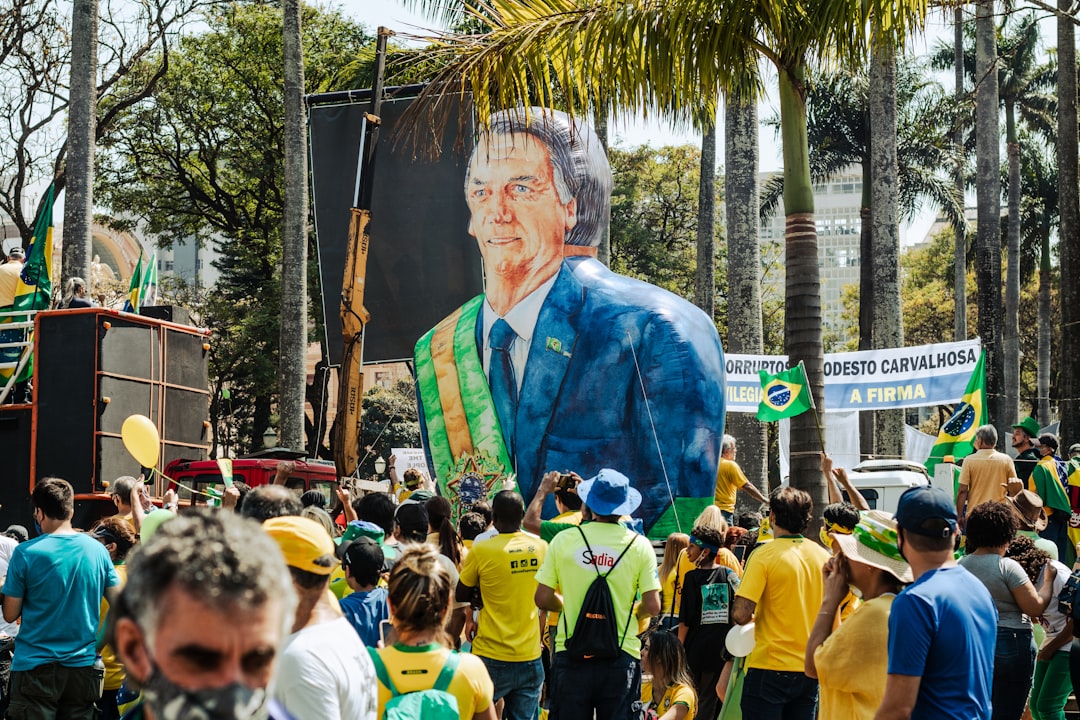
Flávio Bolsonaro's strong showing is particularly notable given ongoing investigations into alleged corruption during his time in the Rio de Janeiro state legislature. His ability to remain competitive despite these controversies underscores the enduring appeal of his father's political brand among conservative voters.
Caiado, a physician and long-time politician, has positioned himself as a more moderate alternative to the Bolsonaro family while maintaining conservative credentials on economic policy. His governance of Goiás has won praise from agribusiness interests, a crucial voting bloc in Brazil's interior.
Zema, an entrepreneur before entering politics, has built a reputation for fiscal discipline in Minas Gerais, traditionally one of Brazil's key swing states. His technocratic approach appeals to business leaders frustrated with what they view as Lula's interventionist economic policies.
The poll indicates Lula's approval ratings have softened amid economic headwinds and controversial policy decisions. His administration's handling of Amazon deforestation policy has pleased international observers but angered powerful agricultural interests, while urban voters remain concerned about crime and economic opportunity.
Political analysts note that the 2026 race remains far from decided, with more than a year before the first round of voting. Brazilian elections historically see significant movement in voter preferences during campaign periods, when candidates participate in mandatory televised debates and advertising.
The fragmented opposition could work to Lula's advantage if multiple right-wing candidates split the vote in the first round, potentially allowing him to face a weaker opponent in a runoff. However, the polling suggests that whoever emerges from the right's primary process will enter the general election with genuine momentum.
The stakes extend beyond Brazil's borders. As Latin America's largest economy and most populous nation, Brazil's political trajectory influences regional integration efforts, climate policy, and the balance between U.S. and Chinese influence in the hemisphere. Lula has positioned Brazil as a leader in the BRICS coalition and advocate for Global South interests, policies that could shift dramatically under right-wing leadership.
Domestic policy differences are equally stark. Opposition candidates have pledged to reduce government spending, privatize state enterprises, and roll back labor protections that Lula has championed. The Amazon and environmental policy represent another fault line, with right-wing candidates promising to prioritize economic development over conservation.
The Datafolha poll surveyed 2,004 voters across all Brazilian states between April 8-10, with a margin of error of two percentage points. Additional polling is expected in coming months as potential candidates begin formal campaigning.
For Lula, now 80 years old and serving his third non-consecutive term, the tight race raises questions about succession planning within the Workers' Party. The absence of a clear alternative progressive candidate could leave the left vulnerable if Lula's health becomes an issue or if his numbers continue to decline.