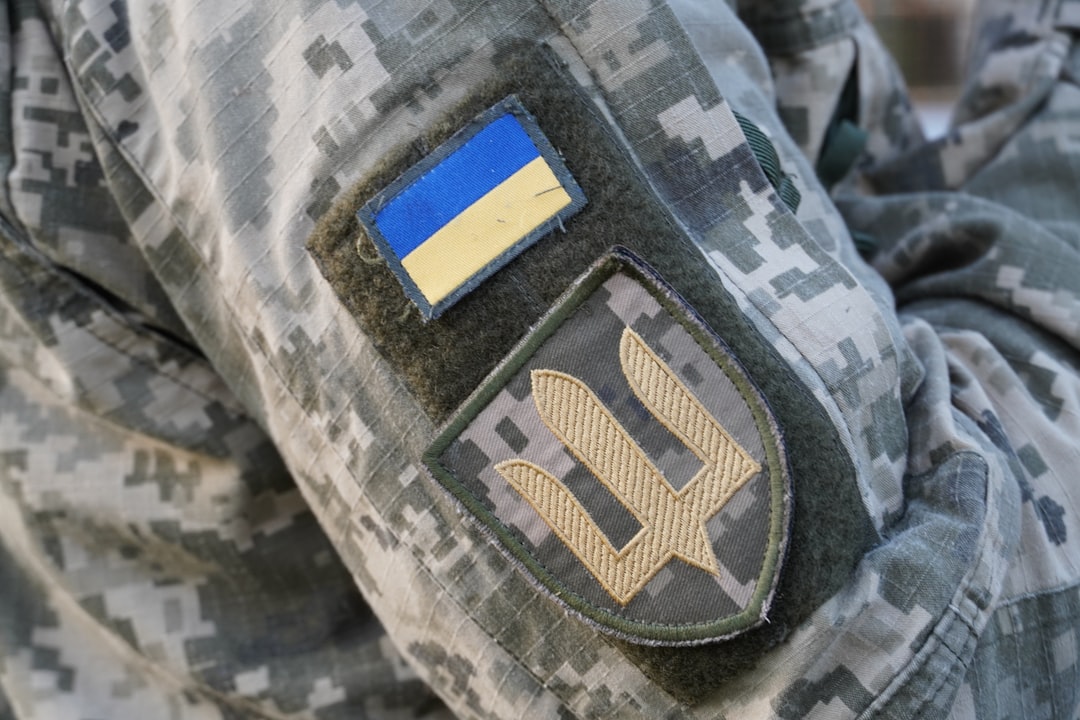
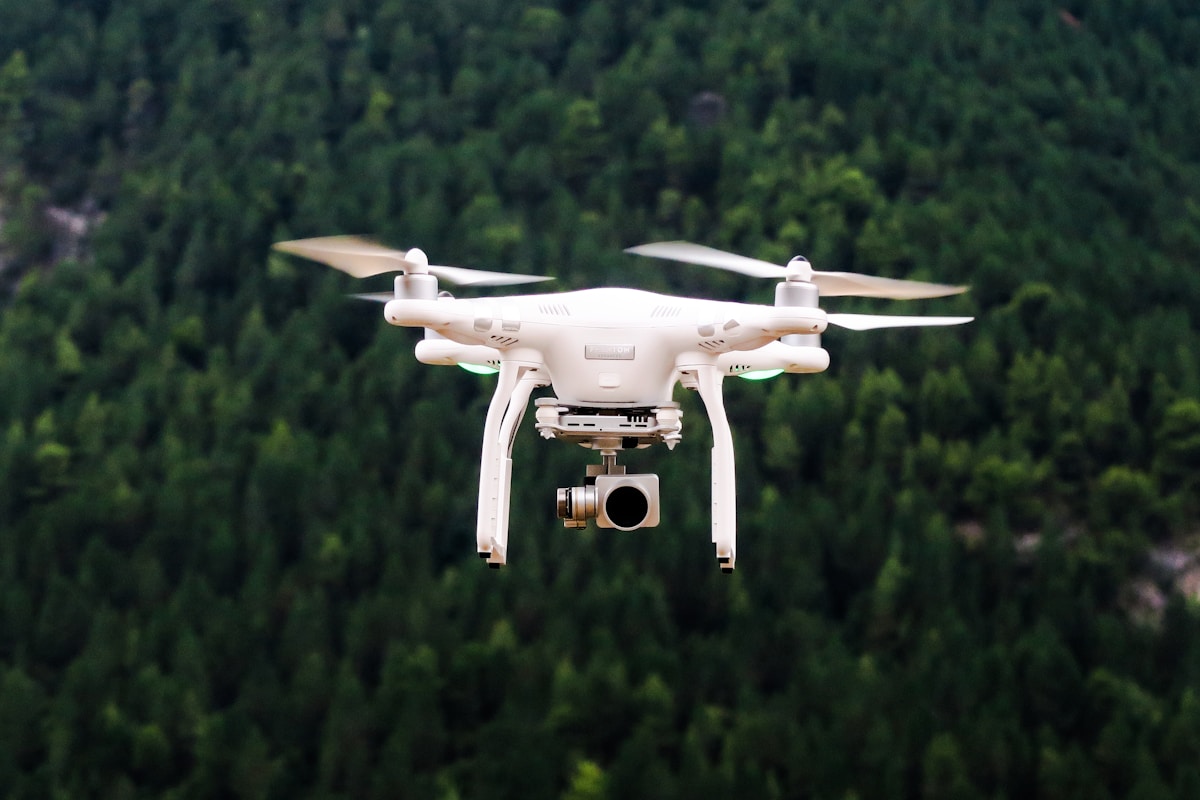
Ukraine has signed billion-dollar contracts with Qatar, Saudi Arabia, and the United Arab Emirates to export domestically produced interceptor drones, marking a historic shift from aid recipient to arms supplier in the global defense market.
The deals, announced this week by President Volodymyr Zelensky following his Middle East tour, center on Ukrainian-designed cheap interceptor drones proven effective against Iranian-made Shahed drones. The technology has already been deployed in combat, with footage emerging of a Ukrainian interceptor allegedly destroying a Shahed drone over Iraq.
"Export profits fund domestic production" has become the Ukrainian defense industry's new business model. Every drone sold at a profit allows Kyiv to reinvest in expanding manufacturing capacity, creating a sustainable cycle that reduces dependence on Western military aid while simultaneously meeting urgent demand from Gulf states facing their own Iranian drone threats.
The strategic timing is remarkable. As Iran supplies Russia with Shahed drones that strike Ukrainian cities nightly, Ukrainian engineers have developed cost-effective countermeasures that appeal to Middle Eastern nations confronting the same threat. Saudi Arabia and the UAE have faced repeated Houthi drone attacks on critical infrastructure, making Ukraine's battle-tested interceptors an attractive solution.
Zelensky's diplomatic approach has been notably pragmatic. Rather than simply requesting aid, he positioned Ukraine as a defense technology partner with unique expertise: rapid battlefield innovation under wartime pressure. Ukrainian interceptor drones cost a fraction of traditional air defense systems while achieving comparable results against low-altitude threats.
The deals also carry geopolitical significance beyond immediate revenue. They establish Ukraine as a long-term defense technology hub, creating relationships that may outlast the current conflict. Gulf states gain access to proven systems unavailable from traditional Western suppliers, while Ukraine diversifies its international partnerships beyond its European and North American allies.
In Ukraine, as across nations defending their sovereignty, resilience is not just survival—it's determination to build a better future. Ukrainian defense manufacturers have transformed wartime necessity into commercial opportunity, developing production systems that can scale for both domestic needs and export markets.
The interceptor drones utilize relatively simple technology—essentially a weaponized commercial drone platform with specialized targeting systems. This simplicity enables rapid production scaling and easy maintenance for international buyers. Ukrainian manufacturers claim they can deliver units at approximately one-tenth the cost of traditional surface-to-air missiles.
European defense analysts note the irony: Russia's full-scale invasion inadvertently created a Ukrainian defense innovation ecosystem that now competes globally. Flat organizational hierarchies, rapid prototyping cycles, and direct frontline feedback loops have given Ukrainian manufacturers advantages over traditional defense contractors bound by bureaucratic procurement processes.
The financial implications extend beyond immediate sales. Establishing Ukraine as a reliable defense supplier creates sustainable revenue streams independent of international aid budgets. As Western publics experience "Ukraine fatigue," Kyiv's ability to generate its own defense funding becomes strategically crucial.
Questions remain about production capacity. Can Ukrainian manufacturers meet Gulf state orders while maintaining supplies for domestic forces? Industry officials express confidence, noting that export contracts explicitly fund expansion of production facilities that benefit both foreign customers and Ukrainian forces.
The Middle East deals also demonstrate how Ukraine has reframed its international narrative. Rather than emphasizing victimhood, Zelensky's government highlights Ukrainian agency, innovation, and capability. This approach resonates with potential partners seeking reliable defense suppliers rather than aid recipients.
For Gulf states, the Ukrainian partnership offers advantages beyond cost. Western nations often attach human rights conditions or geopolitical restrictions to arms sales. Ukrainian manufacturers, focused on survival and reconstruction funding, offer fewer complications while delivering proven battlefield technology.
The transformation from aid recipient to arms exporter represents more than economic development—it signals Ukraine's determination to emerge from this war as a strengthened, technologically advanced nation integrated into global markets. As one Ukrainian defense official noted, "We're not just fighting to survive. We're building the country that comes after victory."