Four years after Russian tanks rolled across the Ukrainian border in what Moscow termed a brief "special military operation," the Kremlin has issued a rare public acknowledgment that its war objectives remain unachieved—a stunning admission that underscores the comprehensive failure of Vladimir Putin's strategic gamble.
Speaking to reporters on Monday, Kremlin spokesman Dmitry Peskov declared that "goals have not been fully achieved, so the special military operation continues." The statement, reported by Ukrainian Pravda, marks a significant departure from Moscow's previous insistence that the campaign was proceeding according to plan.
To understand today's headlines, we must look at yesterday's decisions. In February 2022, Western intelligence agencies predicted Kyiv would fall within 72 hours. Russian forces were expected to decapitate the Ukrainian government, install a puppet regime, and absorb the country into Moscow's sphere of influence with minimal resistance. Instead, Ukraine has not only survived but evolved into one of Europe's most battle-hardened military powers.
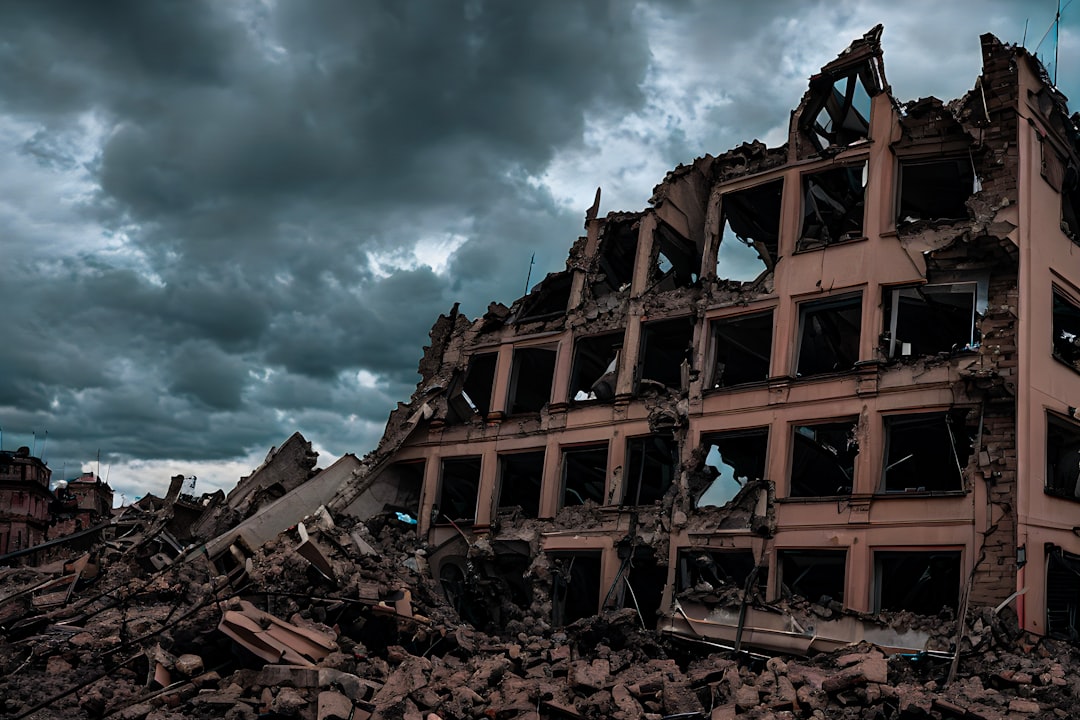
Peskov attempted to frame Russia's partial occupation of Ukrainian territory as "ensuring security of people who lived and live in the east of Ukraine," a characterization that ignores the extensive evidence of war crimes, forced deportations, and the systematic destruction of Ukrainian cities documented by international observers.
The admission comes as Putin called for total societal militarization on February 23, signaling Moscow's recognition that the conflict has become a war of attrition that Russia cannot quickly win. Despite controlling approximately 18 percent of Ukrainian territory, Russia has failed to achieve any of its stated war aims: it has not toppled President Volodymyr Zelenskyy, has not prevented NATO expansion—indeed, Finland and Sweden have since joined the alliance—and has not broken Ukrainian national identity.
The human cost has been staggering on both sides. Western intelligence estimates suggest Russian casualties exceed 400,000 killed and wounded, while Ukraine has suffered tens of thousands of military deaths and endured extensive civilian casualties from missile strikes on cities far from the front lines.
President Zelenskyy rejected any territorial concessions in response to Peskov's comments, asserting that Ukraine will not trade land for a ceasefire. "Putin shows no genuine intent to end the conflict," Zelenskyy stated, according to Reuters.
French President Emmanuel Macron, speaking in Kyiv alongside other European leaders on the war's fourth anniversary, characterized the invasion as a "triple failure for Russia"—militarily, economically, and diplomatically. Europe's response has indeed reshaped the continent's security architecture, with defense spending surging across NATO members and the European Union accelerating its own military integration.
Yet Peskov deflected responsibility for the war's continuation, claiming that "everything depends on the actions of the Kyiv regime." This rhetoric continues Moscow's pattern of projecting its own intransigence onto Ukraine, even as Russian forces continue daily bombardments of Ukrainian cities and infrastructure.
The Kremlin's admission arrives amid circulating Western media reports of "peace plans" proposing front-line freezes and demilitarized zones within Ukrainian territory—proposals that Kyiv views as rewarding aggression and guaranteeing future conflict.
As I witnessed during previous conflicts in the Balkans and Caucasus, partial territorial settlements without genuine security guarantees merely create the conditions for renewed violence. Ukraine's refusal to accept such terms reflects this hard-learned lesson of European history.
The war's trajectory now depends on whether Western military aid continues at levels sufficient to enable Ukrainian counteroffensives, and whether Russia's war economy can sustain losses that would have been unthinkable in any previous modern conflict. Four years in, the only certainty is that Putin's "special military operation" has become a generational catastrophe for both nations.