Slovakia's opposition has filed formal criminal complaints against Prime Minister Robert Fico for high treason, terrorism support, and crimes against humanity, accusing him of undermining national security through alignment with Russia while Moscow wages war against neighboring Ukraine.
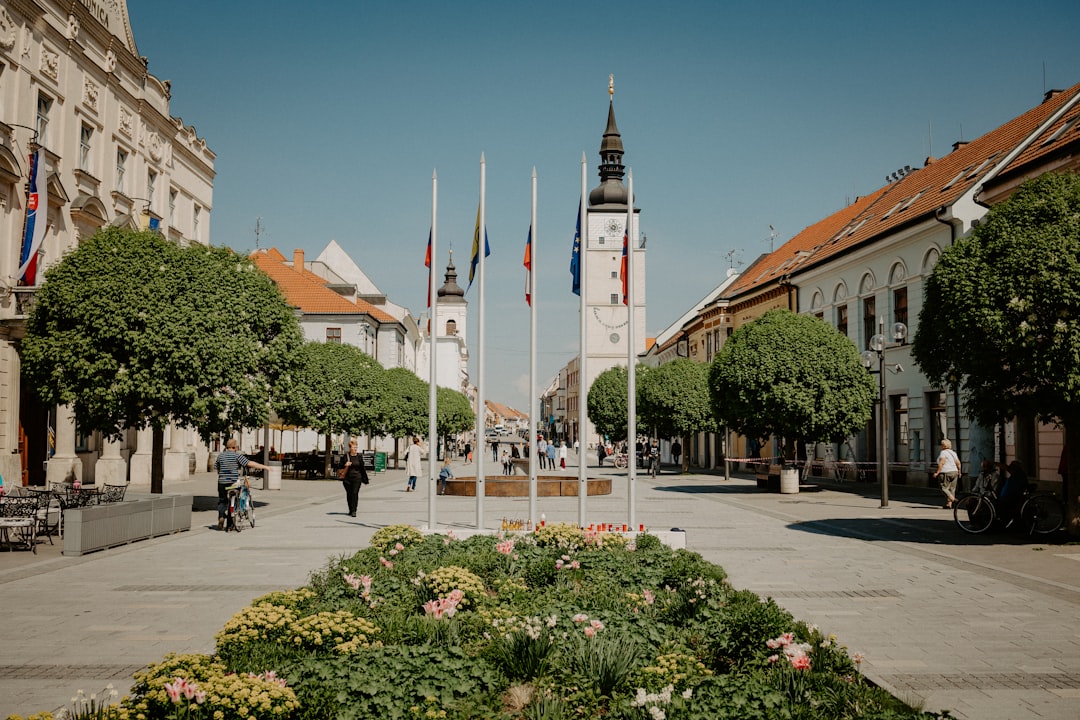
The SaS (Freedom and Solidarity) party submitted the complaints to Slovakia's Prosecutor General on Monday, according to Slovak media outlet Týždeň, marking an unprecedented escalation in the constitutional crisis gripping this NATO member state of 5.4 million.
To understand today's headlines, we must look at yesterday's decisions. Fico returned to power in 2023 on a platform explicitly opposing military aid to Ukraine and criticizing EU sanctions on Russia. Since taking office, he has halted Slovak weapons deliveries to Kyiv, questioned Ukraine's territorial integrity, and maintained regular contact with Moscow—policies that align him with Hungarian Prime Minister Viktor Orbán as NATO's primary internal dissenters on Russia policy.
The opposition's legal complaint centers on several specific allegations. First, that Fico's public statements questioning sanctions and expressing sympathy for Russian positions constitute "providing aid and comfort to a hostile foreign power." Second, that his government has obstructed the transit of Western military aid to Ukraine through Slovak territory. Third, that he has shared intelligence assessments with unauthorized parties, potentially compromising NATO operations.
The treason charge carries particular weight under Slovak constitutional law, which defines the offense as actions that threaten the sovereignty, territorial integrity, or defense capacity of the state. Legal experts are divided on whether Fico's Russia-friendly policies meet this threshold, but the complaint will force prosecutors to publicly assess evidence.
SaS party leader Branislav Gröhling framed the filing as a last resort after parliamentary mechanisms proved insufficient. "When the prime minister actively undermines our alliances and supports a regime waging genocidal war, we have a constitutional duty to act," he stated at a press conference in Bratislava.
The allegations extend beyond policy disagreement into potential criminal conduct. The opposition claims to possess evidence that Fico accepted undisclosed meetings with Russian officials and may have coordinated positions with Moscow before EU Council sessions—actions that could constitute espionage if proven.
Slovakia's Prosecutor General, a Fico appointee, will determine whether to open formal investigations. Given the political stakes, most observers expect the complaints to be dismissed or indefinitely delayed. However, the public filing creates a permanent record that opposition parties can leverage in the 2027 parliamentary elections.
The political crisis reflects deeper fractures in Slovak society. Fico retains substantial support among voters skeptical of Western involvement in Ukraine and resentful of Brussels' influence over Slovak policy. Yet opinion polls suggest a narrow majority opposes his Russia orientation, particularly among younger voters and urban populations.
NATO officials have expressed private concern about Slovakia's reliability as an alliance member, particularly given its strategic position bordering Ukraine. Unlike Hungary, which occupies NATO's southern flank, Slovakia sits on critical supply routes for Western military aid and hosts radar installations integral to alliance air defense.
The case draws uncomfortable parallels to interwar European politics, when small states navigated between great powers through combinations of alignment and appeasement. Fico frames his Russia policy as pragmatic neutrality that preserves Slovak energy security and trade relationships. Critics see it as a betrayal of Slovakia's post-communist democratic transition and integration into Western institutions.
I covered Slovakia's 2014 presidential election and subsequent political turbulence, and the pattern has been consistent: oscillation between pro-Western reformers and populist nationalists who view EU and NATO membership as constraints rather than achievements. Fico represents the latter tradition, but with the added complication of Russia actively waging war on Europe's eastern frontier.
The criminal complaints are unlikely to result in Fico's prosecution, much less conviction. But they formalize opposition allegations and ensure that Slovakia's Russia alignment remains a central political battlefield heading into the next electoral cycle. For Brussels and Washington, the challenge is managing a NATO ally whose prime minister faces credible accusations of working against alliance interests—a problem with no clear institutional solution.