Iran is on the verge of securing a major weapons agreement with China for advanced supersonic anti-ship missiles, a development that could fundamentally alter the strategic balance in the Persian Gulf and threaten the passage of 20% of global oil supplies through the Strait of Hormuz.
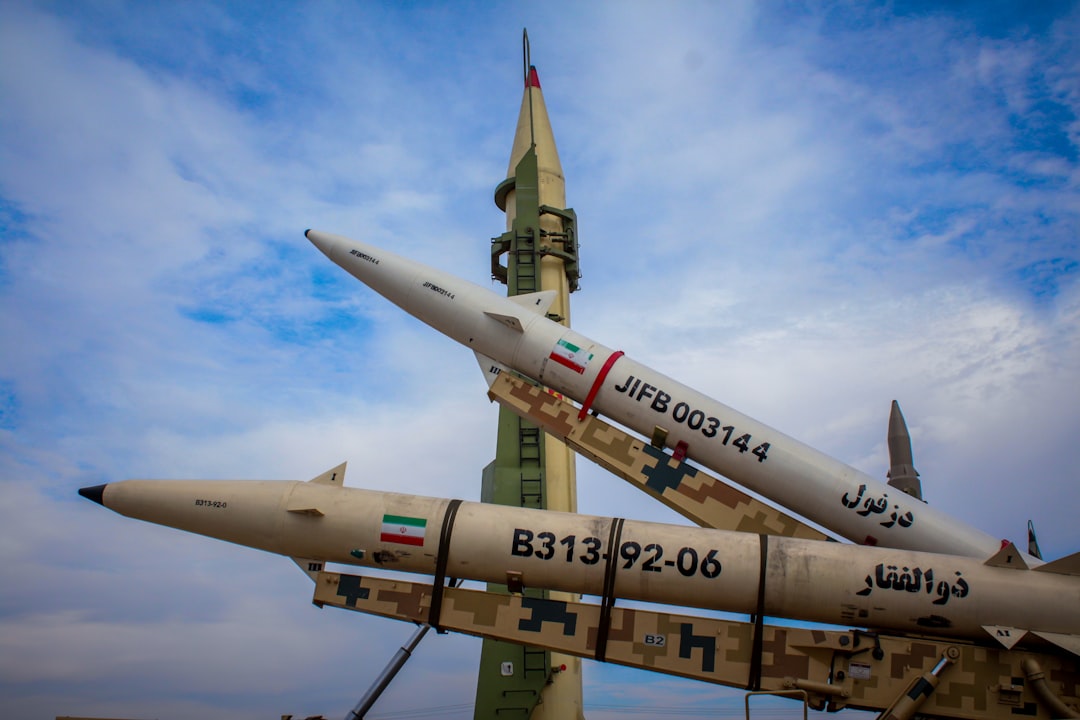
According to Reuters, citing Western intelligence assessments, Tehran is negotiating to acquire variants of China's YJ-12 supersonic cruise missile system, which travels at speeds exceeding Mach 3 and employs advanced guidance systems designed to defeat naval air defense networks.
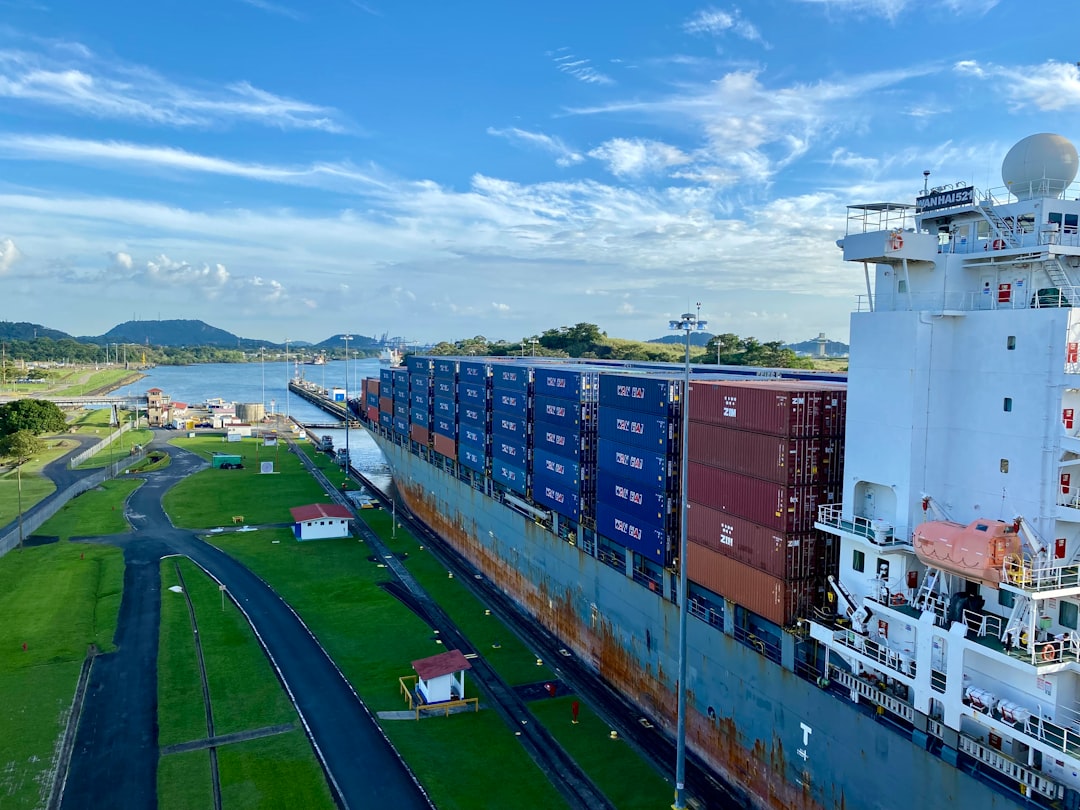
To understand today's headlines, we must look at yesterday's decisions. The Strait of Hormuz, the 21-mile-wide waterway separating Iran from the Arabian Peninsula, has long been the world's most critical energy chokepoint. Any credible Iranian capability to deny passage would grant Tehran unprecedented leverage over global energy markets and the economies that depend on Gulf oil exports.
The YJ-12 missile represents a qualitative leap beyond Iran's existing anti-ship arsenal, which primarily consists of Chinese C-802 variants and domestically produced derivatives. While effective against commercial shipping and smaller naval vessels, these subsonic systems are increasingly vulnerable to modern air defense systems deployed by US Navy carrier strike groups and regional allies.
Supersonic missiles, traveling at three times the speed of sound at sea-skimming altitudes, compress defensive reaction times from minutes to seconds. The YJ-12's ramjet propulsion and terminal maneuvering capabilities specifically target the detection-to-engagement window that current naval defenses rely upon. Western naval analysts consider such systems among the most credible threats to carrier operations in confined waters.
The proposed transfer reflects deepening China-Iran strategic cooperation as both nations position themselves in opposition to US regional influence. Beijing has dramatically expanded economic ties with Tehran since the 2021 comprehensive strategic partnership, including oil purchases that sustain the Iranian economy despite Western sanctions.
For China, arming Iran serves multiple strategic objectives. It complicates US military planning in the Gulf, diverting naval assets that might otherwise deploy to the South China Sea or Taiwan Strait. It provides Beijing with leverage over global energy markets without direct confrontation. And it deepens Iranian dependence on Chinese military technology, binding Tehran closer into Beijing's geopolitical orbit.
US officials have warned China that missile transfers would trigger sanctions and potentially violate UN Security Council Resolution 2231, which imposed restrictions on Iranian weapons acquisitions until October 2020. However, that resolution has expired, leaving Western powers with limited legal mechanisms to prevent the transaction beyond bilateral pressure on Beijing.
Gulf Arab states, particularly Saudi Arabia and the United Arab Emirates, view the potential Iranian acquisition with alarm. Both nations have invested heavily in missile defense systems, but supersonic anti-ship missiles operating from Iranian coastal batteries would threaten Gulf oil exports and civilian maritime traffic regardless of political tensions with Tehran.
Israeli officials, speaking anonymously to Western media, indicated that preemptive strikes remain under consideration if the missile transfer proceeds. Israel has repeatedly demonstrated willingness to attack Iranian military capabilities it deems existential threats, including multiple strikes on weapons convoys in Syria over the past decade.
The timing of the potential deal coincides with broader Iranian military modernization efforts funded by sanctions relief and increased oil revenues. Tehran has also expanded its drone arsenal, supplied weapons to proxy forces across the region, and advanced its nuclear program to near-breakout capability—all of which contribute to what regional analysts describe as an escalating arms race.
From my reporting in the Gulf during the 2019 tanker attacks, I observed how even limited Iranian capability to threaten shipping triggered massive insurance rate increases and global oil price volatility. Credible supersonic anti-ship missiles would magnify these effects exponentially, potentially making commercial shipping uninsurable during periods of tension.
The US Navy maintains substantial presence in the Gulf through the Fifth Fleet, headquartered in Bahrain, and regularly transits carrier strike groups through the Strait of Hormuz as freedom-of-navigation demonstrations. The introduction of Chinese supersonic missiles would not prevent these operations but would significantly increase their risk, potentially forcing changes in US force posture and operational planning.
For global energy markets, the strategic calculus is straightforward: any weapon system that increases the credibility of Iranian threats to Gulf shipping raises the risk premium on oil prices. Even without actual conflict, the perception of increased danger drives speculation and volatility in energy markets that affect every oil-importing economy.
Whether the missile deal ultimately concludes depends on China's assessment of costs versus benefits. Beijing has historically calibrated arms sales to avoid triggering responses that outweigh strategic gains. Yet with US-China relations already strained across multiple domains, Chinese leadership may calculate that Western reactions to Iranian missile sales cannot worsen an already adversarial relationship.