Canada is preparing a comprehensive aid package for Cuba as the island nation faces severe fuel shortages exacerbated by tightening US embargo enforcement, marking a rare instance of Ottawa breaking ranks with Washington on hemispheric policy.
The assistance package, confirmed by the Associated Press, will include emergency fuel supplies, medical equipment, and technical assistance for Cuba's deteriorating power infrastructure—aid that directly contradicts US policy aimed at pressuring Havana through economic isolation.
To understand today's headlines, we must look at yesterday's decisions. The US embargo against Cuba, in place since 1962, has survived 12 American presidencies and remains the longest-standing trade embargo in modern history. Yet Canada has consistently rejected the embargo's legitimacy, maintaining diplomatic and commercial relations with Cuba throughout the Cold War and beyond.
The current crisis stems from Venezuela's collapsing oil production, which historically provided Cuba with heavily subsidized petroleum in exchange for medical personnel and technical assistance. As Venezuelan output has declined, Cuba has struggled to secure alternative fuel supplies, with US sanctions further constraining potential suppliers who fear secondary sanctions for trading with Havana.
Canadian Foreign Minister Mélanie Joly framed the aid as humanitarian assistance rather than political positioning, emphasizing that "Canadians cannot stand by while ordinary Cubans suffer energy shortages that threaten health care and basic services." Yet the decision unavoidably carries political implications, particularly as US-Canada relations face strain over trade disputes and defense spending.
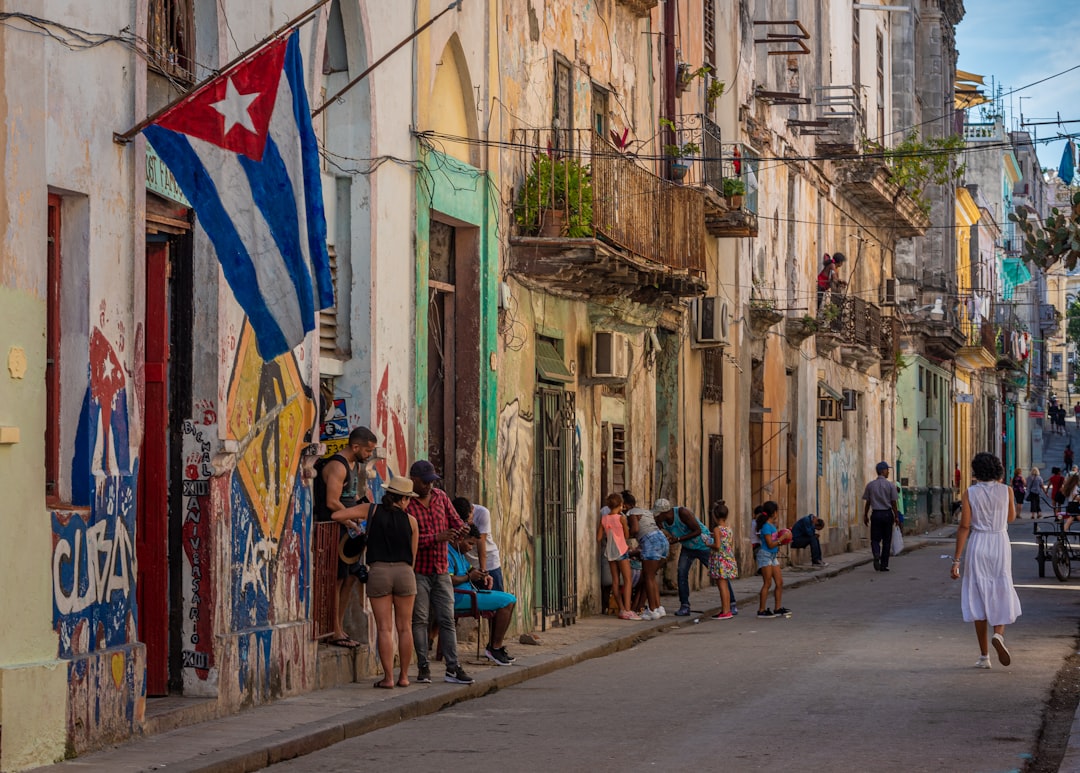
The fuel crisis has produced cascading effects across Cuban society. Extended power blackouts have shuttered businesses, disrupted water supplies dependent on electric pumps, and forced hospitals to rely on aging backup generators. The Cuban government, facing its worst economic crisis since the 1990s "Special Period" following the Soviet Union's collapse, has proven unable to resolve the shortages through domestic measures.
Washington has not officially commented on the Canadian aid package, but US officials have previously criticized third-party assistance to Cuba as undermining pressure on the communist government to implement democratic reforms. The Trump administration significantly tightened embargo enforcement, reversing Obama-era liberalization and adding Cuba to the State Sponsors of Terrorism list—a designation that further complicates international financial transactions.
For Canada, the Cuba relationship carries both historical and symbolic weight. Ottawa's refusal to participate in the embargo has long served as a marker of independent foreign policy distinct from automatic alignment with US positions. Canadian tourists represent the largest contingent of foreign visitors to Cuba, and bilateral trade, while modest, has remained consistent even during periods of Cuban economic crisis.
The aid package reflects broader fractures in North American unity on Latin American policy. Mexico under President Andrés Manuel López Obrador has similarly maintained warm relations with Cuba despite US disapproval, hosting Cuban officials and facilitating trade that provides limited relief from embargo pressure.
Cuban dissidents and exile communities in Florida have condemned the Canadian assistance, arguing that it props up an authoritarian regime rather than helping ordinary Cubans. Carlos Gutierrez, a former US Commerce Secretary and prominent Cuban-American, characterized aid packages as "subsidizing repression while the regime exports doctors as indentured servants."
Yet humanitarian organizations note that embargo-driven shortages disproportionately harm vulnerable populations with no agency over government policies. Medical supply shortages have led to increases in preventable deaths, while fuel scarcity has disrupted agricultural production in a nation already facing chronic food shortages.
The Canadian decision arrives amid renewed debate over the embargo's effectiveness and morality. The United Nations General Assembly has voted overwhelmingly against the embargo for 30 consecutive years, with only the United States and Israel consistently opposing condemnation. Even some US policy analysts now question whether six decades of economic isolation has achieved any meaningful political reform in Havana.
From my reporting in Havana during the Obama normalization period, I observed how temporary loosening of restrictions produced genuine improvements in ordinary Cubans' material conditions without triggering the regime collapse that embargo advocates predicted. The subsequent re-tightening under Trump demonstrably worsened humanitarian conditions without producing political change.
For Canada, the calculation is straightforward: provide assistance that aligns with humanitarian values while accepting whatever diplomatic friction emerges with Washington. For Cuba, Canadian aid provides limited relief but cannot substitute for the comprehensive economic reforms and international reintegration the island desperately needs.
The broader question is whether Washington will interpret Canadian aid as unacceptable interference in US hemispheric policy, or whether the Biden administration—which has shown limited interest in Cuba policy—will simply ignore Ottawa's independent approach. Either way, the episode demonstrates that even close allies increasingly chart their own courses when American policy appears ineffective or morally questionable.