
The United Arab Emirates intercepted 125 drones and six ballistic missiles on Thursday in what marks the largest single-day air defense operation in the nation's history, as regional conflict with Iran intensifies.
Six people were injured in Abu Dhabi when debris from intercepted drones fell in two locations, marking the first casualties from the escalating attacks, according to The National. The injuries underscore the scale of the assault despite the Emirates' sophisticated air defense systems.
"This represents an unprecedented volume of threats," said defense analyst Michael Knights of the Washington Institute. "The UAE's integrated air defense demonstrated exactly what it was designed for—but the sheer numbers reveal Iran's determination to overwhelm Gulf defenses."
The Emirates has invested billions in layered air defense capabilities including THAAD (Terminal High Altitude Area Defense) systems and Patriot batteries, alongside its own air force assets. Thursday's interceptions validated those investments while exposing the vulnerability even advanced systems face against saturation attacks.
In the Emirates, as across the Gulf, ambitious visions drive rapid transformation—turning desert into global business hubs. But the attacks threaten Dubai's carefully cultivated image as a stable business environment and safe haven for international capital.
"Business confidence is everything in this market," said Sarah Mitchell, regional director at consultancy Oxford Business Group. "The UAE has built its economy on being the region's safe bet. Direct attacks, even unsuccessful ones, challenge that fundamental premise."
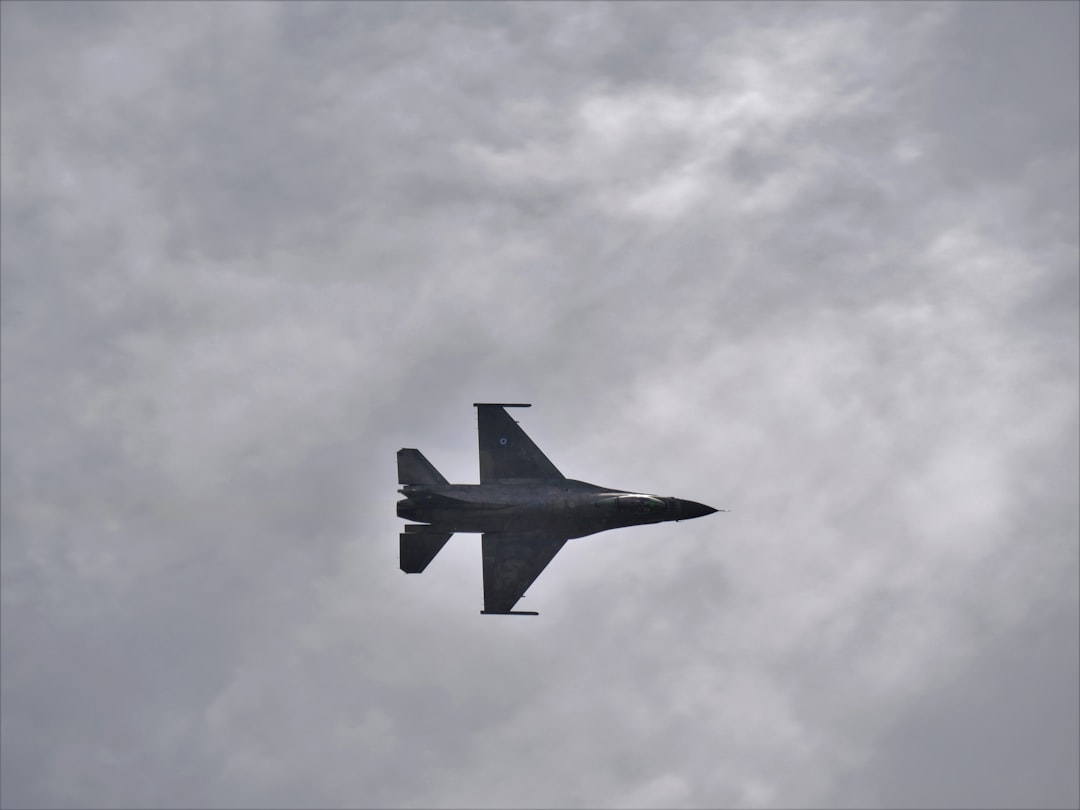
The UAE Ministry of Interior confirmed the interceptions via official channels, noting that air defense forces remain on maximum alert. Sonic booms from fighter jets conducting combat air patrols rattled windows across Dubai and Abu Dhabi throughout the day as UAEAF aircraft maintained continuous presence overhead.
The Emirates' geographic position makes it particularly vulnerable to Iranian drone and missile attacks. Located across the Persian Gulf from Iran, the UAE is within range of Tehran's expanding arsenal of unmanned aerial vehicles and ballistic missiles—capabilities Iran has steadily refined through conflicts in Yemen, Syria, and Iraq.
The attacks also test the UAE's delicate diplomatic positioning. The Emirates has pursued pragmatic engagement with both Iran and the West, seeking to maintain trade relationships while hosting U.S. military facilities. The Abraham Accords normalized relations with Israel in 2020, adding another layer to regional tensions.
"The UAE finds itself directly in the crosshairs of a conflict it worked hard to stay out of," noted Kristian Coates Ulrichsen of Rice University's Baker Institute. "This is precisely the scenario Emirati leadership hoped to avoid through careful diplomacy."
Economic implications are already emerging. Several international companies with regional headquarters in Dubai activated contingency plans, with some staff relocated to safer locations. The Dubai Financial Centre and Abu Dhabi Global Market—the two financial free zones that anchor the UAE's ambitions as a global financial hub—both issued statements emphasizing operational continuity.
Air traffic disruptions rippled across the region as airlines rerouted flights to avoid UAE airspace. Dubai International Airport, the world's busiest for international passengers, experienced significant delays and cancellations, though operations continued with enhanced security protocols.
The defense cooperation extends beyond hardware. France deployed Rafale jets to support UAE air defense operations, while United States forces at Al Dhafra Air Base provided intelligence and surveillance support. The multilateral response reflects the UAE's strategic importance and the international stakes in Gulf stability.
For residents, the attacks transformed daily life. Social media filled with videos of interceptions lighting up night skies and accounts of families sheltering as warning sirens sounded. The psychological impact on a population unaccustomed to conflict—particularly the large expatriate community comprising 90% of UAE residents—cannot be understated.
"We moved here for stability and opportunity," said Ravi Sharma, an Indian expatriate working in Dubai's technology sector. "Hearing air defense missiles and seeing fighter jets overhead fundamentally changes that calculation."
The UAE's response strategy balances military defense with economic messaging. While air defense systems engage threats overhead, government communications emphasize resilience and continuity—seeking to prevent panic while acknowledging the serious security situation.
Looking ahead, the Emirates faces difficult choices. Escalating defensive operations risk drawing the nation deeper into regional conflict. Yet insufficient response endangers both citizens and the economic model built on stability and openness to global business.
The coming days will test whether the UAE's diversified economy and modern infrastructure can withstand the pressures of sustained conflict—or whether the vision of Gulf business hubs transcending regional turbulence proves vulnerable to the hard realities of Middle Eastern geopolitics.