
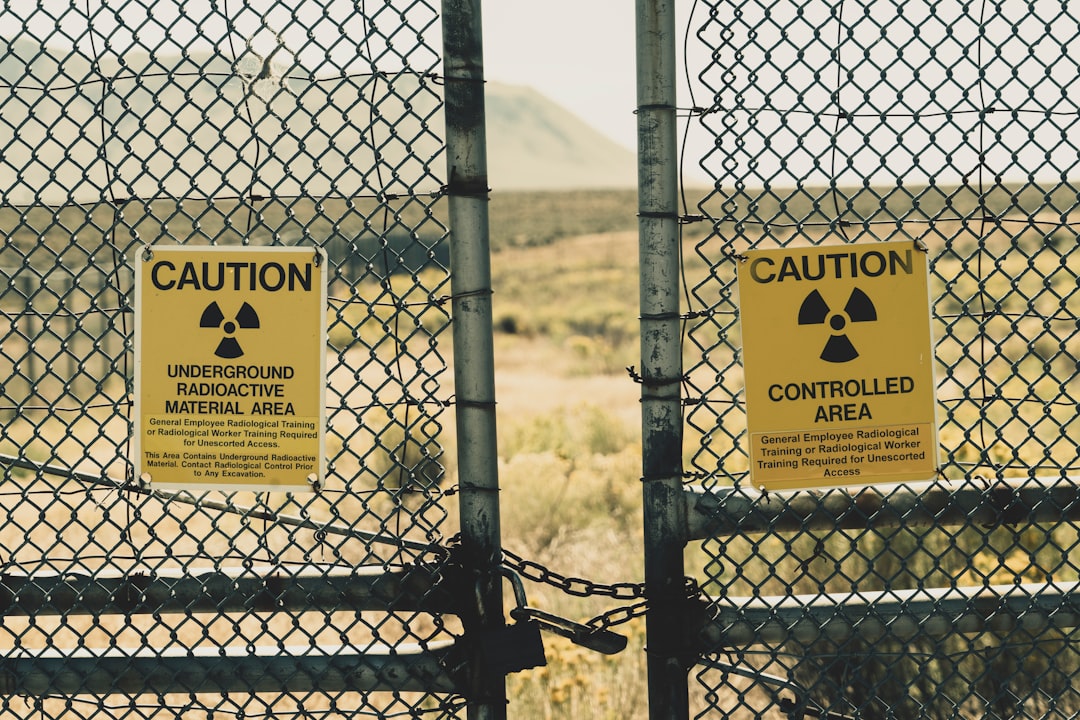
A US federal court has convicted a Japanese organized crime boss for conspiring to traffic nuclear materials to Iran, exposing the shadowy networks Tehran uses to circumvent international sanctions and advance its nuclear ambitions.
The conviction, announced Wednesday by the Justice Department, reveals sophisticated collaboration between state actors and criminal organizations in nuclear proliferation, demonstrating how Iran has turned to underworld networks to acquire materials and technology that legitimate channels deny them.
According to CBS News, Takeshi Ebisawa, identified as a senior member of the Yakuza organized crime syndicate, was found guilty of conspiring to traffic uranium and plutonium from Myanmar to Iran. The scheme involved multiple intermediaries across Asia and attempted to leverage criminal networks' ability to move contraband across borders without official oversight.
To understand today's headlines, we must look at yesterday's decisions. Iran's nuclear program has operated under increasingly stringent international sanctions since 2006, when the UN Security Council first imposed restrictions following Tehran's refusal to suspend uranium enrichment. These sanctions specifically target Iran's ability to acquire nuclear materials, technology, and expertise from legitimate international sources.
Faced with such restrictions, Iran has allegedly developed alternative procurement networks involving front companies, sanctions evasion specialists, and, as the Yakuza case demonstrates, organized crime syndicates willing to traffic in nuclear materials. This represents proliferation through criminal channels, a nightmare scenario that arms control experts have long warned about.
The investigation leading to Ebisawa's conviction began with information from Myanmar authorities, who discovered individuals attempting to acquire radioactive materials from abandoned facilities. Undercover DEA agents, posing as arms dealers with Iranian connections, engaged with the network over several years, documenting the conspiracy through recorded conversations and monitored transactions.
According to court documents, Ebisawa and his associates believed they were arranging sales of uranium and weapons-grade plutonium to Iranian buyers. The materials they attempted to provide were of Myanmar origin, likely stemming from that nation's defunct nuclear research program. While the actual radioactive materials involved were not weapons-grade, the conspiracy demonstrated intent and capability to traffic in such substances.
The conviction carries profound implications for nuclear non-proliferation efforts. If criminal organizations possess the connections and logistical capability to move nuclear materials internationally, the safeguards system designed to prevent proliferation faces a severe vulnerability that technical controls cannot address.
Japanese officials expressed concern about the Yakuza's involvement in international nuclear trafficking. While organized crime groups in Japan have historically focused on domestic activities including gambling, extortion, and drug distribution, the Ebisawa case suggests evolution toward international operations in high-value, high-risk contraband.
The Iranian connection is particularly troubling given the current crisis. If Tehran has been actively using criminal networks to acquire nuclear materials, it suggests the Iranian nuclear program may be more advanced than international inspectors have been able to verify. The recent Israeli-American strikes targeted declared nuclear facilities, but materials acquired through smuggling would likely be processed at undeclared sites unknown to intelligence agencies.
Arms control experts note that the criminal-state collaboration in nuclear trafficking represents a dangerous convergence. States provide the funding and end-use for materials, while criminal networks provide the smuggling expertise and international connections needed to move contraband undetected. Together, they create proliferation pathways that evade traditional controls.
The case also raises questions about Myanmar, which has been politically isolated since its 2021 military coup. The apparent availability of nuclear materials in Myanmar suggests inadequate controls over radioactive substances from the country's former nuclear research program. International atomic energy officials have had limited access to Myanmar facilities since the coup, creating a potential source of uncontrolled nuclear materials.
Ebisawa faces a potential sentence of life imprisonment when sentenced later this year. However, the conviction of one criminal facilitator does little to disrupt the broader networks that enable nuclear trafficking. The case likely represents one of many similar operations, most of which remain undetected by law enforcement.
The Justice Department credited international cooperation for the successful investigation, noting that authorities in Myanmar, Japan, Thailand, and other nations provided crucial assistance. However, the years-long investigation required to build the case demonstrates the difficulty of detecting and disrupting such conspiracies before materials actually transfer hands.
For Iran, the exposure of criminal procurement networks creates both problems and opportunities. While this particular channel has been disrupted, the publicity may deter other criminal organizations from engaging with Iranian buyers. However, it also demonstrates to Tehran that such alternative channels exist and can operate for years before detection.
The Ebisawa conviction arrives at a moment when Iran's nuclear program faces unprecedented military pressure. Yet even as Israeli and American strikes target known facilities, the specter of hidden materials acquired through smuggling networks suggests that destroying the Iranian nuclear program may be far more complex than striking declared sites would indicate.