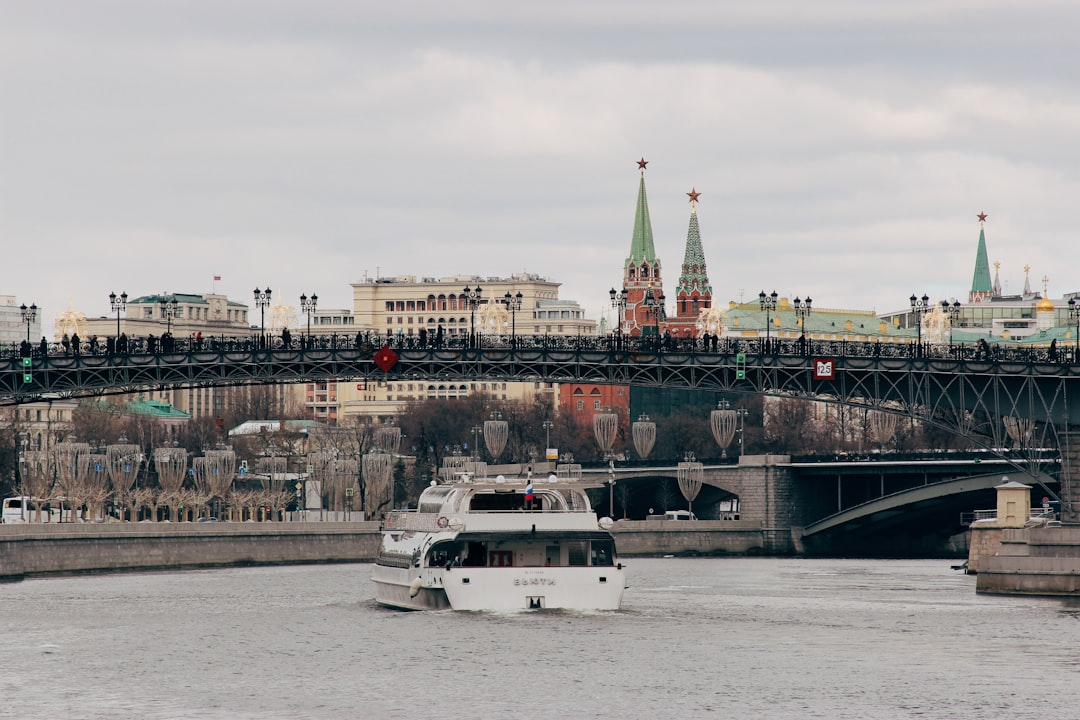
Moscow has begun automatically barring men from leaving the country if they fail to respond to military enlistment summons, dramatically tightening conscription enforcement in what represents the most severe mobilization restrictions since Soviet times.
The new policy, which took effect this week, eliminates the previous requirement for authorities to obtain court orders before restricting travel. Now, any military-age male who ignores an enlistment notice will find himself automatically prohibited from leaving Russia, effectively turning the country into a closed state for draft-eligible citizens.
According to United24 Media, the automated system links military registration databases directly to border control systems, enabling real-time identification of individuals subject to travel restrictions. Men attempting to leave Russia through airports, land borders, or seaports are now checked against enlistment records, with departure denied to anyone who has received but not responded to military summons.
To understand today's headlines, we must look at yesterday's decisions. Russia's military manpower situation has grown increasingly desperate as the Ukraine war grinds into its fifth year. Despite official claims of maintaining force levels through voluntary recruitment, independent assessments suggest Russian forces have suffered casualties exceeding 400,000 killed and wounded, creating a persistent need for replacements.
The September 2022 partial mobilization, which officially called up 300,000 reservists but likely drafted many more, triggered an exodus of military-age Russian men. Estimates suggest between 700,000 and one million Russians fled the country in late 2022, primarily to Kazakhstan, Georgia, Armenia, and Turkey. Many of those who left were precisely the educated, skilled workers the military sought to conscript.
The new automated travel ban system aims to prevent any similar exodus should Moscow announce additional mobilization waves. By linking enlistment records directly to border controls, authorities ensure that men cannot flee before being conscripted, closing the escape route that hundreds of thousands used in 2022.
The policy affects not only those who have received formal enlistment summons but potentially any military-age male whose registration information is incomplete or outdated. Russian law requires all men aged 18-27 to register with military enlistment offices and maintain current address information. Failure to update records can now result in travel restrictions even without formal conscription notices.
Human rights organizations have condemned the automated ban system as a severe restriction on freedom of movement. Memorial, one of Russia's oldest human rights groups now operating in exile, described the policy as "turning Russia into an open-air prison for young men." The organization noted that the system provides no effective mechanism for appeal or judicial review before travel rights are revoked.
The practical implications extend beyond military service itself. Russian men who might legitimately need to travel abroad for work, education, or family emergencies now face potential denial at borders due to incomplete military paperwork or bureaucratic errors. The automated nature of the system means border guards have no discretion to allow travel even in compelling circumstances.
The policy also creates opportunities for corruption. Military enlistment officers now possess extraordinary power over men's freedom of movement, creating incentives for bribery. Independent Russian media outlets have reported cases of enlistment officials demanding payments to "resolve" registration issues that might otherwise trigger travel bans.
The restrictions reflect Russia's increasingly militarized society as the war in Ukraine continues indefinitely. What began as a "special military operation" expected to last weeks has evolved into a full-scale conventional war requiring sustained mobilization of national resources and manpower.
Demographic implications of the travel bans may prove significant. Russia already faces severe population decline due to low birth rates and emigration. Preventing young men from leaving could slow emigration but may accelerate brain drain as those with means find ways to permanently relocate before reaching draft age or after completing military service.
The policy also affects Russia's already strained relations with neighboring countries. Kazakhstan, which shares a 7,600-kilometer border with Russia and hosts a large Russian diaspora, has expressed concern about being caught between humanitarian obligations to Russian refugees and diplomatic pressure from Moscow to refuse them sanctuary.
Western officials view the travel ban system as evidence that Russia's manpower situation is more dire than Kremlin acknowledges. If voluntary recruitment were meeting military needs, such draconian measures would be unnecessary. The automated bans suggest Moscow anticipates needing to conscript significantly more men despite knowing such mobilization is politically unpopular.
For ordinary Russian men, the message is clear: the state's claim on their military service now supersedes their freedom of movement, and the window for avoiding conscription by leaving the country has closed. Whether this will prove sufficient to meet the military's manpower needs, or merely trap unwilling conscripts in a country they desperately wish to leave, remains to be seen.