
If you woke up this weekend wondering why everyone's talking about some strait you've never heard of, here's the short version: the global oil supply just got cut by 20%, and Donald Trump is the one who did it.
On Saturday, Trump announced via Truth Social that the U.S. Navy will blockade the Strait of Hormuz - a narrow waterway between Iran and Oman that's basically the most important shipping lane on the planet. Why? Because peace talks with Iran collapsed in Pakistan, and the administration decided a total blockade was the next move.
"Effective immediately, the United States Navy, the Finest in the World, will begin the process of BLOCKADING any and all Ships trying to enter, or leave, the Strait of Hormuz," Trump posted. "Iran will not be allowed to profit off this Illegal Act of EXTORTION."
What Does This Actually Mean?
About 20% of the world's oil flows through Hormuz. That's roughly 20 million barrels per day - oil that heats homes in Europe, powers factories in Asia, and yes, ends up in your gas tank. When you choke off that supply, prices go vertical. Fast.
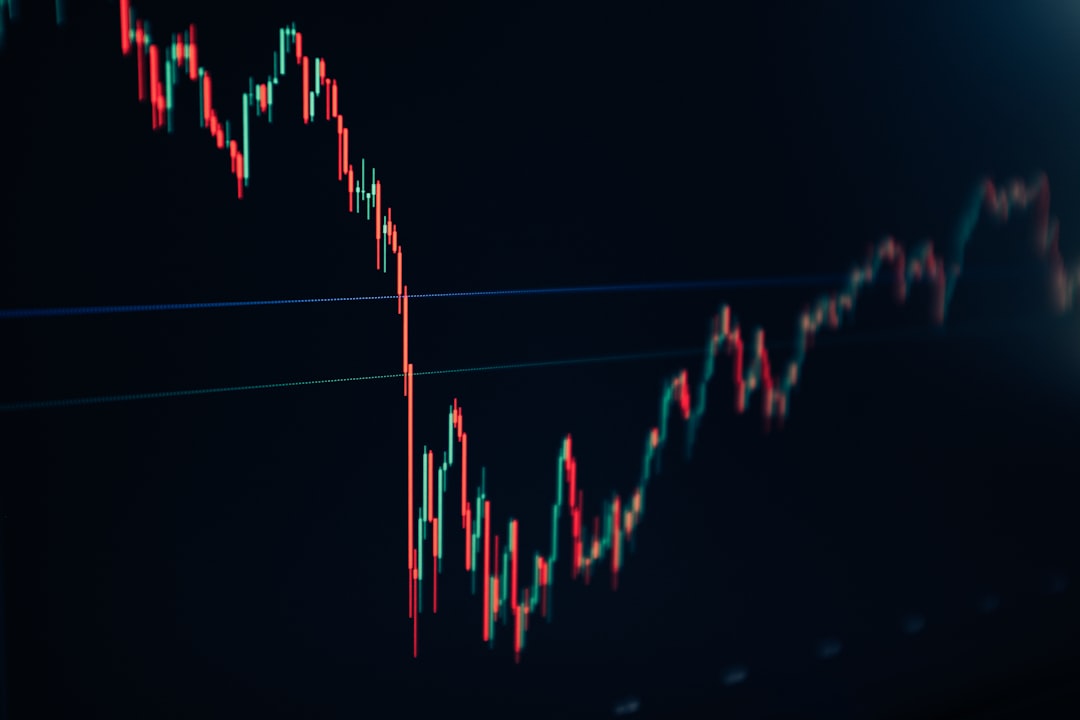
Oil futures hit $118 per barrel before pulling back to around $95-100 as traders digested a temporary two-week ceasefire. But here's the kicker: physical oil - the actual barrels being bought and sold on ships - is trading at $145. That's a $35-40 spread, which is the largest dislocation between paper and physical oil in two decades.
Translation: the futures market thinks this gets resolved quickly. The people actually moving oil around the world? They're pricing in a prolonged crisis.