If you're reading this Sunday night with a pit in your stomach about Monday's open, you're not alone.
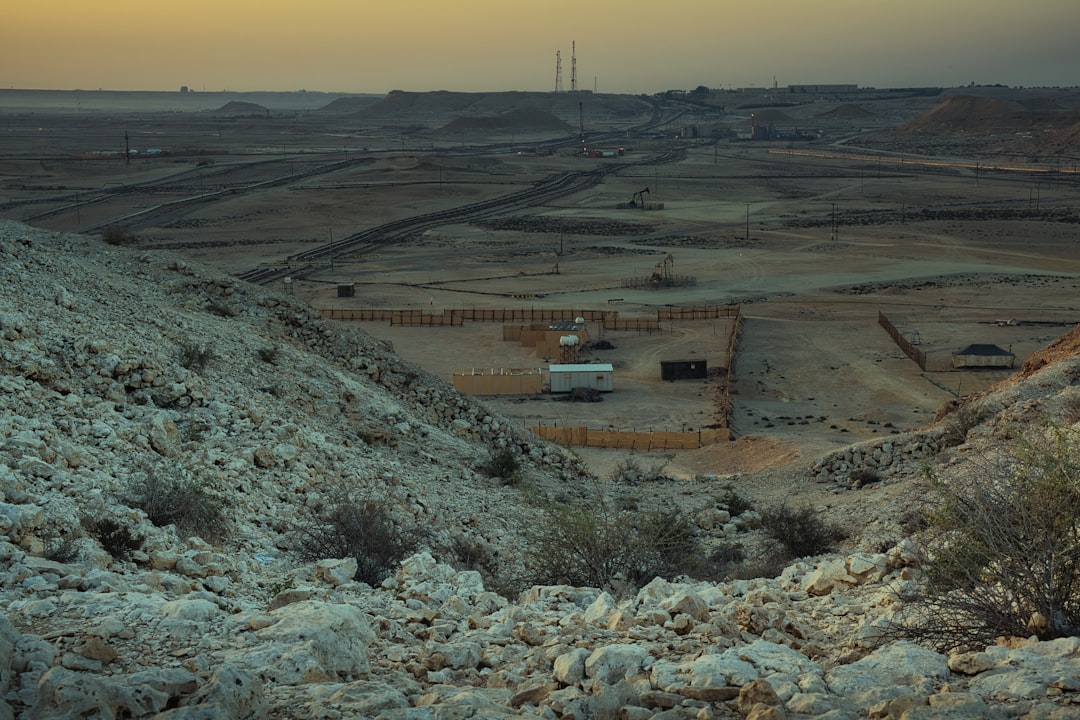
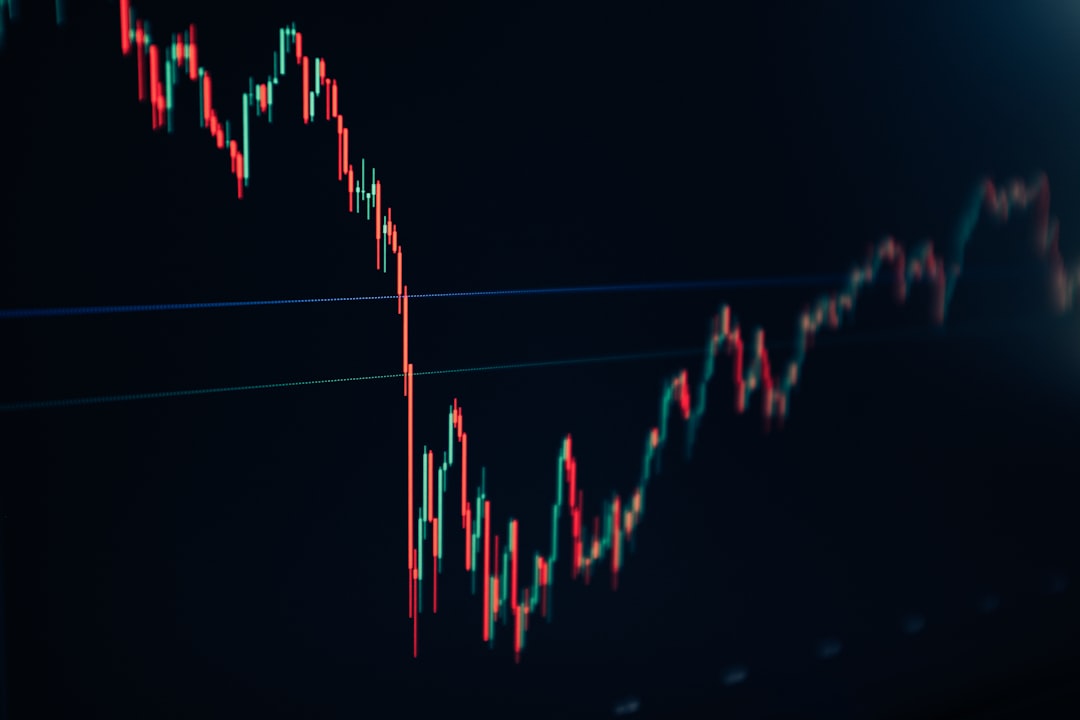
The Strait of Hormuz blockade that Trump announced Saturday has all the ingredients for a massive gap down when markets reopen Monday morning - potentially the largest since the COVID crash in March 2020.
Here's what you need to know before the bell rings.
What Happened While Markets Were Closed
Trump announced a full naval blockade of Hormuz, cutting off 20% of global oil supply. Oil futures that were trading at $85-90 per barrel on Friday are now pricing near $100, and physical oil is already trading at $145.
That's a 50-60% spike in real oil prices in less than 72 hours. For context, during the 1973 oil embargo, crude quadrupled - and the S&P 500 proceeded to drop 48% over two years.
We're not saying this is 1973. But we're also not not saying it.
Historical Context: How Markets React to Oil Shocks
Let's look at what actually happened during past energy crises:
1973 OPEC Embargo: Oil went from $3 to $12 per barrel. The Dow fell 45% from peak to trough. Stagflation lasted a decade.
1990 Gulf War: Oil spiked from $17 to $36 as Iraq invaded Kuwait. The S&P dropped 20% in three months, though it recovered quickly once the war started (because uncertainty resolved).
2022 Russia-Ukraine: Oil hit $130. The S&P fell 25% from January highs, and tech got obliterated. It took 18 months to recover.
The pattern: oil shocks trigger immediate equity selloffs, especially in high-multiple growth stocks. Energy and defense rally. Everything else bleeds.