If you've been trading through the Iran conflict and feel like you've seen this movie before, you're not crazy. You have.
A Reddit post breaking down the seven-phase Iran conflict market cycle is making the rounds, and honestly? It's uncomfortably accurate. Not because some Redditor cracked the code, but because markets are terrible at learning from geopolitical crises.
Here's the cycle, and if you've been trading the past month, you've lived through most of it:
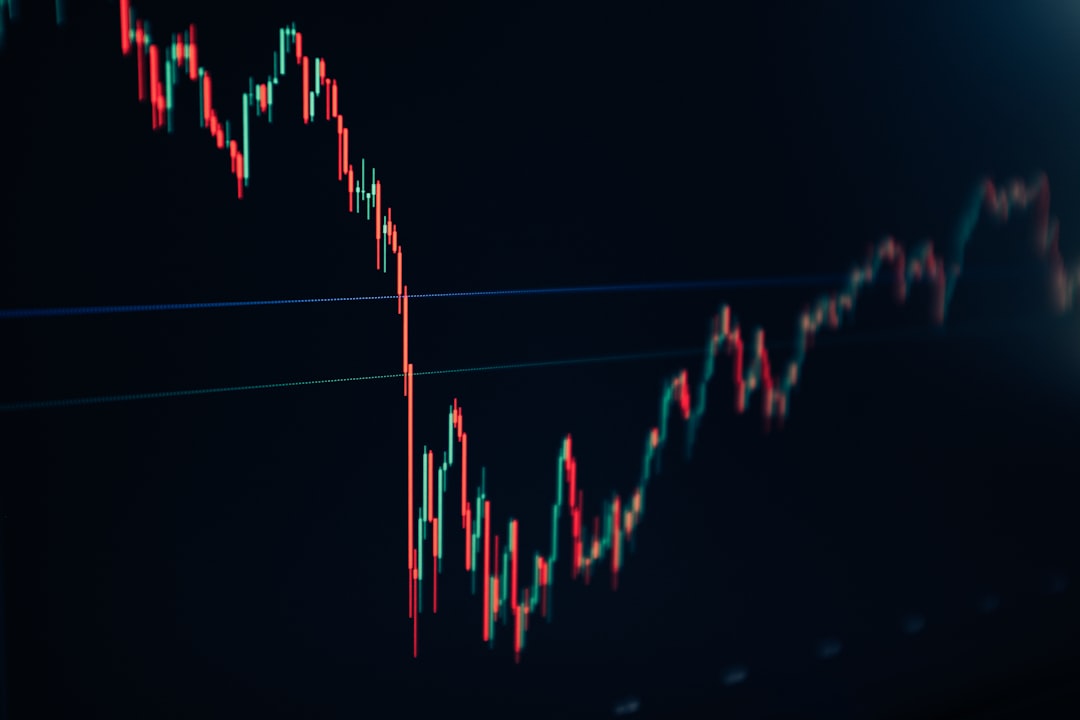
Phase 0: Pre-Ceasefire Escalation - Conflict intensifies, uncertainty peaks, markets sell off. Short interest builds as everyone expects more downside. (We were here in late March.)
Phase 1: Ceasefire Rumors - Diplomatic signals emerge. Smart money quietly covers shorts. Early buyers position for a relief rally. (Early April, Pakistan talks.)
Phase 2: Ceasefire Announced - Headline hits, optimistic buying spikes, but larger players short into the strength because they know it's fragile. (April 7-8.)
Phase 3: Ceasefire Breaks - Violence resumes. Market drops sharply. Shorts from Phase 2 profit. Late longs get trapped. (Hormuz blockade, April 12.)
Phase 4: Short Covering Begins - Profit-taking on shorts, bargain hunting starts. Price stabilizes and rises. (Where we are now.)
Phase 5: Ignore Bad News - Despite ongoing violence, the market trends up. New investors chase momentum, believing the worst is over. (Coming soon.)
Phase 6: Overextended/Complacent - Prices hit resistance, sentiment gets too bullish. Shorts rebuild positions. (Probably late April/May.)
Phase 7: Repeat - Next catalyst triggers another leg down. Cycle resets. (Inevitable.)
Sound familiar? It should. This is basically the 2022 Ukraine playbook, the 2020 U.S.-Iran escalation, and every other geopolitical crisis since markets existed.
Why Do We Keep Falling For It?
Because hope is more profitable than fear - until it isn't.
Every time a ceasefire gets announced or tensions ease slightly, there's a massive incentive to believe the crisis is over. Bulls make money on relief rallies. Shorts get squeezed. CNBC runs "risk-on" segments. Everyone wants to believe we're going back to normal.
The problem is that geopolitical conflicts don't resolve on a quarterly earnings schedule. The U.S. and Iran have been at odds for 45 years. A two-week ceasefire brokered in Pakistan doesn't change that. Neither does a Truth Social post.
But markets price in resolution anyway because the alternative - pricing in a prolonged conflict - is too painful. So we get these boom-bust cycles where traders oscillate between panic and complacency, and the smart money just trades the swings.
What History Actually Shows
Let's check the receipts. During the 2022 Russia-Ukraine conflict: - Oil spiked to $130 in March 2022, then crashed to $70 by June on ceasefire optimism. - By December, it was back over $90 as the conflict dragged on. - The S&P 500 chopped sideways for 18 months, trapping both bulls and bears repeatedly.
The 1990-91 Gulf War? Same pattern. Oil spiked pre-war, crashed when the war started (because uncertainty resolved), then chopped for months as markets realized "mission accomplished" didn't mean peace.
The behavioral pattern is consistent: markets overreact to both escalation and de-escalation, and the traders who profit are the ones who fade the extremes, not the ones who chase them.
How to Trade This (If You Must)
First, accept that you're probably not smarter than the cycle. If a framework this simple describes market behavior this well, it means the pattern is deeply embedded in how humans react to uncertainty.
Second, don't marry your positions. If you're long energy stocks because of the Hormuz blockade, great - but have a plan for when Phase 5 (ignore bad news) transitions to Phase 6 (overextended). The trade works until it doesn't.
Third, watch positioning, not headlines. When short interest is elevated and bad news hits, that's usually a buy signal (Phase 4). When everyone's bullish and complacent despite ongoing conflict, that's your exit (Phase 6).
And finally, if you're a long-term investor and this isn't your game, just sit it out. The whipsaw will destroy you. Let the day traders and hedge funds fight over the scraps.
The Bottom Line
The Iran conflict cycle isn't some secret trading algorithm. It's just human nature: we panic, we hope, we get greedy, we panic again.
The difference between traders who make money and those who get chopped up is recognizing which phase you're in - and knowing that no matter how convincing the narrative sounds, Phase 7 is always coming.