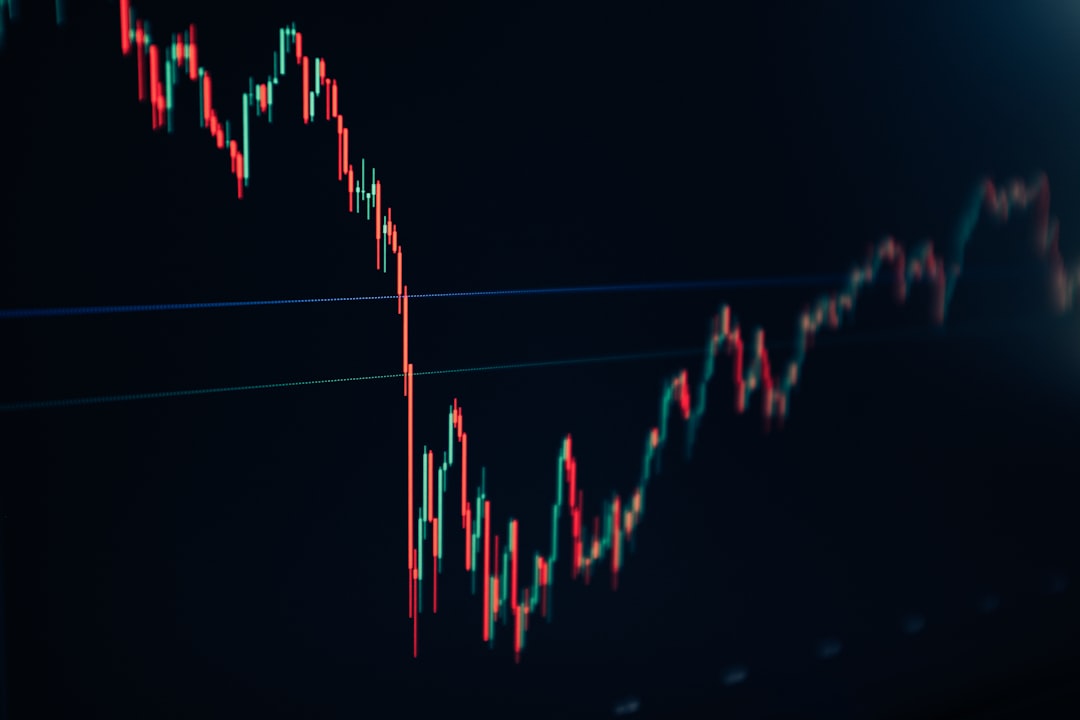

Something's very wrong in the oil market, and it's not just the Hormuz blockade.
Brent crude futures closed Tuesday around $109 per barrel. That's the number you see on CNBC, the price traders bet on for delivery two months from now. But in the market where energy companies actually buy and sell physical oil loaded onto ships? That same barrel is going for nearly $145.
That's a $36 spread - the largest gap between paper and physical oil in over 20 years. And according to people who've been trading oil longer than most of us have had 401(k)s, it means the futures market has completely lost touch with reality.
"The futures market is not representing the on-the-ground and on-the-water reality of oil at all," Vikas Dwivedi, global energy strategist at Macquarie Group, told the New York Times. "It's quite broken."
Why Does This Matter to You?
If you're thinking "who cares about some technical pricing thing," let me explain why this should scare you.
Futures prices are supposed to reflect expectations about future supply and demand. When WTI or Brent moves, that's the market telling you where oil is headed. Banks use those prices for risk models. Airlines hedge fuel costs based on futures. The entire energy complex - from your local gas station to Exxon's CFO - relies on futures to make decisions.
But when futures and physical prices diverge this dramatically, it means one of two things: either futures traders are catastrophically wrong about how bad the supply crunch is, or the people paying $145 for actual barrels are panicking and overpaying.
Given that hundreds of oil tankers are stuck in the Persian Gulf and Trump just announced an indefinite blockade of the world's most important oil chokepoint, I'm betting on Door Number One.