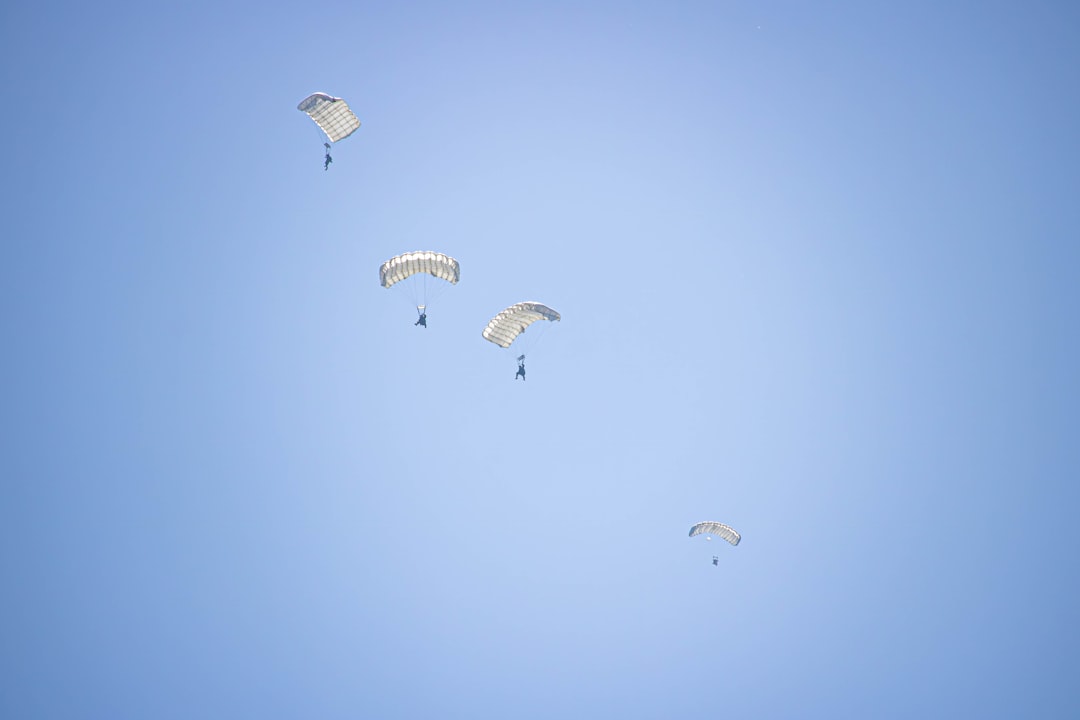
Thousands of paratroopers from the US Army's 82nd Airborne Division have arrived in the Middle East, marking the latest phase of an American military buildup that defense analysts say signals potential preparations for ground operations against Iran.
The deployment, confirmed by the Pentagon on Sunday, brings approximately 3,500 members of the 82nd Airborne to the region, according to Reuters. The rapid-response unit, based at Fort Liberty, North Carolina, is among the US military's most elite formations, designed for swift deployment into combat zones.
The 82nd Airborne's deployment is significant because the division specializes in forcible entry operations and securing strategic objectives, suggesting potential plans that extend beyond air and naval strikes.
Pentagon spokesman Major General Patrick Ryder characterized the deployment as a "force protection and deterrence measure," but declined to provide specific details about where the paratroopers would be stationed or what missions they might undertake. "The 82nd provides our commanders with flexible options across the spectrum of military operations," Ryder said.
To understand today's headlines, we must look at yesterday's decisions. The composition and scale of the American deployment bears comparison to the buildups preceding the invasions of Iraq and Afghanistan. While those operations involved far larger forces, the inclusion of specialized rapid-deployment units like the 82nd Airborne typically indicates planning for complex ground operations rather than purely air-based campaigns.
Defense analysts noted that the 82nd Airborne has historically been used to seize airfields, secure critical infrastructure, and establish positions ahead of larger conventional forces. During the 2001 invasion of , elements of the 82nd were among the first American ground troops deployed. The division played similar roles in in 2003 and in emergency deployments to the and .