
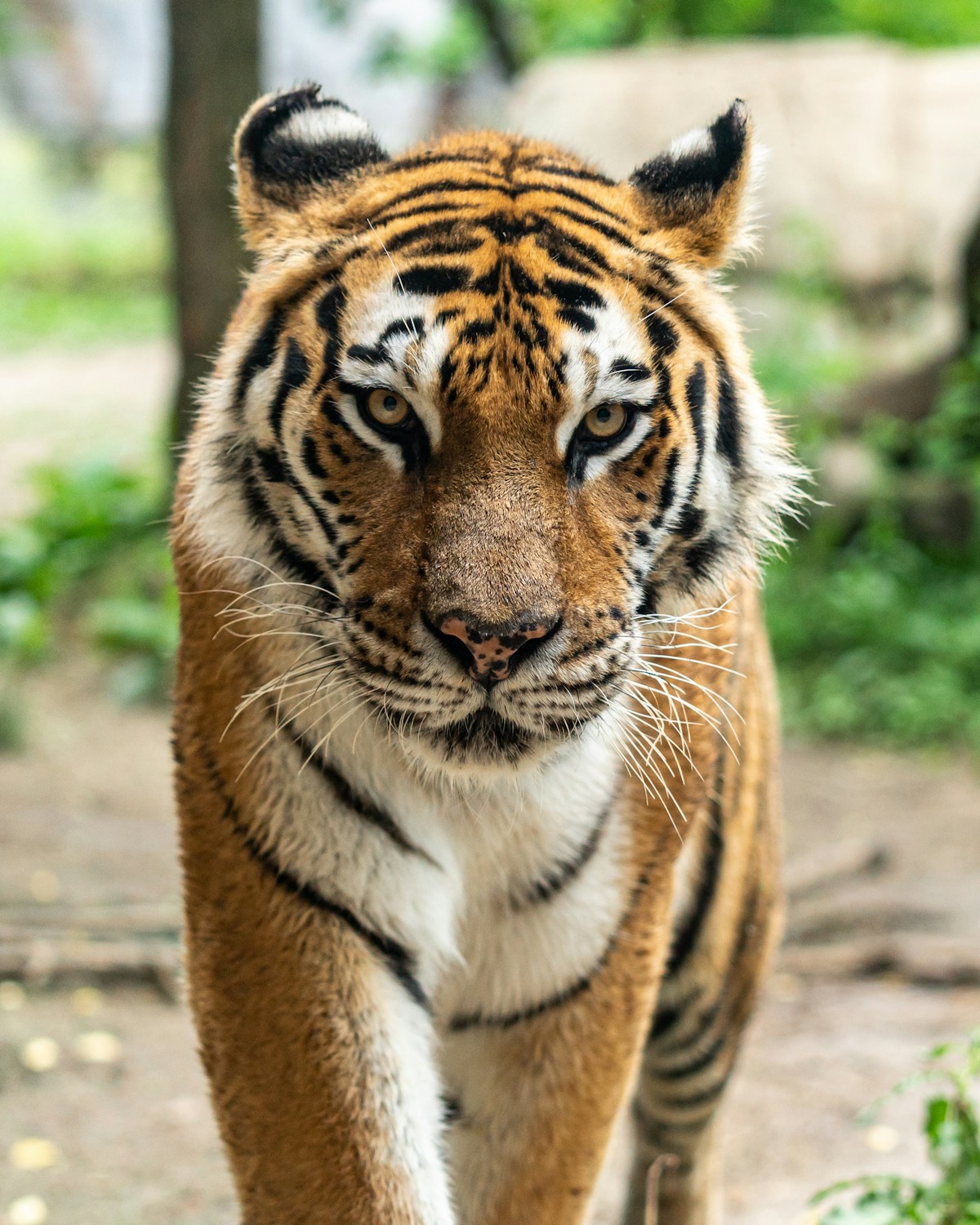
Seventy-two tigers have died in Thailand's tourist parks as authorities scramble to contain a deadly outbreak of feline coronavirus, marking a devastating blow to one of the world's most endangered big cat species and raising urgent questions about captive wildlife tourism.
The outbreak, reported by Thai wildlife officials, has swept through multiple facilities housing captive tigers for tourist entertainment. The virus—a highly contagious pathogen affecting felines—spreads rapidly in confined environments where animals live in close proximity, turning breeding facilities into potential death traps for creatures that would naturally maintain vast territories in the wild.
The loss of 72 individual tigers represents a catastrophic setback for a species whose global wild population hovers around just 4,500 animals. While wild tiger numbers have shown encouraging recovery in recent years thanks to intensive conservation efforts in India, Nepal, and Russia, every captive death underscores the precarious state of these magnificent predators.
Thai authorities have moved to quarantine affected facilities and implement disease control protocols, but the outbreak highlights fundamental vulnerabilities in Southeast Asia's captive tiger industry. Thailand has long operated a controversial network of tiger tourism facilities—parks where visitors pay to pose with cubs, watch performances, or observe tigers in enclosures. Many of these operations claim to support conservation through captive breeding, yet critics argue they prioritize profit over animal welfare and contribute nothing to wild population recovery.
The current crisis exposes the disease management challenges inherent in keeping large numbers of predators in captivity. Unlike accredited zoos with veterinary expertise and strict biosecurity protocols, many tourist-oriented facilities lack the resources or knowledge to prevent pathogen transmission. Tigers housed in crowded conditions, stressed by constant human interaction, and potentially weakened by poor nutrition become highly susceptible to infectious disease.
Feline coronavirus strains vary in virulence, but some can prove fatal, particularly to young or immunocompromised animals. The virus spreads through fecal-oral transmission—a nearly inevitable route in facilities where multiple tigers share limited space. Once introduced, the pathogen can tear through a captive population with devastating speed, as this outbreak demonstrates.
Conservation biologists have long questioned whether captive tiger facilities genuinely support species recovery. Most captive tigers in tourist operations cannot be released to the wild—they lack hunting skills, fear of humans, or suitable habitat. Their genetic lines may be mixed or poorly documented, making them unsuitable for scientific breeding programs. They exist in a conservation limbo: neither contributing to wild populations nor living in conditions resembling their natural ecology.
The outbreak arrives at a critical juncture for tiger conservation globally. Wild populations have shown that recovery is possible when habitat is protected, poaching is suppressed, and human-wildlife conflict is managed thoughtfully. India has demonstrated that tigers and people can coexist when communities see tangible benefits from conservation—eco-tourism revenue, employment, and conflict mitigation programs that protect both livestock and predators.
Those successes stand in stark contrast to the captive tiger industry, where animals become commodities rather than conservation ambassadors. The current outbreak will likely reignite debates about the ethics and utility of tiger tourism facilities. Do these operations genuinely contribute to species survival, or do they exploit endangered animals while providing a veneer of conservation legitimacy?
In nature, as across ecosystems, every species plays a role—and humanity's choices determine whether the web of life flourishes or frays. Tigers occupy apex predator niches, regulating prey populations and maintaining ecosystem balance across their historic range from Siberia to Sumatra. Their survival depends not on breeding animals for tourist selfies, but on preserving forest corridors, supporting communities that share landscapes with big cats, and ensuring robust legal frameworks against poaching.
As Thai authorities work to contain the viral outbreak, the incident serves as a sobering reminder that captive facilities claiming conservation credentials must be held to rigorous standards. Disease surveillance, veterinary care, genetic management, and animal welfare cannot be afterthoughts in facilities housing endangered species.
The 72 tigers lost to this outbreak will never patrol forest territories, raise cubs in the wild, or fulfill their ecological roles. Their deaths underscore an uncomfortable truth: keeping tigers alive is not the same as conserving tigers. True conservation requires wild populations in functioning ecosystems—not animals warehoused for human entertainment, vulnerable to the diseases and stresses that captivity brings.
For a species that has lost 95% of its historic range and teeters perpetually on the edge of extinction, every individual matters. These 72 deaths represent not just a viral outbreak, but a failure of the systems we've built around captive wildlife—and a call to redirect efforts toward the forest strongholds where tigers actually belong.