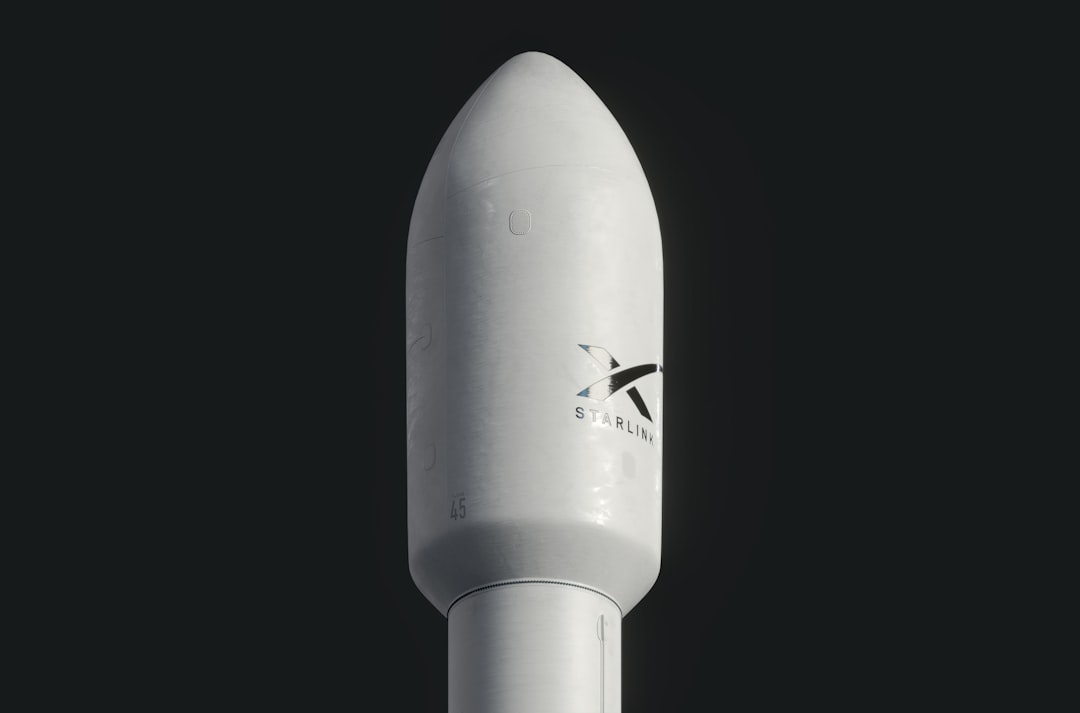

The United States launched 193 orbital missions in 2025, obliterating the previous record and cementing American dominance in the rapidly evolving commercial space industry. The achievement, documented by SpaceStats Online, represents a seismic shift from government-led spaceflight to a commercial-driven launch cadence that would have seemed impossible a decade ago.
The numbers tell a remarkable story: SpaceX alone accounted for the vast majority of those launches using its workhorse Falcon 9 rocket, which has become the most frequently flown orbital vehicle in history. The company's reusable booster technology and Starlink satellite constellation deployment drove an unprecedented launch tempo—sometimes launching multiple times per week from facilities in Florida and California.
To put this in perspective, the US conducted just 39 orbital launches in 2015, before SpaceX's reusability revolution took hold. The 2025 total represents nearly five times that figure and surpasses the combined launch totals of all other countries. China, the second-most-active space power, conducted approximately 67 launches in 2025—impressive, but dwarfed by American activity.
In space exploration, as across technological frontiers, engineering constraints meet human ambition—and occasionally, we achieve the impossible. The launch record demonstrates what becomes possible when rocket reusability transforms economics. SpaceX routinely flies individual Falcon 9 boosters 15-20 times, with some approaching 25 flights. This would have been considered science fiction during the Space Shuttle era.
The commercial space revolution extends beyond SpaceX. United Launch Alliance continued flying its Atlas V and Vulcan rockets for national security and commercial customers. Rocket Lab maintained a steady cadence with its Electron small-lift vehicle, targeting the growing market for dedicated smallsat launches. Newer entrants like Relativity Space and Firefly Aerospace contributed to the total with their emerging launch systems.
What's driving this explosive growth? The Starlink constellation represents the single largest factor. SpaceX has launched thousands of internet satellites, creating a global broadband network while simultaneously demonstrating reliable, rapid-turnaround launch capabilities. Each Starlink mission carries 20-60 satellites, and the company shows no signs of slowing deployment.
Beyond Starlink, the commercial satellite industry has undergone transformation. Companies are launching smaller, cheaper satellites in larger constellations rather than building massive, expensive individual spacecraft. This shift toward proliferated low-Earth orbit (LEO) architectures requires frequent, affordable launches—exactly what reusable rockets enable.
NASA and the Department of Defense have also benefited from America's launch capacity. The International Space Station receives regular cargo resupply missions from SpaceX and Northrop Grumman. National security satellites, GPS spacecraft, and classified payloads fly on commercial rockets that cost a fraction of legacy systems while delivering superior reliability.
The international implications are significant. Russia, once a dominant space power, conducted just 19 launches in 2025—its lowest total since the 1990s. Sanctions, brain drain, and the loss of commercial customers to cheaper American alternatives have gutted the Russian space industry. Europe's Arianespace has struggled to compete on price, though the new Ariane 6 rocket aims to improve competitiveness.
The record-breaking year also highlighted infrastructure challenges. The Federal Aviation Administration has faced criticism for launch licensing bottlenecks, with some companies complaining that regulatory approval timelines lag far behind technical readiness. Cape Canaveral Space Force Station and Vandenberg Space Force Base have expanded facilities to accommodate increased launch tempo, but constraints remain.
Looking ahead, the trend shows no signs of reversing. SpaceX plans to begin operational flights of Starship, its fully reusable super-heavy-lift vehicle, which could enable launch cadences measured in hundreds of flights per year from a single launch site. Amazon's Project Kuiper constellation will require hundreds of additional launches to compete with Starlink. Blue Origin's New Glenn rocket aims to enter service in 2026, adding another heavy-lift option.
The 193-launch record represents more than impressive statistics—it demonstrates the fundamental restructuring of space access from a government capability to a commercial service. Launches have become routine enough that most pass without media coverage, a normalization that would astonish space industry veterans from even a decade ago. The impossible, it turns out, just required the right economic incentives and engineering persistence.