
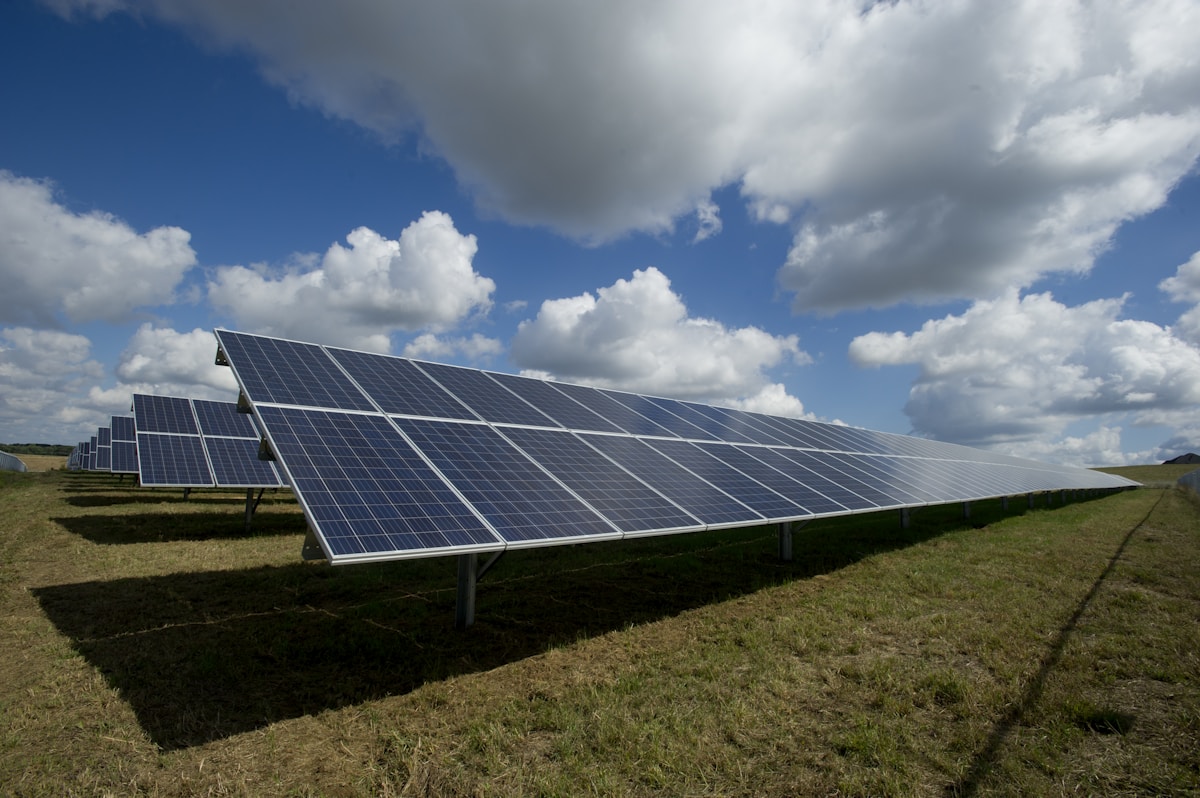
In the rugged Carpathian Mountains of western Ukraine, small communities are pioneering a model of climate-resilient energy independence that could reshape how the world thinks about both renewable energy and disaster preparedness. As Russian attacks continue to devastate the national power grid, these mountain villages have turned to solar panels, small hydroelectric systems, and battery storage—demonstrating that decentralized green energy offers more than climate benefits.
"This is the future," says Vasyl Koval, mayor of a mountain village that has maintained electricity throughout months of national blackouts, according to the Kyiv Independent. "Not just for war, but for any crisis. When you control your own power, you control your own survival."
The Ukrainian experience offers a powerful counter-narrative to debates about renewable energy reliability. Critics have long argued that solar and wind power cannot provide baseload electricity or energy security. Yet these mountain communities, facing one of the most challenging operating environments imaginable, have proven that well-designed renewable microgrids can deliver resilience that centralized fossil fuel infrastructure cannot match.
In climate policy, as across environmental challenges, urgency must meet solutions—science demands action, but despair achieves nothing. The renewable energy systems keeping lights on in Ukrainian villages demonstrate that climate solutions can simultaneously address immediate security needs.
The villages' approach combines multiple renewable sources. Solar panels provide daytime power, while small run-of-river hydroelectric turbines harness mountain streams for consistent baseline generation. Battery storage systems smooth out variability and provide power overnight. The entire system operates independently of the national grid, making it impervious to attacks hundreds of kilometers away.
This energy independence has tangible humanitarian impacts. Schools can continue operating. Medical clinics maintain refrigeration for vaccines and medicines. Residents can charge phones to contact family members. Water pumps continue functioning. The difference between having electricity and not having it, in wartime, often means the difference between staying home and becoming a refugee.
Dr. Olena Pavlenko, an energy policy expert at DiXi Group, a Kyiv-based environmental think tank, notes that the war has accelerated Ukraine's renewable energy transition in unexpected ways. "Before the invasion, renewable energy was primarily about climate commitments and EU integration. Now it's about survival and sovereignty. That shift in framing has unlocked political will and community investment that climate arguments alone struggled to achieve."
The model holds lessons far beyond Ukraine. As climate change drives more frequent extreme weather events—hurricanes, floods, wildfires—that devastate centralized power infrastructure, the resilience advantages of distributed renewable systems become increasingly relevant. Puerto Rico, California, Texas, and other regions have experienced prolonged blackouts after disasters, spurring interest in microgrids.
International development organizations are taking notice. The European Union and various humanitarian groups are now funding similar renewable microgrid projects in Ukrainian communities, viewing them as dual-purpose investments in both war resilience and long-term climate transition.
The financial model also proves compelling. While initial installation costs can be significant, the absence of fuel costs means operating expenses remain minimal. For communities that previously relied on diesel generators during outages—with fuel supplies often disrupted by war—renewable systems offer both lower costs and greater reliability.
Challenges remain. Winter conditions in the Carpathians mean reduced solar generation during the darkest months, when heating demands peak. Storage capacity requires ongoing investment. Technical expertise for maintenance can be scarce in rural areas. Yet these obstacles pale compared to the vulnerability of centralized systems under attack.
The Ukrainian experience also highlights the security implications of energy systems—a dimension climate policy discussions often overlook. Centralized fossil fuel infrastructure creates strategic vulnerabilities. Pipelines, refineries, and power plants become military targets. Renewable microgrids, distributed across thousands of small installations, present no such concentrated targets.
As Ukraine begins planning post-war reconstruction, energy policy experts advocate for a fundamentally redesigned power system that prioritizes distributed renewable generation over rebuilding centralized infrastructure. The mountain villages provide a working model.
The story from the Carpathians ultimately demonstrates that climate solutions and immediate human needs need not be in tension. The same technologies that reduce emissions can also provide resilience, security, and sovereignty. In villages keeping their lights on through a brutal winter of war, the future of energy is already taking shape.