
The Trump administration has scrapped a carefully negotiated conservation agreement designed to protect one of the Arctic's most vital caribou herds, prioritizing expanded oil drilling in Alaska's National Petroleum Reserve over Indigenous subsistence rights and wildlife habitat.The deal, forged during the Biden administration, granted the Iñupiaq village of Nuiqsut regulatory authority over approximately 1 million acres of critical habitat surrounding Teshekpuk Lake—home to roughly 60,000 caribou that sustain communities across Alaska's North Slope. Interior Deputy Secretary Kate MacGregor cancelled the agreement in late 2024, citing congressional directives to maximize oil production in the region.The cancellation comes as ConocoPhillips' Willow project, one of Alaska's largest oil developments in decades, nears completion halfway between Nuiqsut and the lake. Additional drilling proposals would place oil infrastructure within two miles of the village itself."This was a carefully crafted balance," Andy Mack, CEO of Kuukpik Corporation, told Indian Country Today. The agreement created a nonprofit entity—Nuiqsut Trilateral—representing the village's tribal government, municipal government, and Kuukpik Corporation, granting them meaningful oversight of development near traditional hunting grounds.For Nuiqsut's residents, the Teshekpuk caribou herd represents far more than wildlife—it is the foundation of food security and cultural continuity. "That is where most of the caribou are coming from," explained George Sielak, Kuukpik Corporation president. "It's in our backyard."The administration now plans a lease sale covering over 5 million acres, including areas previously protected under the agreement. Nuiqsut filed a federal lawsuit in January challenging the cancellation, arguing officials terminated the deal without prior notice or consultation—violating decades of collaborative conservation efforts.In nature, as across ecosystems, every species plays a role—and humanity's choices determine whether the web of life flourishes or frays. The Teshekpuk herd's calving grounds and migration corridors evolved over millennia around the lake's wetlands and tundra, creating what biologists recognize as irreplaceable habitat. Caribou populations are notoriously sensitive to industrial disturbance during calving season, and research from similar Arctic developments shows lasting impacts on herd distribution and calf survival.The case exemplifies a fundamental challenge in conservation: can negotiated environmental protections survive political transitions? The Biden-era agreement represented years of negotiation balancing Indigenous rights, wildlife protection, and energy development. Its unilateral cancellation raises troubling questions about the durability of conservation agreements when they conflict with extractive industry priorities.Other North Slope communities—including Utqiagvik, Atqasuk, and Anaktuvuk Pass—also depend on the Teshekpuk herd for subsistence hunting. The Willow project, expected to begin production in 2029 and already nearly 50% complete, will fundamentally alter the landscape between the herd's primary habitat and the communities that rely on it.Conservation succeeds when it benefits both wildlife and people—when local communities have agency over the lands and animals that sustain them. The Nuiqsut agreement embodied that principle, creating a model where Indigenous knowledge and regulatory authority protected caribou while acknowledging the region's energy development realities.The lawsuit now moves forward in federal court, with Nuiqsut arguing the cancellation "jeopardizes decades of collaboration with local communities." The outcome will determine not only the fate of the Teshekpuk caribou, but whether conservation agreements can endure when administrations change—and whether Arctic communities retain any voice in decisions shaping the ecosystems that have sustained them for generations.
Editor's Pick
Trump Administration Backs Out of Arctic Caribou Protection Deal Tied to Major Oil Development
The Trump administration cancelled a Biden-era conservation agreement giving Alaska's Nuiqsut village regulatory control over 1 million acres of caribou habitat near the Willow oil field. The Indigenous community has filed a federal lawsuit challenging the unilateral decision, which prioritizes expanded drilling over decades of collaborative wildlife protection and subsistence rights.

2 days ago · 3 min read
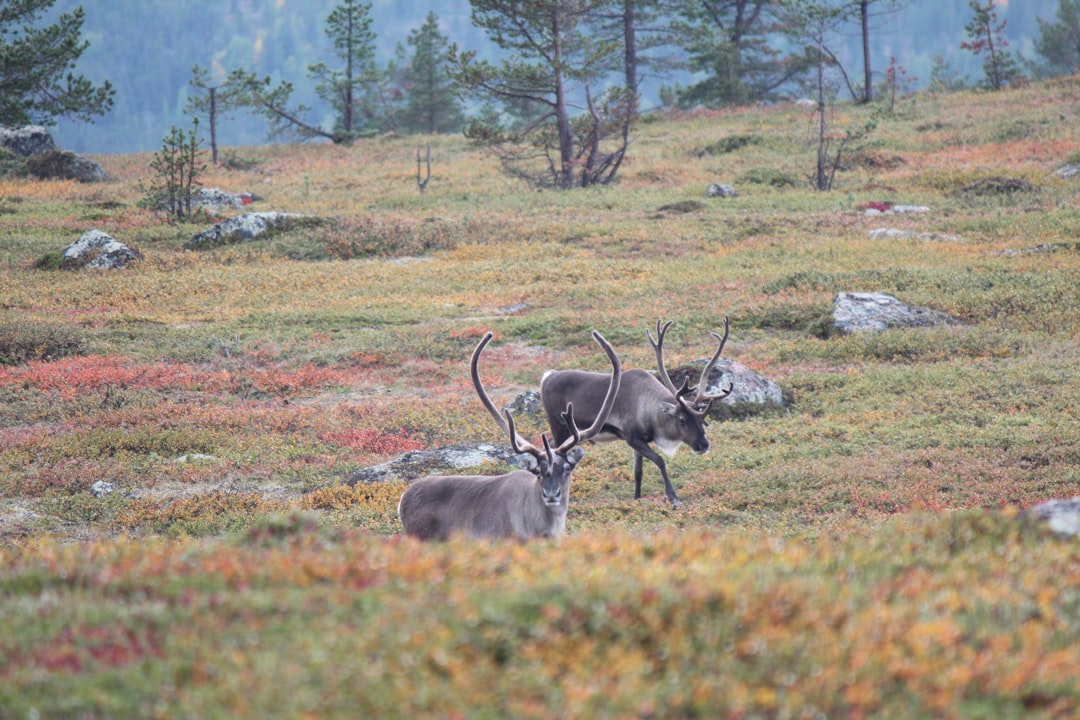
Photo: Unsplash / Tania Malréchauffé
Related Articles

Science
United States Shatters Orbital Launch Record With 193 Missions in 2025
2 days ago

Science
Artemis II Moon Mission Faces April Delay After Helium System Issue
2 days ago
Science
Ukrainian Mountain Villages Deploy Green Energy to Survive War-Driven Blackouts
2 days ago
Science
Kashmir Records Hottest February Day in History as Climate Disrupts Himalayan Weather
2 days ago