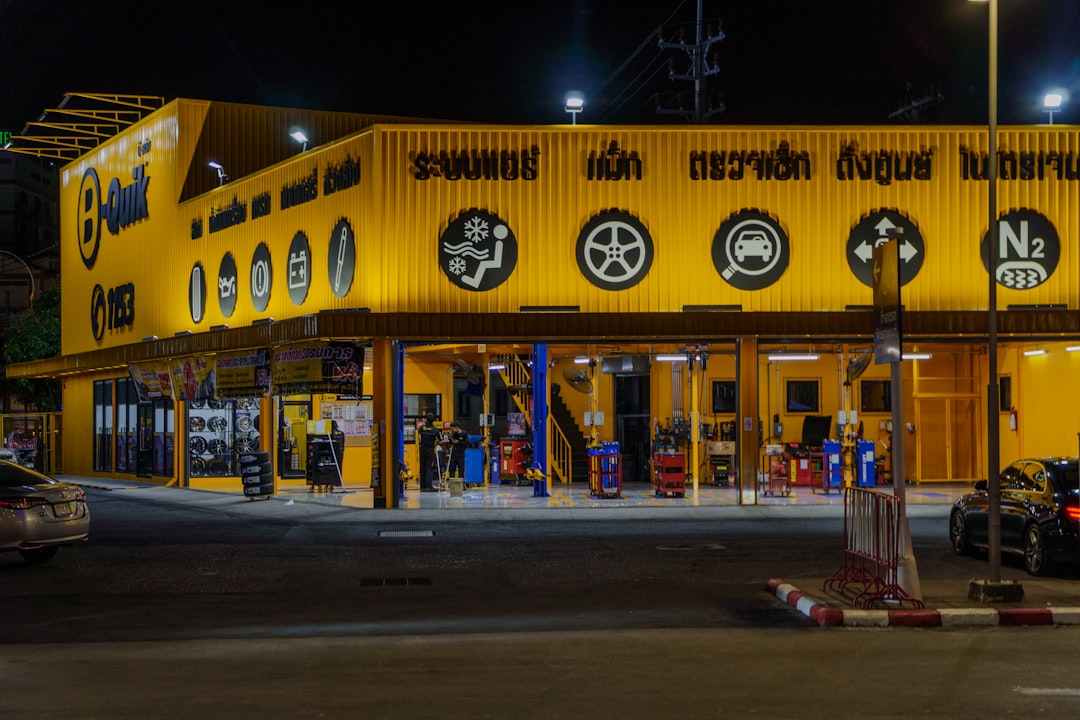
Fuel stations across northeastern Thailand ran dry Tuesday, with motorists in Nong Khai and surrounding provinces facing hours-long queues or empty pumps, a shortage that underscores the deepening energy crisis gripping mainland Southeast Asia.
"I tried to get fuel this morning but gave up - either they had none or the queues were incredibly long," wrote one resident in Nong Khai, a border city across the Mekong River from Laos, on Reddit's Thailand forum. The reports spread quickly, with similar shortages emerging in Udon Thani, Khon Kaen, and other northeastern cities.
The gasoline shortage in Thailand follows diesel prices exceeding P100 per liter in the Philippines and jet fuel supply disruptions in Vietnam, revealing the cascading vulnerabilities in ASEAN's energy infrastructure that governments have long downplayed.
Thailand imports roughly 70% of its crude oil and refined petroleum products, primarily from the Middle East and Southeast Asia's own refineries in Singapore and Malaysia. But refining capacity constraints across Asia, coupled with surging global crude prices above $90 per barrel, have created bottlenecks that ripple through the region's distribution networks.
"ASEAN's supply chains are more fragile than governments admit," said Dr. Thitinan Pongsudhirak, director of the Institute of Security and International Studies at Bangkok's Chulalongkorn University, speaking to regional media. "When global markets tighten, we're the first to feel it."
The shortages in northeastern Thailand appear linked to logistics challenges rather than absolute supply failures. Fuel deliveries to remote provinces have been delayed by truck driver shortages and distribution inefficiencies, problems exacerbated by the kingdom's aging fuel transport infrastructure.
But the localized crisis points to systemic weaknesses. Thailand's Energy Ministry has maintained that national fuel reserves remain adequate, yet storage facilities are concentrated in central regions near Bangkok and the Gulf of Thailand refineries. Remote northeastern provinces, economically marginalized and politically restive, often receive lower priority in distribution networks.
The energy crisis carries political risks for Prime Minister Srettha Thavisin's government, which came to power last year promising economic revival and reduced inequality. Fuel shortages disproportionately hurt the rural poor, who depend on motorcycles and pickup trucks for transportation and agricultural work. Rising fuel costs squeeze farmers already struggling with drought and commodity price volatility.
Across Southeast Asia, the pattern is consistent. The Philippines sees jeepney drivers earning half their normal income. Vietnam faces jet fuel supply constraints affecting regional aviation. Malaysia, blessed with energy resources, sees its ringgit strengthen while neighbors suffer. And Thailand's northeastern provinces wait in fuel queues, a visible reminder that energy security remains elusive.
Ten countries, 700 million people, one region - and when global oil markets tighten, the cracks in ASEAN's energy infrastructure become impossible to ignore.