
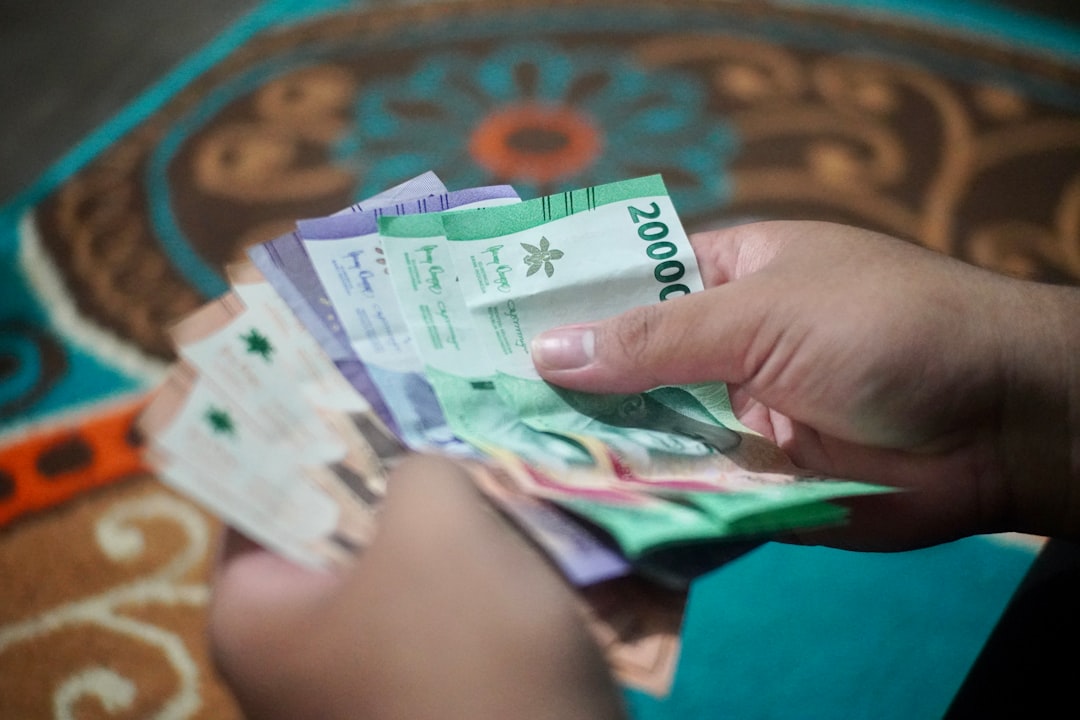
Indonesia's central bank has imposed strict monthly limits on cash dollar purchases, capping individual transactions at $50,000 per month as Southeast Asia's largest economy grapples with sustained pressure on the rupiah.
Bank Indonesia (BI) announced the capital control measures as the rupiah faces headwinds from global monetary conditions and regional currency volatility, Tempo reports. The move represents a significant tightening of currency regulations and signals growing concern about capital outflows from the world's fourth-most-populous nation.
The new restrictions apply to cash dollar purchases through banks and authorized money changers, effectively limiting the ability of individuals and businesses to stockpile foreign currency. While electronic transactions for trade and investment purposes remain largely unrestricted, the cap on cash purchases marks BI's most direct intervention in currency markets in recent years.
Central bank watchers note that the rupiah has faced persistent depreciation pressure despite Indonesia's relatively strong economic fundamentals, including solid GDP growth and manageable inflation. The divergence between economic performance and currency strength suggests external factors—particularly the strength of the US dollar and tighter global liquidity conditions—are driving rupiah weakness.
The capital controls stand in stark contrast to developments elsewhere in ASEAN. Malaysia's ringgit recently surged to a five-year high against the Singapore dollar, buoyed by elevated energy prices and investor confidence in the country's economic management. The divergence highlights how different policy approaches and commodity exposure create winners and losers in Southeast Asia's currency markets.
Economists are divided on whether the dollar purchase limits signal deeper economic trouble for Indonesia. Optimists argue that the measures are prudent, preemptive steps to manage volatility rather than emergency responses to crisis conditions. They point to Indonesia's comfortable foreign exchange reserves and relatively low external debt as evidence of underlying stability.
Skeptics worry that capital controls, even limited ones, could undermine investor confidence in Indonesia's commitment to open markets. They note that such measures rarely achieve their intended effects if underlying economic imbalances persist, and may simply drive currency transactions into informal channels.
For ASEAN's economic integration agenda, Indonesia's move toward capital controls represents a setback. The bloc has long promoted financial openness and cross-border capital flows as drivers of regional growth. When the region's largest economy resorts to restricting currency access, it raises questions about the sustainability of ASEAN's economic model in an era of global monetary tightening.
Bank Indonesia officials have emphasized that the measures are temporary and targeted, designed to smooth currency volatility rather than fundamentally restrict capital movement. Whether these controls prove sufficient to stabilize the rupiah—or whether BI will need to deploy additional policy tools—will become clear in the coming months.
In Indonesia, as across archipelagic democracies, unity in diversity requires constant negotiation across islands, ethnicities, and beliefs. Economic stability, particularly currency stability, underpins that unity, making BI's success in navigating these turbulent waters crucial not just for Indonesia's economy but for its social cohesion and regional leadership role.