

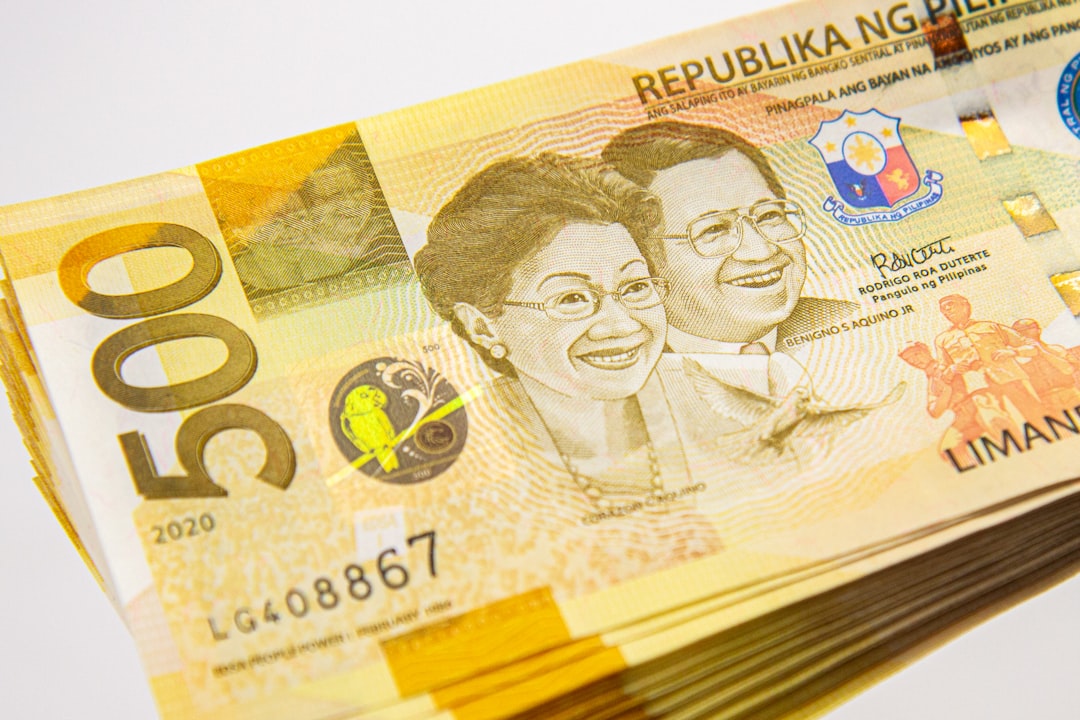
Alarm bells are ringing across the Philippines as diesel prices breach historic highs, food costs climb, and utility bills surge, prompting anxious discussions about whether the country is sliding toward another economic crisis reminiscent of past decades.
The anxiety is palpable on social media and in public discourse. A widely-discussed Reddit post in the Philippines subreddit asked bluntly: "Are we slowly heading toward another economic crisis?" The thread drew hundreds of comments from Filipinos sharing stories of skipped meals, delayed bills, and mounting debt, a collective unease that cuts across income levels.
But is this genuine crisis or manageable inflation shock? The data tells a nuanced story.
The Philippines' inflation rate hit 6.2% in February 2026, according to the Philippine Statistics Authority, well above the central bank's 2-4% target range. Food inflation, which disproportionately affects low-income households, exceeded 8%. Transport costs have surged following diesel prices crossing P100 per liter for the first time in history. Electricity rates in Metro Manila increased by 12% year-over-year, driven by higher natural gas import costs.
Compared to regional peers, however, the Philippines' inflation remains manageable. Vietnam recorded 7.1% inflation in February. Indonesia saw 6.8%. Thailand, despite its fuel shortages, reported 5.9%. Across ASEAN, inflationary pressures reflect global commodity price shocks rather than country-specific economic collapse.
"This is not the 1997 Asian Financial Crisis," said Dr. Alvin Ang, an economist at Manila's Ateneo de Manila University, speaking to local media. "Our banking system is healthier, foreign reserves are adequate, and the peso depreciation, while painful, is not catastrophic. But perception matters, and people are genuinely hurting."
The peso's weakness - trading near 59 to the dollar - amplifies import costs in a country that imports fuel, wheat, electronics, and machinery. , the central bank, has maintained relatively high interest rates to defend the currency and contain inflation, but higher borrowing costs squeeze businesses and consumers already stretched thin.


