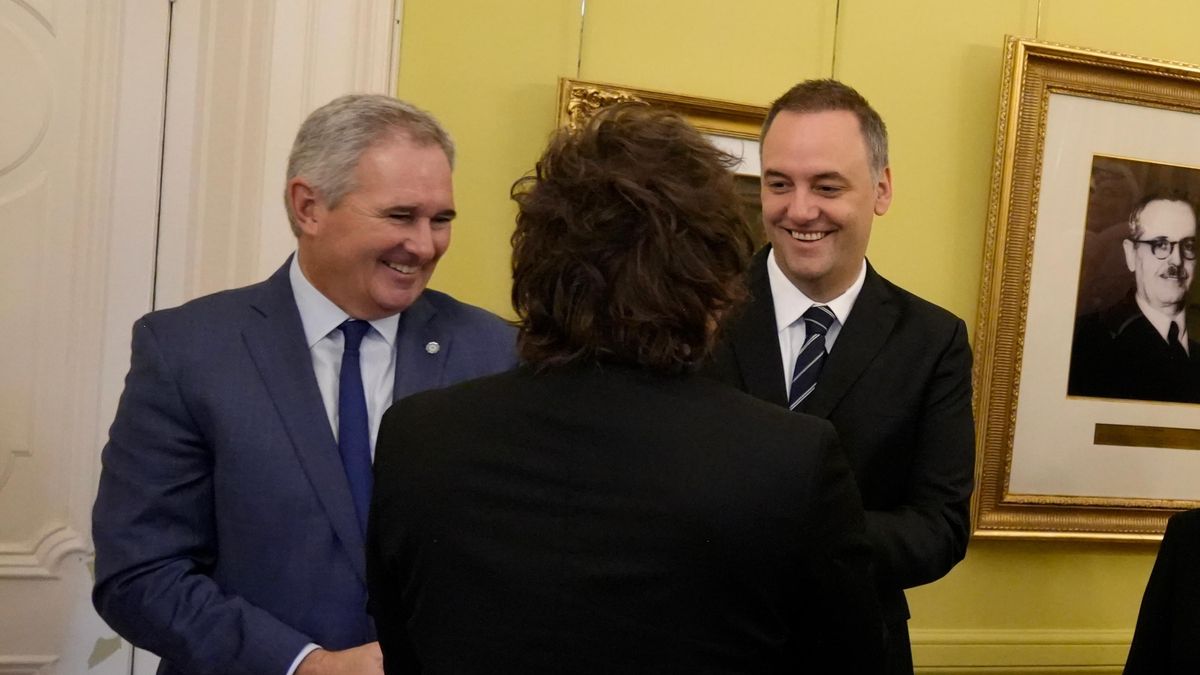
Spanish Prime Minister Pedro Sánchez has delivered one of the most pointed European rebukes yet of American military action in Iran, declaring that "being an ally of the United States does not mean saying yes to everything."
The remarks, made during a press conference in Madrid on Wednesday, signal growing transatlantic tension over the conduct of military operations and decision-making within the Western alliance. Sánchez's comments came as Spain joined France, Germany, and Italy in criticizing strikes that have killed hundreds of Iranian civilians.
"We are proud allies of the United States and will remain so," Sánchez said. "But true friendship means being able to disagree, to counsel caution, and to insist on adherence to international law. Being an ally does not mean being a subordinate."
The statement represents a fundamental challenge to NATO unity at a moment of acute crisis. For decades, the alliance has operated on an assumption of American leadership, with European partners generally supporting US security initiatives even when harboring private reservations. Sánchez's public dissent breaks that pattern.
To understand today's headlines, we must look at yesterday's decisions. The transatlantic relationship has weathered numerous storms—Iraq, Libya, Afghanistan—but typically maintains a facade of unity in public while allies work through disagreements diplomatically. Sánchez's explicit criticism suggests that diplomatic channels have either failed or been deemed insufficient.
The Spanish leader's remarks followed reports that the Trump administration had abandoned protocols designed to minimize civilian casualties and launched strikes based on outdated intelligence that led to an elementary school being hit in . specifically referenced the school incident, calling it