The balance of power in Brazil's democracy is undergoing a fundamental shift, with the presidency losing permanent control over budget amendments to Congress—a transformation that will constrain not just President Luiz Inácio Lula da Silva, but all future presidents, according to the political scientist who tracks executive-legislative relations.
Tiago Mali, writing in UOL, reports that the president will never recover control of budget amendments—the legislative tools historically used by Brazilian presidents to negotiate with Congress. The shift represents the greatest distance between the executive and legislative branches in 35 years, fundamentally rewriting the rules of Brazilian governance.
In Brazil, as across Latin America's giant, continental scale creates both opportunity and governance challenges. Budget amendments have long served as the lubricant of Brazilian democracy, allowing presidents to direct federal spending to congressional districts in exchange for legislative support. Without this tool, presidents lose their primary means of building coalitions in a notoriously fragmented Congress.
The change stems from recent judicial and legislative reforms that stripped the presidency of discretionary power over these amendments. Congress, rather than ceding authority back to Planalto Palace, has consolidated control for itself, creating what Mali describes as a structural transformation rather than a temporary political setback for Lula.
The implications extend far beyond current political battles between Lula and congressional leaders. Brazil's multi-party system—with more than two dozen parties holding congressional seats—has historically required presidents to assemble and maintain fragile governing coalitions. Presidents from Fernando Henrique Cardoso through Dilma Rousseff to Jair Bolsonaro all used amendment control as a key negotiating tool.
Now, that tool is gone. Mali's research, which tracks the institutional relationship between executive and legislative branches over more than three decades, shows the executive-legislative distance at historic highs, higher even than during the political crisis that led to Rousseff's impeachment in 2016.
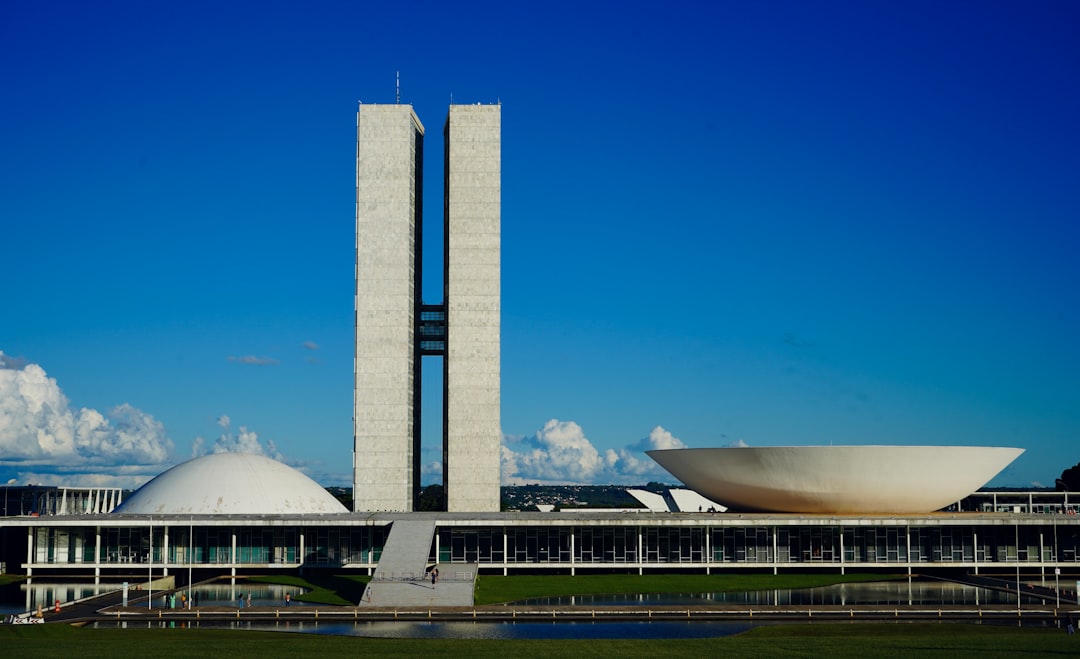
For Latin America's largest economy, the shift has regional implications. Brazil has long served as a model of presidential democracy, distinct from the parliamentary systems of Europe. The consolidation of budgetary power in Congress moves Brazil closer to a hybrid system, where the president retains ceremonial primacy but loses practical tools for legislative leadership.
Congress has not simply blocked the president—it has institutionalized its own power. Constitutional amendments and Supreme Court rulings mean that future presidents, regardless of party or popularity, will face the same constraints. The change is permanent unless Congress voluntarily relinquishes its newfound authority—an unlikely prospect given the political advantages it provides to individual legislators.
The transformation reflects deeper tensions in Brazilian democracy between representation and governability. A more powerful Congress may better represent Brazil's diverse regional and ideological interests, but it also makes national policy coordination more difficult. Presidents can no longer trade budget benefits for votes on economic reforms, environmental policy, or social programs.
For Lula, now in his third presidential term, the change forces a fundamental recalibration of governing strategy. For Brazil, it marks a turning point in how the world's fourth-largest democracy actually functions—one whose full implications may not be understood for years.