Brazil's state-owned Caixa Econômica Federal has confirmed that 158 bank accounts opened by enslaved people remain in its archives, potentially qualifying descendants for financial reparations and marking a significant moment in the country's ongoing reckoning with its slavery legacy.
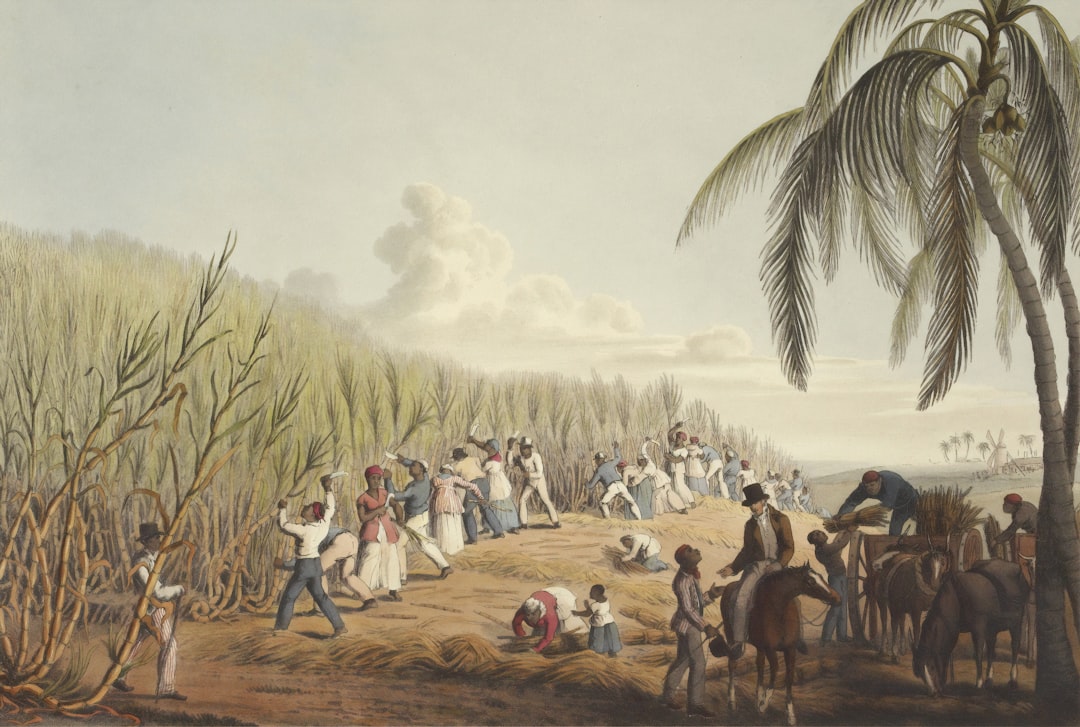
The accounts, reported by O Globo, were formally opened starting in 1871 after the Lei do Ventre Livre (Free Womb Law) recognized the right of enslaved people to form pecúlios—savings specifically designated to purchase their freedom through cartas de alforria (manumission letters). Some accounts date to before 1871, opened by third parties on behalf of enslaved individuals.
The discovery carries weight beyond historical curiosity. Julio Araujo, deputy federal prosecutor for citizen rights in Rio de Janeiro, told O Globo that the lack of information about the fate of these deposits could constitute a violation of rights. This could lead not only to symbolic gestures like formal apologies from Caixa, but also to material collective reparations, including financial compensation for descendants.
In Brazil, as across Latin America's giant, continental scale creates both opportunity and governance challenges. The accounts span multiple states—among them Rio de Janeiro, Bahia, Espírito Santo, Minas Gerais, São Paulo, and the state now known as Rio Grande do Sul—reflecting the geographic breadth of slavery's reach across Brazilian society.
Caixa Econômica Federal was established by the Brazilian Empire in 1861 specifically to serve low-income clients. By 1877, according to the National Archive, the institution already maintained branches in thirteen provinces. The discovery suggests that enslaved Brazilians actively participated in the formal financial system, accumulating capital through their own labor in the hope of purchasing their freedom.
The Federal Public Ministry (MPF) is now working to open the archived files to establish account ownership and locate potential heirs. The process represents a shift from symbolic acknowledgment of slavery's legacy to concrete material accountability.
Brazil was the last country in the Western Hemisphere to abolish slavery, doing so in 1888. The nation imported more enslaved Africans than any other country in the Americas—an estimated 5 million people. Yet unlike the United States, Brazil has never implemented systematic reparations programs, and racial inequality remains stark across income, education, and criminal justice metrics.
The Caixa accounts offer a rare paper trail connecting contemporary Brazil to its enslaved ancestors. For a country that has long struggled with how to address the economic and social legacies of slavery, these 158 accounts may represent more than historical artifacts—they could become a template for how material reparations might actually work.
The debate now moves from whether Brazil should reckon with slavery's legacy to how—and what that reckoning should cost.