
Countries worldwide are accelerating dam removal at unprecedented rates, prioritizing river ecosystem restoration over aging hydroelectric infrastructure as scientific understanding of watershed ecology evolves and climate adaptation strategies shift.
The global trend, documented by CNN, represents a striking reversal from 20th century development paradigms that viewed dams as unambiguous progress. Now, scientists and policymakers increasingly recognize that many dams provide diminishing economic benefits while imposing significant ecological costs.
Thousands of dams worldwide have reached or exceeded their design lifespan. Sediment accumulation reduces reservoir capacity. Concrete structures require costly maintenance. Safety concerns mount as infrastructure ages. Meanwhile, the ecological damage from blocking river systems becomes clearer - disrupted fish migration, degraded water quality, altered sediment flows, and ecosystem fragmentation.
The United States has led dam removal efforts, with more than 2,000 dams removed since 1999. Europe has accelerated removals dramatically, with Spain, France, and Sweden removing hundreds of aging structures. Even dam-dense China has begun removing smaller, obsolete dams while pursuing environmental flow requirements for larger installations.
Ecological recovery from dam removal often exceeds expectations. River systems restore themselves remarkably quickly once barriers disappear. Migratory fish populations rebound within years. Sediment transport resumes, rebuilding riverbed habitats and coastal deltas. Water quality improves as natural flow patterns return.
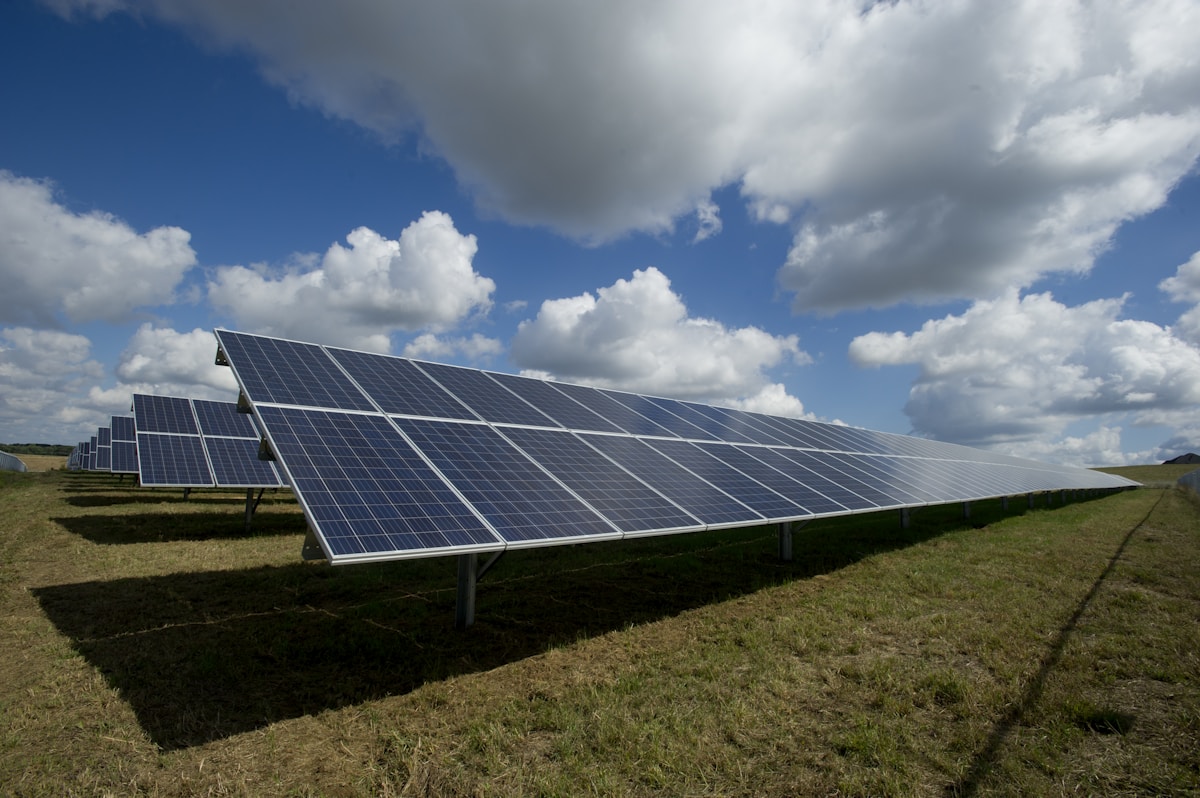
The policy shift reflects changing cost-benefit calculations. Many dams slated for removal generate minimal electricity - often less than large solar installations could produce on far less land. Recreation and fishery values from restored rivers frequently outweigh hydropower benefits. In some cases, removal proves cheaper than maintenance and safety upgrades.
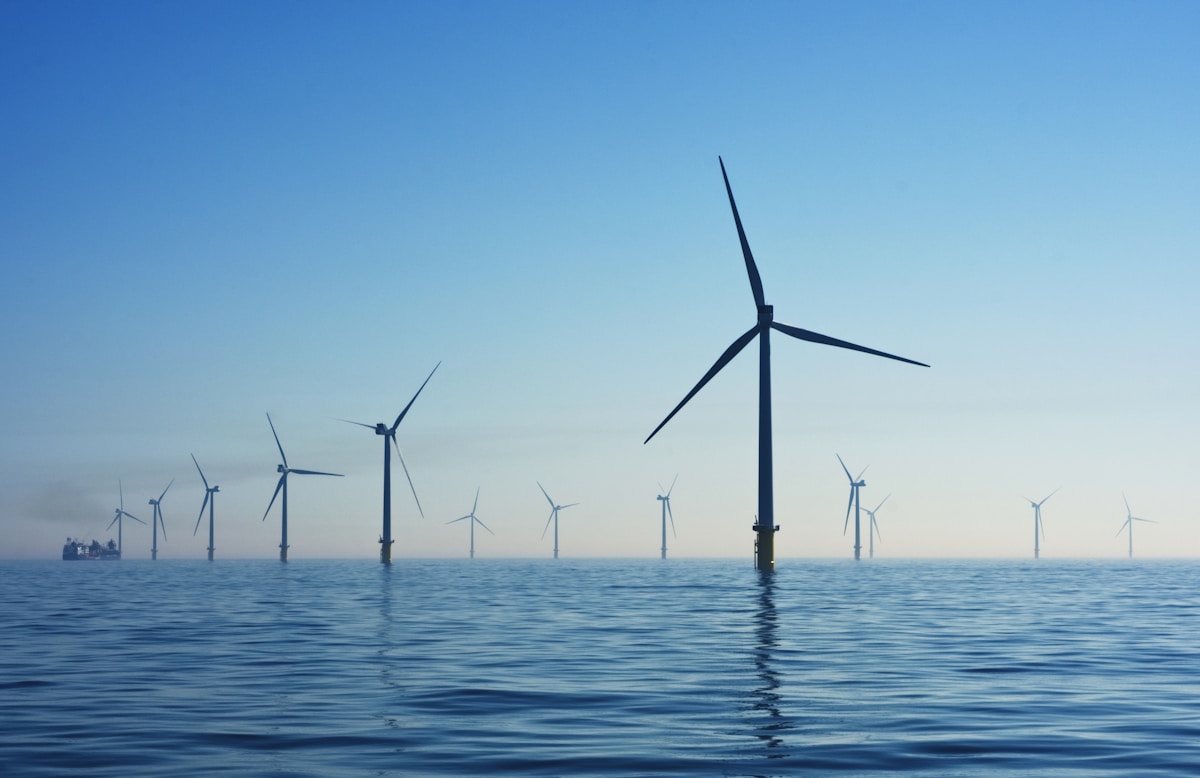
Hydroelectric power retains importance in energy transitions. Large installations provide renewable, dispatchable power that complements variable solar and wind generation. The dam removal movement targets primarily smaller, aging structures with high ecological impact and low energy contribution.