A proposal by SpaceX to launch one million satellites into Earth's orbit has alarmed conservationists and astronomers, who warn the unprecedented expansion could fundamentally disrupt wildlife navigation systems evolved over millions of years.
The company, which already operates more than 8,000 satellites and launches 24 more twice weekly, envisions a massive constellation of orbiting data centres spanning altitudes from 500 to 5,000 kilometres. The plan would dwarf the current orbital environment, where roughly 16,000 satellites currently circle the planet.
While much attention focuses on space debris risks and atmospheric impacts, conservation experts warn the ecological consequences could be profound for creatures that have relied on celestial navigation for countless generations.
Sea turtle hatchlings, which use moonlight reflecting off ocean waves to guide them from beach nests to water, face disorientation from artificial light pollution. Migratory birds navigating by star patterns during nocturnal journeys could lose critical orientation cues. Nocturnal predators and pollinators that depend on natural darkness for hunting and foraging may find their behavioural patterns disrupted.
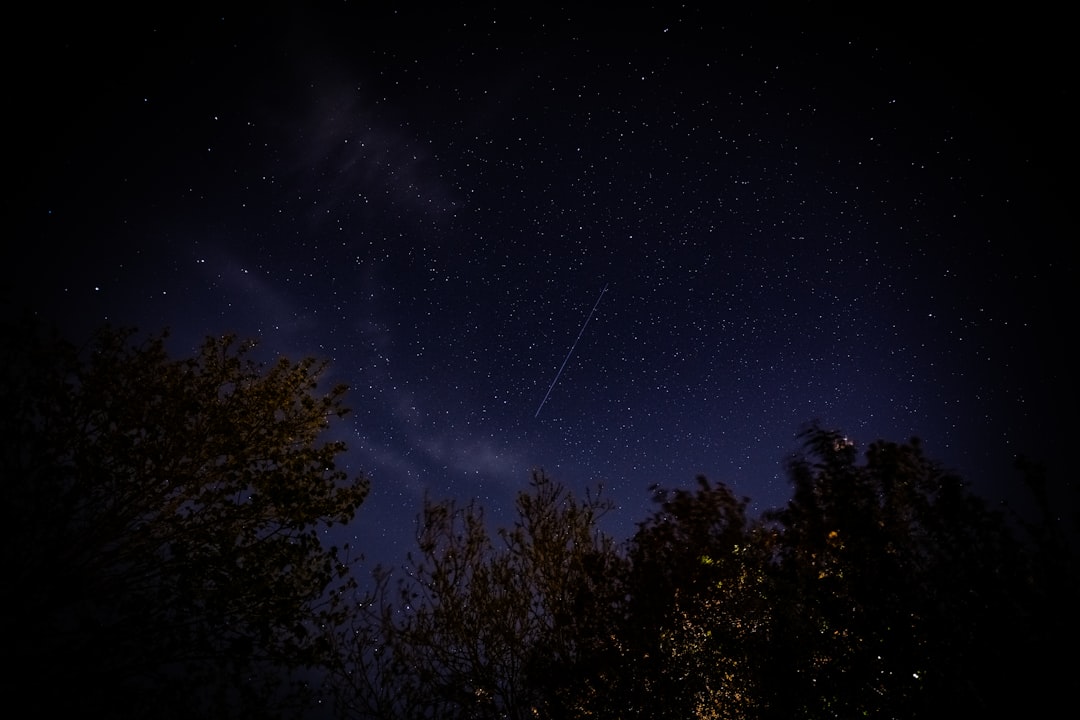
"Thousands of satellites would be visible simultaneously in the night sky," said John Barentine, an astronomer tracking light pollution impacts. The loss transcends human heritage—it represents the erasure of an environmental constant that shaped evolution itself.
The atmospheric footprint compounds wildlife concerns. Rocket launches deposit black carbon and soot into the atmosphere, potentially affecting climate patterns that govern migration timing and habitat conditions. When satellites eventually deorbit, they leave aluminum and lithium residues. Scientists estimate one satellite would reenter Earth's atmosphere every three minutes if all million were eventually decommissioned.
"We're doing this sort of experiment with the atmosphere when we don't really know what the result will be," warned Eloise Marais from University College London, highlighting the precautionary principle that should guide conservation decisions.
Aaron Boley of the Outer Space Institute put it bluntly: "This is just a bad idea in terms of our long-term use and access to space." The concern extends beyond orbital mechanics to Earth's biosphere.
Over 1,000 public comments filed with the US Federal Communications Commission reflect widespread opposition to the plan. SpaceX argues orbiting data centres would avoid water consumption associated with terrestrial facilities, but critics counter that this trades one environmental problem for many others.
The proposal exemplifies a troubling pattern: technological expansion that treats Earth's orbital environment and natural darkness as unlimited resources to exploit. Yet the night sky is habitat—not empty space. Migratory corridors extend vertically as well as horizontally, and the stars have guided animal movements since long before humans looked up in wonder.
In nature, as across ecosystems, every species plays a role—and humanity's choices determine whether the web of life flourishes or frays. The million-satellite proposal demands we ask: what right does one company have to fundamentally alter a celestial commons that belongs to all life on Earth?
Conservation requires protecting not just land and water, but the darkness and natural skies that countless species depend upon. The orbital environment is an extension of Earth's biosphere, and treating it otherwise risks cascading consequences we're only beginning to understand.