
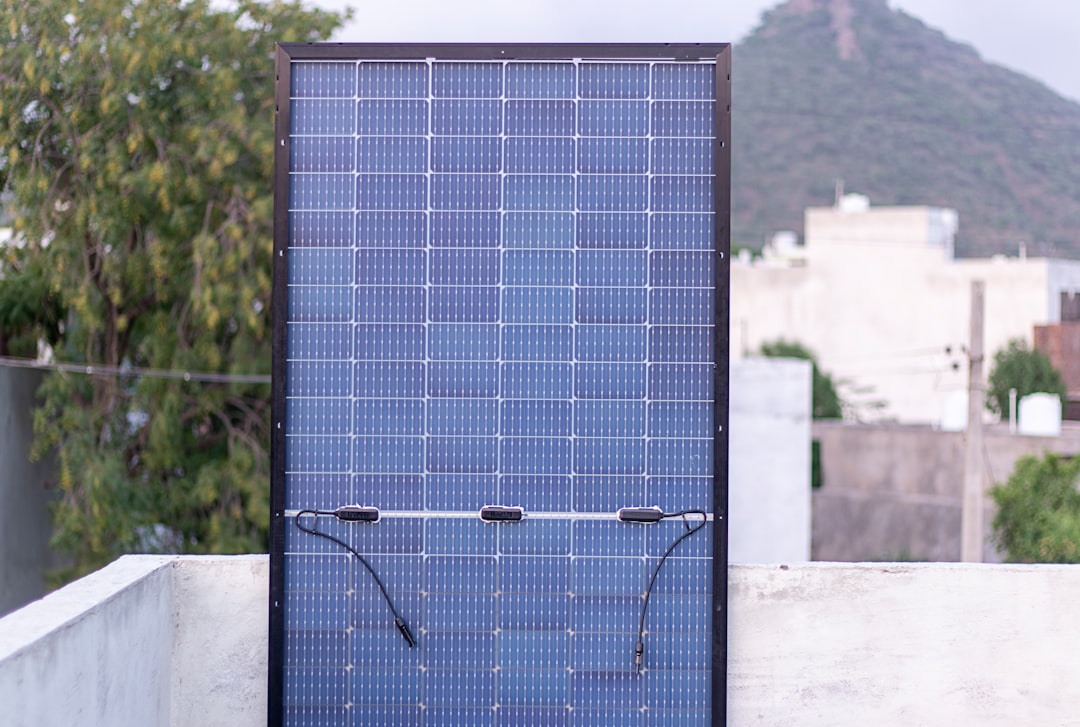
The escalating conflict with Iran is driving unprecedented acceleration in renewable energy deployment as nations confront the vulnerability of fossil fuel dependence, according to Bloomberg analysis showing energy security concerns increasingly align with climate action imperatives.
Countries heavily dependent on Middle East oil imports are fast-tracking solar and battery storage projects, recognizing that renewable energy infrastructure cannot be blockaded during geopolitical crises. The shift represents a rare convergence where national security interests accelerate rather than delay climate transition.
Energy analysts note that the conflict exposes strategic weaknesses in fossil fuel supply chains. Oil tanker routes through the Strait of Hormuz—which carries nearly one-third of global seaborne oil—face disruption risks. Solar panels and wind turbines, by contrast, generate power domestically, immune to supply chain attacks or maritime blockades.
European Union member states have announced emergency measures to accelerate renewable deployment, with Germany and Spain leading efforts to fast-track utility-scale solar and battery storage projects previously delayed by permitting processes. The European Commission estimates the conflict could advance the EU's renewable energy timeline by three to five years.
In climate policy, as across environmental challenges, urgency must meet solutions—science demands action, but despair achieves nothing. The tragic irony: conflict accelerates the energy transition that climate science has demanded for decades.
Japan and South Korea, heavily reliant on imported fossil fuels, have announced major battery storage investments to buffer against supply disruptions. Japan plans to double its battery storage capacity within 18 months, while South Korea is subsidizing residential solar-plus-storage installations at unprecedented levels.
Even oil-producing nations are accelerating diversification. Saudi Arabia and the United Arab Emirates, recognizing that regional instability threatens their primary export industry, have expanded already-ambitious solar deployment targets. Saudi Arabia's NEOM project has added 15 gigawatts of additional solar capacity to its plans.
Battery storage technology proves critical to the transition. Modern grid-scale batteries provide the resilience that fossil fuel advocates long claimed only traditional power plants could deliver. During recent grid stress events in California and Texas, battery systems provided rapid response that prevented blackouts.
Renewable energy costs make the transition economically rational even without security motivations. Solar and wind now represent the cheapest sources of new electricity generation in most global markets, according to the International Energy Agency. Energy security concerns simply accelerate investments that economics already favor.
Climate advocates emphasize that accelerated renewable deployment must include global equity considerations. Wealthy nations can afford rapid transitions; developing countries need financial and technological support to avoid locking in fossil fuel infrastructure during the current crisis.
The conflict also highlights renewable energy's advantage in distributed generation. Unlike centralized fossil fuel infrastructure vulnerable to military strikes—as Tehran's oil facilities demonstrated—distributed solar installations resist catastrophic disruption. Destroying a nation's energy system requires attacking thousands of rooftop installations rather than a few refineries.
Energy storage breakthroughs have accelerated alongside deployment. Battery costs have fallen 90% over the past decade, making renewable-plus-storage competitive with fossil fuels for baseload power. New battery chemistries promise further cost reductions and longer storage durations.
Industry analysts project the conflict could drive global battery manufacturing capacity expansion by 30% within two years, as nations prioritize domestic production for energy security. China currently dominates battery manufacturing, but United States, European, and Indian producers are scaling rapidly.
The transition carries climate benefits that extend beyond energy security. Every fossil fuel power plant replaced with renewable generation reduces greenhouse gas emissions and air pollution. The International Energy Agency estimates accelerated deployment could keep 1.5°C warming targets achievable if sustained.
Yet energy experts caution against complacency. Geopolitical crises create deployment urgency, but sustained political commitment determines whether emergency measures become permanent transitions. Previous oil shocks spurred temporary renewable investments that faded when prices stabilized.
The current moment differs in critical ways: renewable technology has matured, costs have plummeted, and climate science has established undeniable urgency. Energy security may provide the political catalyst, but economics and climate necessity ensure the transition's durability.