Panama has officially voided Chinese company CK Hutchison's contracts to operate key port terminals flanking the Panama Canal, transferring interim control to Danish shipping giant Maersk and Swiss-Italian firm MSC in a geopolitical realignment that marks a significant setback for Chinese influence in Latin America.
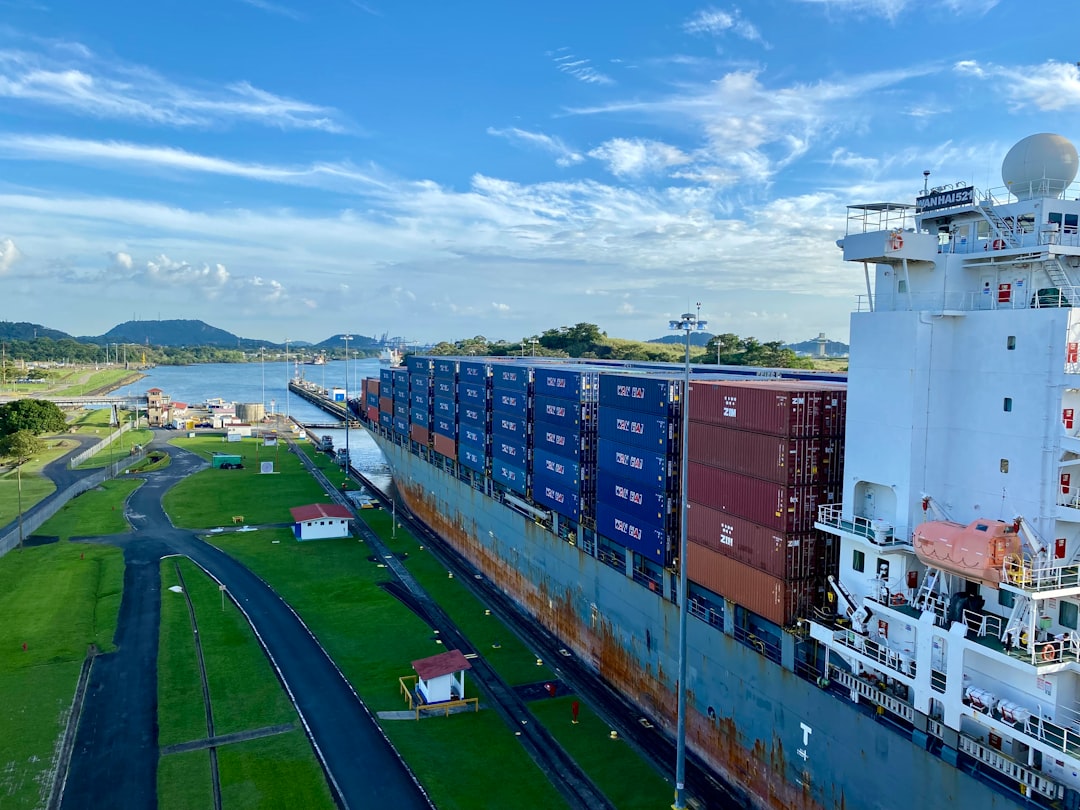
The decision, confirmed by Panama's Maritime Authority, terminates a 25-year concession that gave the Hong Kong-based conglomerate control over port facilities at both the Atlantic and Pacific entrances to one of global trade's most strategic chokepoints.
To understand today's headlines, we must look at yesterday's decisions. When Panama switched diplomatic recognition from Taipei to Beijing in 2017, it opened the door to massive Chinese infrastructure investment, including the port concessions. Those contracts became a flashpoint in US-China competition, with Washington viewing Chinese control of canal infrastructure as an unacceptable security risk.
The canal, through which approximately 6% of global commerce passes annually, remains one of the Western Hemisphere's most vital strategic assets. Any disruption to its operations reverberates through global supply chains, making control over its supporting infrastructure a matter of national security for the United States.
Panamanian President José Raúl Mulino justified the contract termination by citing operational failures and investment shortfalls by CK Hutchison, rather than explicitly framing the decision as geopolitical repositioning. "The company failed to meet its modernization commitments and allowed port infrastructure to deteriorate," the Maritime Authority stated in its announcement.
Yet the timing and choice of replacement operators signal clear strategic intent. Maersk and MSC, both closely aligned with Western supply chains and security interests, represent a significant shift from Chinese-linked management. The firms have committed to immediate infrastructure upgrades and expanded capacity to handle larger container vessels.
The decision arrives amid intensifying US pressure on Latin American nations to limit Chinese involvement in critical infrastructure. The Trump administration has made reversal of Chinese influence in the Western Hemisphere a priority, threatening economic consequences for nations that maintain deep ties to Beijing.
Chinese officials responded with predictable anger. Foreign Ministry spokesman Wang Wenbin called the contract cancellation "politically motivated discrimination against Chinese enterprises" and warned of "appropriate responses." Beijing has invested over $25 billion in Panama since 2017, including a copper mine, rail projects, and a bridge across the canal.
For Panama, the calculation involves weighing Chinese investment against the risks of alienating Washington. The United States remains Panama's largest trading partner and maintains significant influence over the dollar-based Panamanian economy. Washington has not publicly acknowledged whether economic inducements or threats influenced the port decision, but the correlation between American pressure and Panamanian policy shifts is difficult to ignore.
The contract cancellation also reflects growing Latin American skepticism toward Chinese infrastructure projects, which have frequently delivered less than promised. Ecuador, Peru, and Colombia have all experienced delays, cost overruns, and quality issues with Chinese-built projects, creating political backlash against Belt and Road Initiative participation.
CK Hutchison has indicated it will pursue arbitration under international commercial law, potentially claiming billions in damages for wrongful contract termination. These legal battles could extend for years, creating financial uncertainty for Panama even as it achieves its strategic objective of removing Chinese control.
From my reporting on Chinese infrastructure projects across Asia and Africa, I've observed a consistent pattern: initial enthusiasm for no-strings investment followed by concerns about debt dependence, operational control, and alignment with Chinese strategic interests. Panama is now experiencing the Latin American iteration of this dynamic.
The broader question is whether other Latin American nations will follow Panama's lead in reducing Chinese infrastructure involvement, or whether Beijing will respond with economic pressure that makes such decisions prohibitively expensive. The canal port decision represents a test case for how much leverage the United States retains in its traditional sphere of influence.
For global shipping companies, the immediate concern is operational continuity. Maersk and MSC have assured clients that port services will continue without interruption during the transition, but industry observers expect some short-term disruptions as management changes and new systems are implemented.
The geopolitical implications, however, will reverberate far beyond shipping logistics. Panama's decision signals that Chinese infrastructure investments—once seen as inevitable and irreversible—can be challenged when nations reassess their strategic priorities under external pressure. That precedent may prove more significant than the canal contract itself.