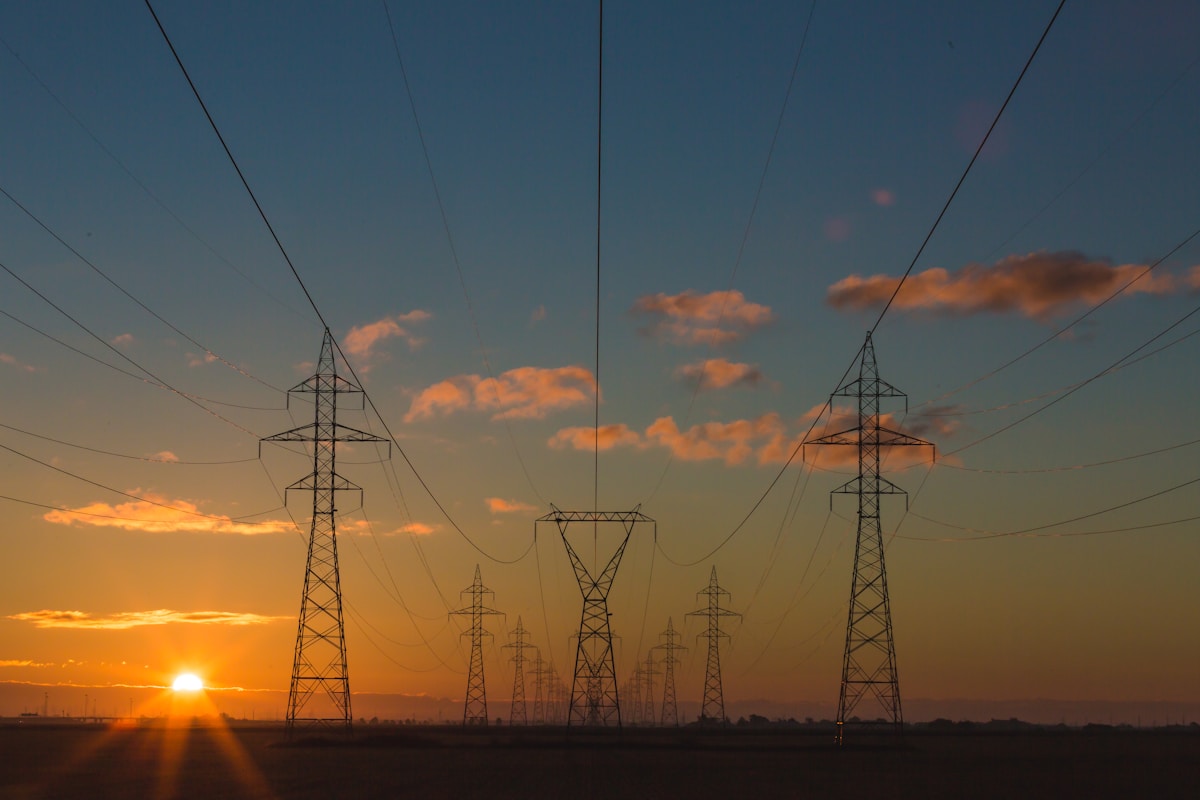
Russian forces launched a devastating assault on Ukraine's energy infrastructure on Monday night, leaving over 105,000 homes without heating in freezing temperatures just hours after Donald Trump announced a pause in peace negotiations.
The strikes targeted power facilities across multiple regions, with Kharkiv bearing the brunt of the assault. Local authorities declared a state of emergency as temperatures plunged to minus 10 degrees Celsius, according to Gwara Media.
"We're sleeping in our winter coats, with hot water bottles," said Olena Petrenko, a Kyiv resident whose building lost power during the overnight attack. "But we've survived worse. This is Russia's answer to peace talks—they escalate when they sense negotiations."
The timing of the assault underscores a familiar pattern: Moscow intensifies military pressure ahead of diplomatic engagement. Trump's announcement that he was halting scheduled talks with Ukraine and Russia came just hours before the missiles fell, CBS News reported.
In Ukraine, as across nations defending their sovereignty, resilience is not just survival—it's determination to build a better future. Even as Kyiv residents endured another night of air raid sirens and power cuts, government officials continued advancing EU membership negotiations and planning infrastructure reconstruction.
The attack also revealed the effectiveness of Ukraine's evolving air defense systems. The 3rd Army Corps reported downing 33 Shahed-type drones overnight—nearly half using domestically produced Wild Hornets STING interceptors. The layered, multi-echelon defense prevented many drones from reaching urban centers in the east.
"The STING system represents our innovative response to a war of attrition," explained military analyst Mykola Bielieskov of the National Institute for Strategic Studies. "While we negotiate for Western long-range systems, we're developing cost-effective solutions to protect our cities."
But innovation cannot fully compensate for scale. Russia continues to produce missiles and drones faster than Ukraine can intercept them, systematically degrading the energy grid that survived the winter of 2022-2023. Energy workers have become frontline defenders, rushing to repair facilities under fire.
In Kharkiv, emergency crews worked through sub-zero temperatures to restore heating to hospitals and residential buildings. The city, which lies just 40 kilometers from the Russian border, has endured relentless bombardment throughout the war. Municipal authorities prioritized vulnerable populations—elderly residents, families with young children, and medical facilities.
The strikes also targeted energy infrastructure in Dnipro, Zaporizhzhia, and Odesa, indicating a coordinated campaign to maximize humanitarian impact. Russia has consistently denied targeting civilian infrastructure, despite overwhelming evidence documented by international observers.
Trump's decision to pause talks adds uncertainty to Ukraine's diplomatic strategy. While the former president promised to negotiate an end to the war "within 24 hours" during his campaign, the reality of Russia's maximalist demands has complicated those ambitions. Moscow continues to insist on territorial concessions that Kyiv categorically rejects.
For Ukrainian civilians enduring another winter of attacks, the diplomatic maneuvering feels distant from their daily reality. Petrenko, the Kyiv resident, reflected a common sentiment: "Let them talk or not talk—we'll keep living, keep working, keep defending our home. That's what Russia doesn't understand. You can't freeze us into submission."
As dawn broke over Kharkiv on Tuesday, repair crews continued their work. The emergency declaration enables faster resource allocation and coordination between regional and national authorities. But the fundamental vulnerability remains: without comprehensive air defense coverage, Ukraine's energy infrastructure remains exposed to sustained attack.
The international community's response will prove critical in coming weeks. NATO allies continue to provide air defense systems, but Ukraine requires significantly more interceptors and batteries to protect its entire territory. The gap between diplomatic rhetoric and material support grows more consequential with each passing winter day.