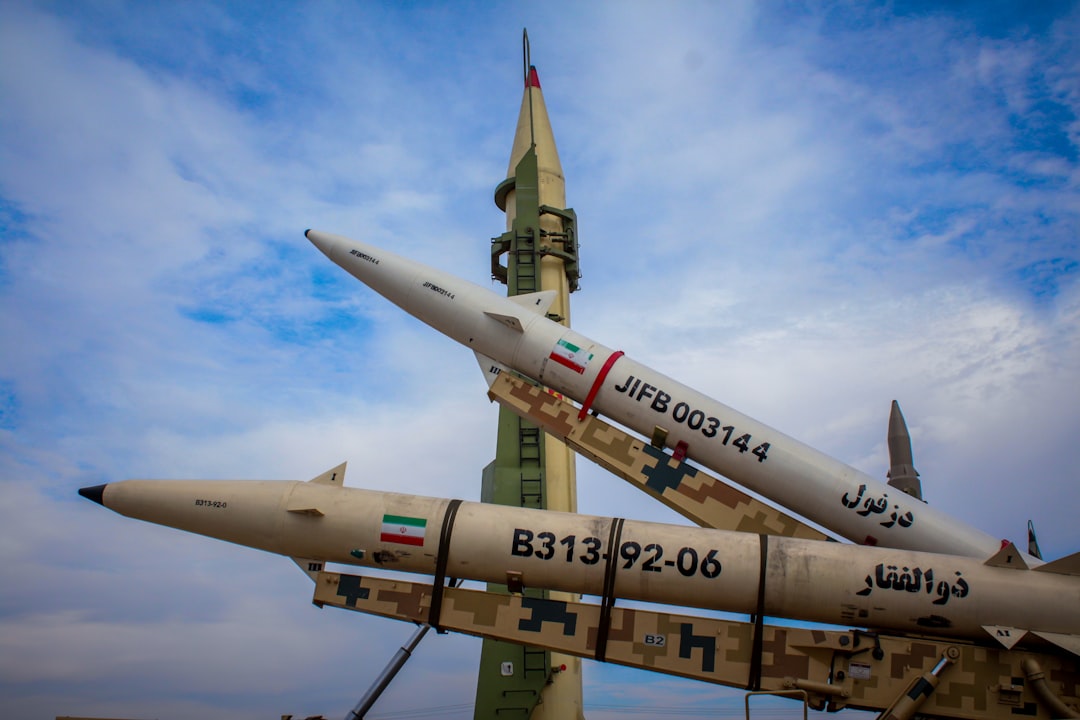

Russia unleashed its largest munitions barrage in weeks against Ukraine on Tuesday, deploying 71 missiles and 450 drones in a massive overnight assault that targeted civilian energy infrastructure and left thousands without power during sub-zero temperatures.
The strikes, which hit 27 locations across the country, marked the highest missile count for a single night since April 24 and the largest combined attack since December 27. Ukrainian air defenses managed to intercept 38 missiles and 412 drones, but 27 missiles and 31 drones penetrated defenses, according to Ukraine's air force.
To understand today's headlines, we must look at yesterday's decisions. The timing of this assault is particularly significant: it came just hours before trilateral negotiations involving the United States, Russia, and Ukraine were scheduled to resume in the United Arab Emirates on February 4.
Energy Infrastructure Under Siege
"The targets were not military. They were exclusively civilian," stated Ukrainian Energy Minister Denys Shmyhal. Thermal power plants supplying Kyiv, Kharkiv, and Dnipro bore the brunt of the assault.
DTEK, Ukraine's largest private energy company, reported "significant" damage to its facilities—the ninth massive attack on its thermal stations since October 2025. Emergency power outages were implemented across Kyiv's districts, with additional damage reported in Odesa. At least nine people were injured in the attacks.
The assault occurred despite a brief pause on energy infrastructure strikes that US President Donald Trump had requested and Moscow temporarily observed. Russia announced the pause expired Sunday, setting the stage for Tuesday's devastating barrage.
Diplomatic Credibility on the Line
The attacks raise serious questions about Russia's commitment to good-faith negotiations. President Volodymyr Zelenskyy accused Moscow of taking "advantage" of the pause to stockpile weapons for deployment during the coldest period of winter, when temperatures dropped to minus 14 degrees Fahrenheit in some regions.
Zelenskyy indicated that Ukraine would adjust its negotiating approach in light of the assault, urging allies to apply "maximum pressure" on Russia. The attack effectively tests the credibility of US-brokered diplomatic initiatives—a pause that Moscow honored briefly before resuming strikes with unprecedented intensity.
NATO jets scrambled in response to the attacks, underscoring the broader alliance implications of Russia's actions.
Humanitarian Crisis Deepens
For Ukrainian civilians, the assault compounds an already dire humanitarian situation. State energy company Ukrenergo reported widespread outages across multiple regions and damaged facilities at a time when reliable heating and electricity are essential for survival.
The systematic targeting of civilian energy infrastructure—a pattern that has intensified since October 2025—represents a calculated strategy to break Ukrainian morale through deprivation during winter months. According to ABC News, the scale and timing of these attacks demonstrate Moscow's willingness to weaponize civilian suffering as negotiations approach.
As talks resume in the UAE, the smoldering remains of Ukrainian power plants will serve as a stark reminder that without credible enforcement mechanisms, diplomatic pauses may simply provide Russia time to reload.