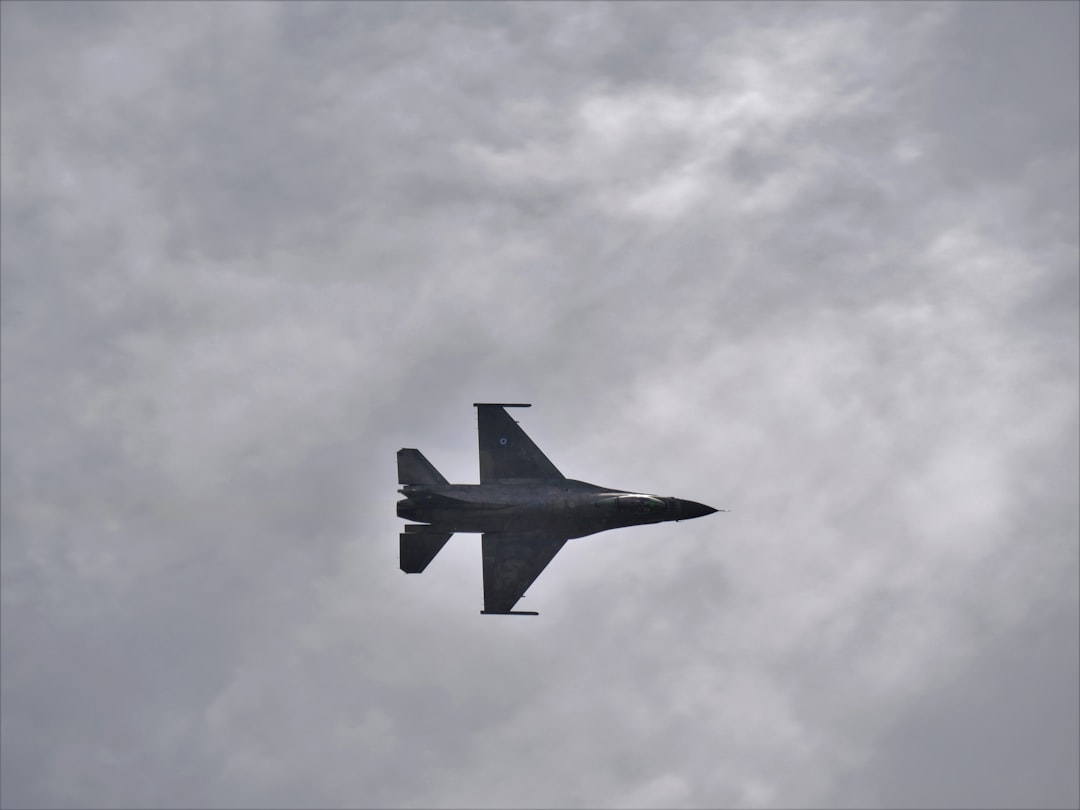

Iranian drones and missiles struck near Nakhchivan airport in Azerbaijan Wednesday, injuring two civilians and marking a dangerous expansion of the US-Iran confrontation beyond the immediate Persian Gulf theater.
The attack on Nakhchivan, an Azerbaijani exclave bordered by Iran, Armenia, and Turkey, represents the first confirmed Iranian strikes on a third-party nation since the current crisis began. Baku, which maintains close ties to both Israel and Turkey, now finds itself directly in the crossfire of a conflict it has sought to avoid.
According to Iran International, citing Azerbaijani officials and Reuters reporting, at least two drones and multiple missile fragments fell near civilian infrastructure at the airport. Two airport workers sustained injuries from shrapnel, though neither suffered life-threatening wounds. Several commercial flights were diverted or canceled following the incident.
To understand today's headlines, we must look at yesterday's decisions. Azerbaijan's relationship with Israel has long irritated Tehran. Baku purchases significant Israeli military equipment and has been accused by Iranian officials of allowing Israeli intelligence operations from Azerbaijani territory. Though Baku denies such accusations, the perception in Tehran has made Azerbaijan a potential target as the Iran crisis escalated.
The strikes raise immediate questions about intentionality. Iranian officials have not commented on the incident, leaving unclear whether the airport was deliberately targeted, whether the strikes represented misdirected fire intended for other targets, or whether they constituted a warning to Baku against supporting Israeli or American operations.
Azerbaijan summoned the Iranian Ambassador Wednesday evening to demand explanation and guarantees against future incidents. President Ilham Aliyev convened an emergency security council meeting, though Baku has been notably restrained in its public response, suggesting a desire to avoid escalation despite the violation of its territorial integrity.
The Nakhchivan incident demonstrates how the US-Iran confrontation risks destabilizing the broader Caucasus region. Turkey, which shares a border with Nakhchivan and maintains a defense agreement with Azerbaijan, faces pressure to respond. However, Ankara has its own complex relationship with Tehran and has studiously avoided taking sides in the current crisis.
Russian interests in the Caucasus further complicate the situation. Moscow maintains peacekeeping forces in the region following the 2020 Nagorno-Karabakh war and views the area as within its sphere of influence. Russian officials have called for de-escalation while warning against any actions that might threaten regional stability, a formulation that implicitly criticizes both Iranian strikes and potential Azerbaijani retaliation.
The expansion of conflict into the Caucasus echoes historical patterns. During the Iran-Iraq war of the 1980s, the conflict similarly spilled beyond the immediate combatants as both sides struck targets in neutral countries. The difference today is the involvement of multiple major powers with interests in the affected regions, raising the risk that localized incidents could trigger broader confrontations.
Israeli officials, speaking on background, suggested the Iranian strikes on Azerbaijan might represent retaliation for Baku's alleged facilitation of intelligence gathering. Israel has not confirmed conducting operations from Azerbaijani territory, but regional security experts have long assumed such cooperation exists given the strategic advantages Azerbaijan's location provides.
Armenia, Azerbaijan's historic rival, has remained conspicuously silent on the incident. Yerevan maintains closer ties to Iran than Baku does and may view Azerbaijani difficulties as diminishing a competitor. However, any broader regional instability ultimately threatens Armenian interests as well.
The incident at Nakhchivan airport represents precisely the kind of conflict expansion that regional diplomats have feared. Once hostilities begin, maintaining geographic containment becomes increasingly difficult as belligerents strike perceived enemy assets wherever located, regardless of the sovereignty of the territory involved.
For Azerbaijan, the strikes present a dilemma. Forceful retaliation risks drawing Baku deeper into a conflict it has no interest in joining. Yet failing to respond could invite further violations and suggest weakness. The most likely outcome is continued diplomatic protest combined with enhanced air defenses, while hoping that neither Tehran nor other parties view Azerbaijani territory as a permissible arena for their disputes.